

 English
 Español
 日本語
日本語 عربى
عربى русский
-
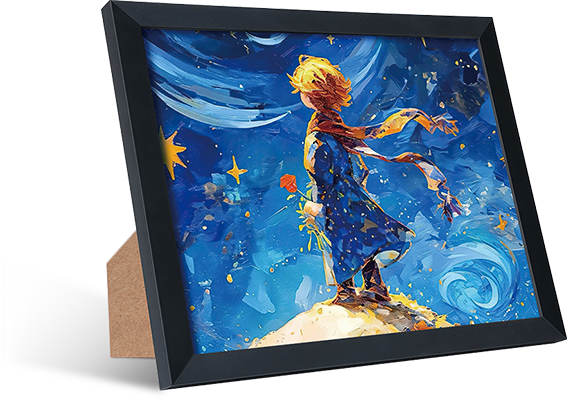
PVC Picture Frame
Sold by brand JinHuan
-
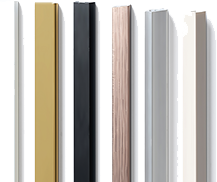
PVC Moulding
Sold by brand JinHuan
-
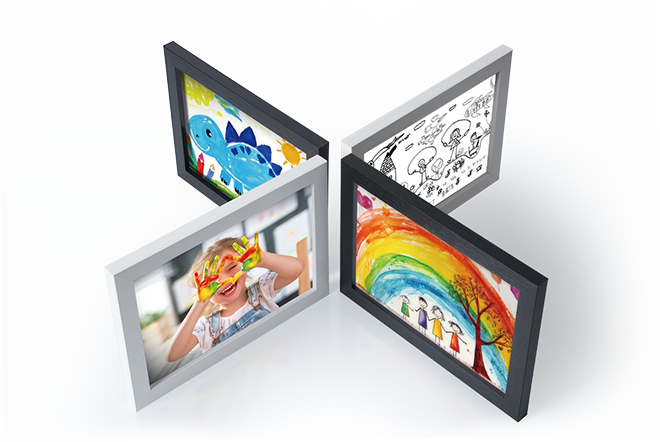
MDF Picture Frame
Sold by brand JinHuan
-
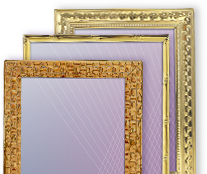
Iron Photo Frame
Sold by brand JinHuan
-
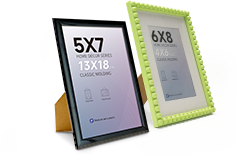
Plastic Injection Frame
Sold by brand JinHuan
-
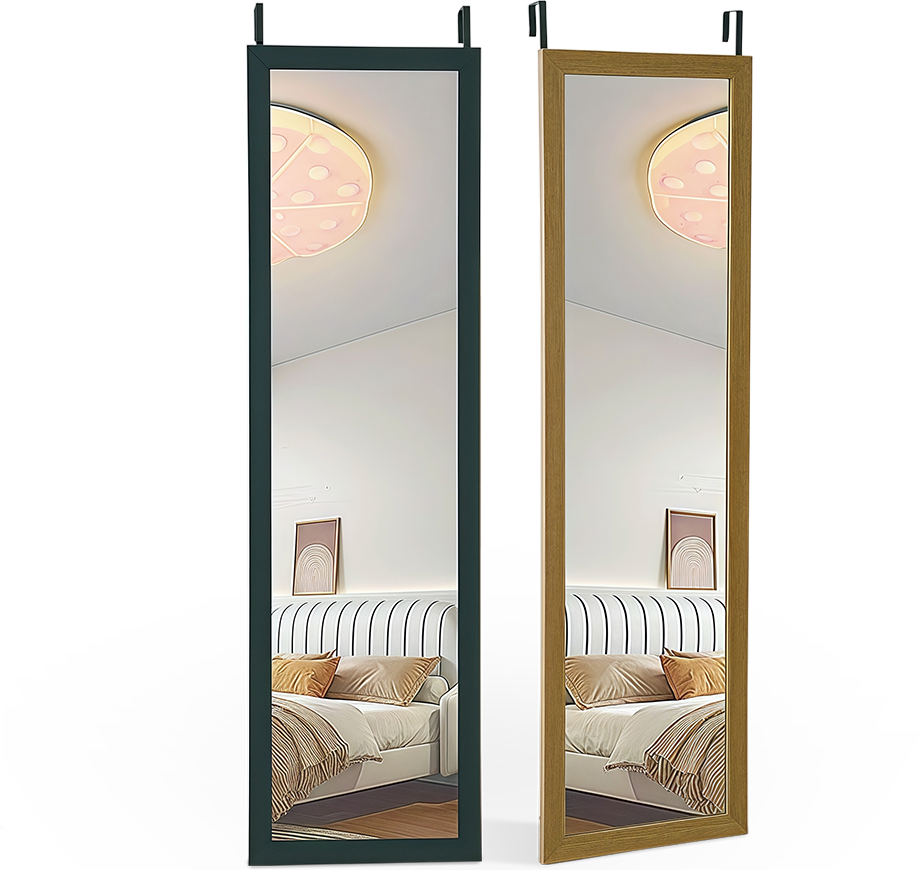
Mirror
Sold by brand JinHuan
-
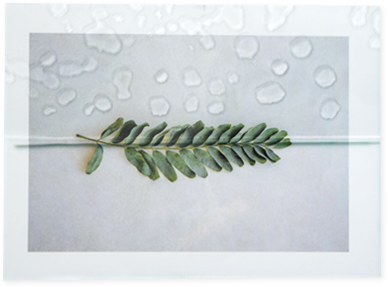
Glass Picture Frame
Sold by brand JinHuan
-
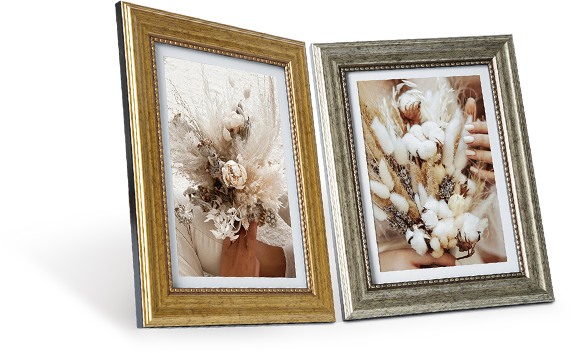
PS Picture Frame
Sold by brand JinHuan
-
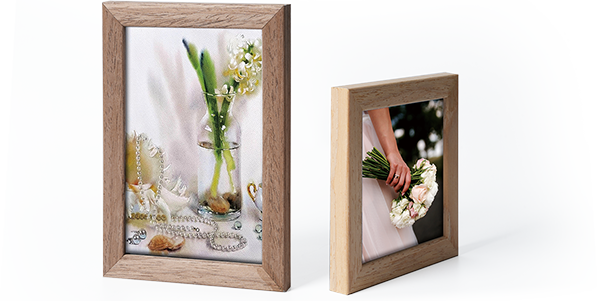
Solid Wood Picture Frame
Sold by brand JinHuan
-
Aluminum Alloy Picture Frame.
Sold by brand JinHuan
Are Glass Photo Frames Safe for Homes with Children?

Jinhuan's professional manufacturing solutions empower your premium product production.
Glass photo frames can pose a risk if broken, as shards can cause injury.
Key safety considerations include:
Use of tempered glass: Tempered glass is stronger than ordinary glass and breaks into small, less sharp pieces, reducing injury risk.
Frame stability: Secure placement on stable surfaces reduces the chance of falling.
Corner protection: Some frames include corner protectors or rounded edges to reduce injury risk.
Alternative materials: For homes with young children, acrylic or shatterproof frames may be safer options.
While glass frames are generally safe when properly handled and placed, choosing tempered glass or shatterproof alternatives can improve safety in high-risk environments.
How Durable Are Glass Photo Frames?
Durability is a common concern due to the fragile nature of glass. While glass provides clarity and scratch resistance, it can break under impact or if dropped.
Tempered vs. regular glass: Tempered glass offers higher impact resistance and is less likely to break from minor impacts.
Frame construction: Frames with sturdy backing and secure clasps are less likely to loosen or break.
Proper handling: Avoid placing frames in high-traffic areas or on unstable surfaces.
Glass frames can be durable when made with high-quality materials and handled carefully, but they remain more fragile than plastic or acrylic options.
What Is the Environmental Impact of Glass Photo Frames?
Environmental impact is an increasing concern as consumers focus on sustainable materials and waste reduction. Glass frames have both advantages and limitations in this area.
- Recyclability: Glass is highly recyclable and can be recycled multiple times without loss of quality.
- Energy consumption: Glass production requires high-temperature processes, which consume significant energy.
- Longevity: Glass frames can last for many years, reducing the need for frequent replacement and lowering overall environmental impact.
- Packaging and transport: Glass is heavier than plastic, which can increase shipping energy and costs.
Glass frames can be environmentally favorable when recycled and used long-term, but the production and transport energy should be considered.
What Are the Latest Design Trends in Glass Photo Frames?
Design trends influence consumer choices, and many people are interested in modern, minimalist, and customizable options. Glass frames are adapting to these trends through different styles and features.
- Floating frames: These frames create a “floating” effect by sandwiching the photo between two glass panels, offering a contemporary look.
- Slim and frameless designs: Minimalist frames with thin borders or frameless glass offer a clean, modern aesthetic.
- Custom engraving: Some glass frames can be engraved with names, dates, or messages, adding a personal touch.
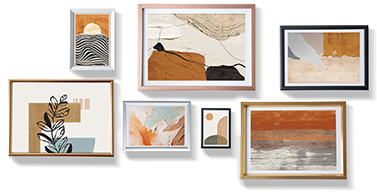
- Multi-photo and collage frames: These frames support multiple photos and are popular for family displays and gifts.
Consumers can choose frames based on decor style, personal preferences, and the intended display environment.
Glass photo frames remain a popular choice due to their clarity, elegance, and ability to protect photos. Public concerns about safety, durability, environmental impact, and design trends are valid and can be addressed through careful selection and proper use. Choosing tempered glass, placing frames securely, and selecting long-lasting designs can improve safety and sustainability. With a growing variety of styles, glass photo frames continue to offer a versatile and attractive option for displaying memories and important documents.
Your email address will not be published. Required fields are marked *
China Picture Frames Online Factory
Copyright © JinHuan Art & Craft Products Co., Ltd. All Rights Reserved.
