

 English
 Español
 日本語
日本語 عربى
عربى русский
-
PVC Picture Frame
Sold by brand JinHuan

-
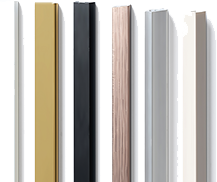
PVC Moulding
Sold by brand JinHuan
-
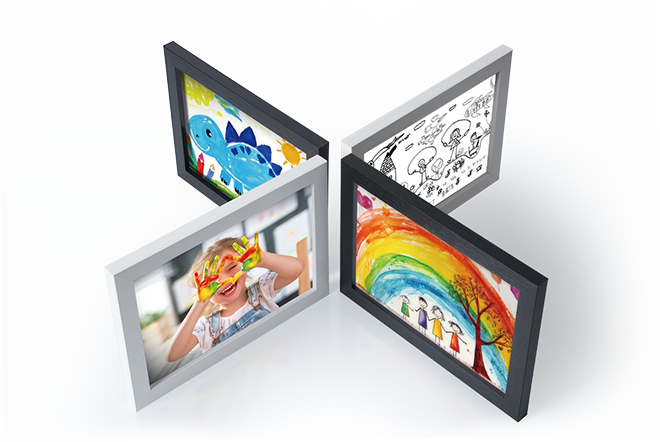
MDF Picture Frame
Sold by brand JinHuan
-
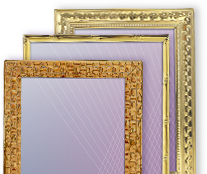
Iron Photo Frame
Sold by brand JinHuan
-
Plastic Injection Frame
Sold by brand JinHuan

-
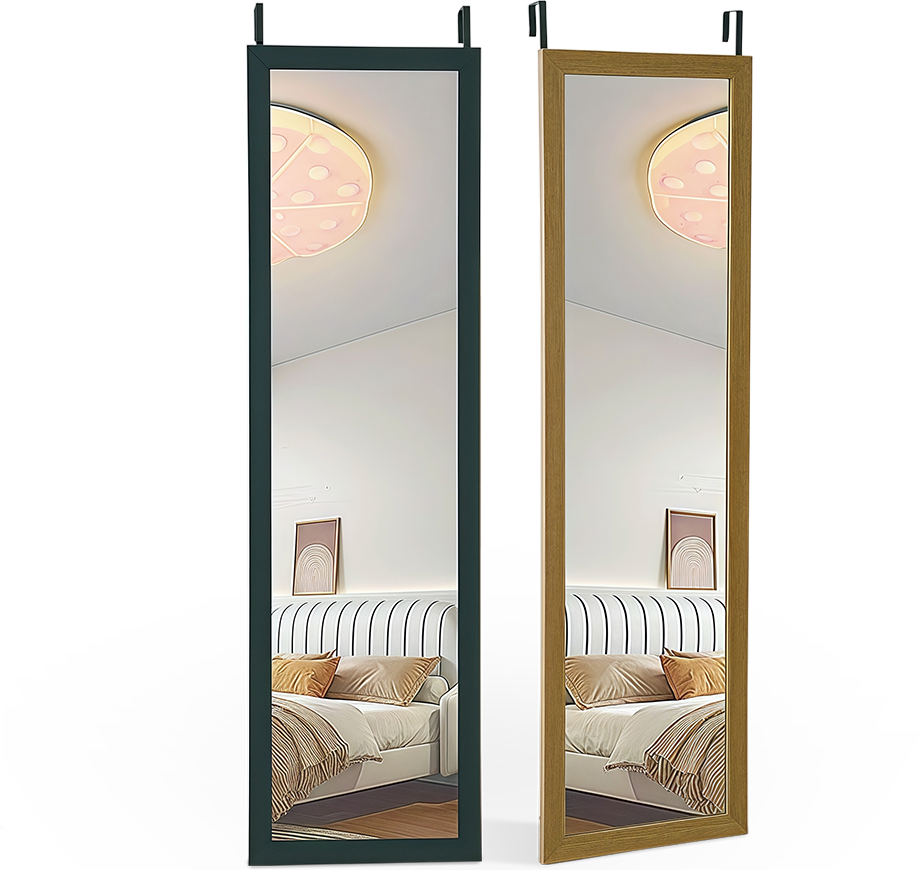
Mirror
Sold by brand JinHuan
-
Glass Picture Frame
Sold by brand JinHuan

-
PS Picture Frame
Sold by brand JinHuan

-
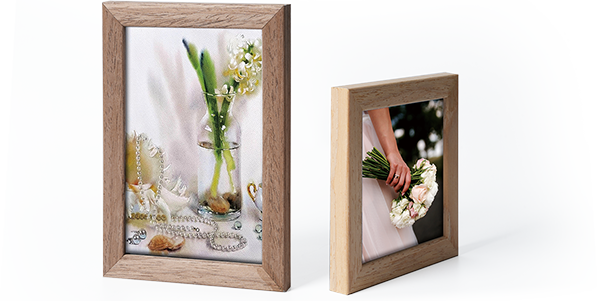
Solid Wood Picture Frame
Sold by brand JinHuan
-
Aluminum Alloy Picture Frame.
Sold by brand JinHuan

Can PS Frame Manufacturers Achieve Premium Look Quality

Jinhuan's professional manufacturing solutions empower your premium product production.
PS Photo Frame Manufacturer products have expanded rapidly in global décor supply chains, largely because polystyrene moulding can replicate wood, metal, and painted finishes at relatively low production cost. Yet a persistent question remains in the framing industry: whether PS-based frames can genuinely reach a premium visual standard, or whether they always stay in a budget category.
The answer depends less on raw material identity and more on how surface engineering, molding precision, and coating systems are controlled during production. Modern PS systems are no longer simple foam profiles; they are engineered composites designed to simulate higher-end materials with surprising accuracy.
Injection molding precision defines the base quality
The visual quality of a PS frame begins at the molding stage. High-impact polystyrene (HIPS) is typically processed through injection molding under tightly controlled conditions, where temperature, pressure, and cooling cycles determine the structural sharpness of the frame profile.
Key production parameters often include:
- Injection temperature range: around 200°C–240°C
- Mold pressure: approximately 500–1,500 bar
- Cooling cycle: 15–25 seconds depending on profile thickness
- Density range: roughly 1.04–1.06 g/cm³ for stable rigidity
Manufacturers focusing on higher-end positioning prioritize uniform wall thickness and precise corner geometry. Uneven cooling or poor mold design can produce sink marks or weld lines, which immediately reduce perceived quality even before surface finishing begins.
A well-calibrated molding system allows PS frame profiles to maintain clean edges, which is essential for achieving a refined appearance after coating.
Surface coating systems determine visual class
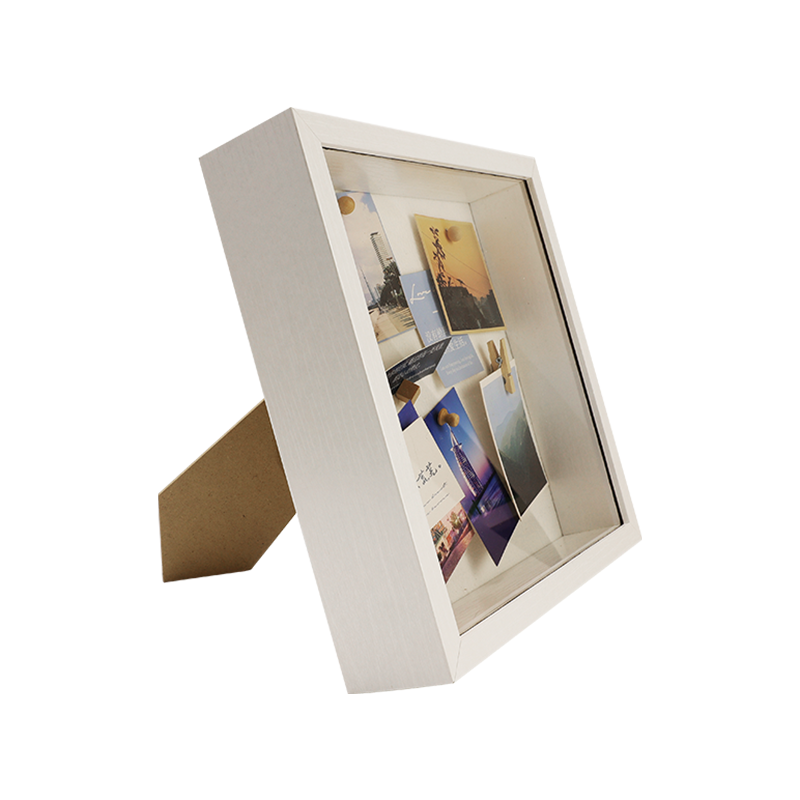
The most important factor in creating a premium appearance is not the base PS material but the coating layer applied on top of it. Modern PS Photo Frame Manufacturer production lines rely heavily on multilayer surface treatments to simulate wood grain, metallic textures, or matte architectural finishes.
Common coating structures include:
- Primer layer for surface sealing and adhesion stability
- Decorative film or foil layer for pattern replication
- UV-resistant topcoat for gloss control and aging resistance
UV-stable coatings can significantly slow down yellowing and fading, especially in frames exposed to indirect sunlight. Without this protection, surface clarity tends to decline within months under bright indoor conditions.
Premium-looking PS frames often rely on multi-pass coating systems that build depth perception rather than flat coloration, making the surface appear closer to lacquered wood or anodized metal.
Texture replication has improved significantly
Earlier generations of PS frames struggled with visible artificial patterns. Modern production has improved dramatically due to high-resolution embossing rollers and digital surface imprinting systems.
Typical enhancements include:
- Deep wood-grain embossing with randomized pattern flow
- Metallic foil layering that mimics brushed aluminum reflection
- Matte-satin hybrid finishes for soft light diffusion
- Micro-texture layering to reduce plastic glare
These techniques allow PVC Pictures Frame and PS-based systems to visually converge toward natural materials under normal viewing distances.
However, under close inspection or harsh directional lighting, differences in surface depth and reflectivity can still be detected compared to real wood or Aluminum Alloy Photo Frame finishes.
Structural consistency supports higher-end positioning
Premium appearance is not only about surface decoration but also about geometric consistency. PS frames benefit from highly repeatable injection molding, which helps maintain identical dimensions across production batches.
Advantages include:
- Stable cross-section profiles with minimal warping
- Predictable corner angles for tight frame assembly
- Lightweight structure reducing installation stress
- Moisture resistance preventing long-term deformation
Industry manufacturing references highlight that PS mouldings maintain shape stability across varying humidity conditions due to low water absorption and synthetic polymer structure .
This consistency helps manufacturers deliver uniform product lines, which is essential for commercial framing projects and retail collections.
Where premium perception still faces limits
Even with advanced manufacturing, certain physical properties of PS material still influence perception.
Common constraints include:
- Lower surface hardness compared with metal or hardwood
- Susceptibility to micro-scratches over time
- Slight hollow sound during handling, affecting tactile impression
- Reduced depth perception compared to natural grain materials
These factors do not affect functionality but influence how users emotionally interpret quality. Premium perception is often a combination of visual depth, tactile feedback, and weight—areas where PS still differs from traditional materials.
Compared with Aluminum Alloy Photo Frame products, PS frames rely more on visual imitation than intrinsic material presence.
Market positioning and design strategy
PS frame manufacturers aiming for premium positioning often focus on design rather than material transformation. Instead of competing directly with wood or metal, they reposition PS as a flexible design platform.
Common strategies include:
- Minimalist ultra-slim profiles for modern interiors
- Metallic-look finishes targeting architectural décor markets
- Gift-oriented compact frames with high gloss detailing
- Coordinated frame collections for retail branding consistency
This approach allows PS products to occupy a “design-first” category where aesthetics matter more than material authenticity.
Real-world application performance
In practical use environments, PS frames perform well in controlled indoor spaces such as:
- Residential wall décor
- Retail display systems
- Wedding and event photography presentation
- Commercial poster framing
Manufacturing improvements have made PS mouldings widely accepted in commercial supply chains due to their lightweight structure, moisture resistance, and cost efficiency .
When paired with high-quality printing and proper lighting, the visual gap between PS and higher-end materials becomes significantly reduced at normal viewing distance.
Your email address will not be published. Required fields are marked *
China Picture Frames Online Factory
Copyright © JinHuan Art & Craft Products Co., Ltd. All Rights Reserved.
