

 English
 Español
 日本語
日本語 عربى
عربى русский
-
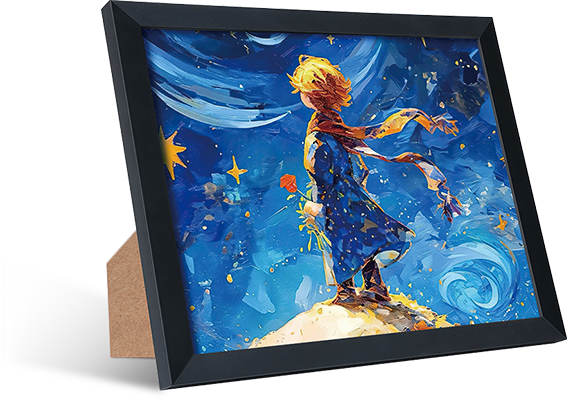
PVC Picture Frame
Sold by brand JinHuan
-
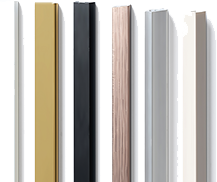
PVC Moulding
Sold by brand JinHuan
-
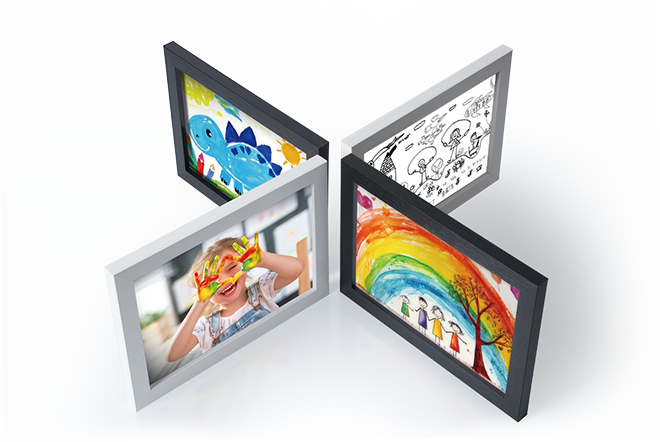
MDF Picture Frame
Sold by brand JinHuan
-
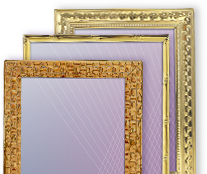
Iron Photo Frame
Sold by brand JinHuan
-
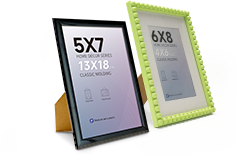
Plastic Injection Frame
Sold by brand JinHuan
-
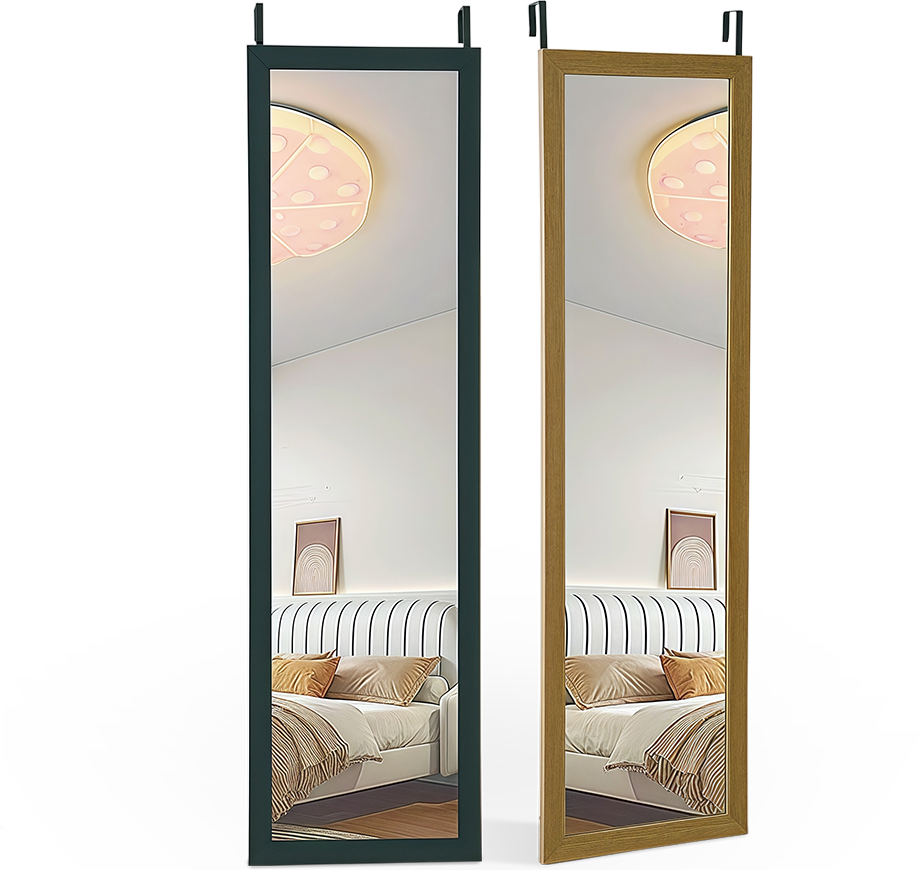
Mirror
Sold by brand JinHuan
-
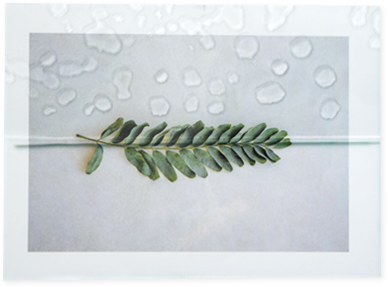
Glass Picture Frame
Sold by brand JinHuan
-
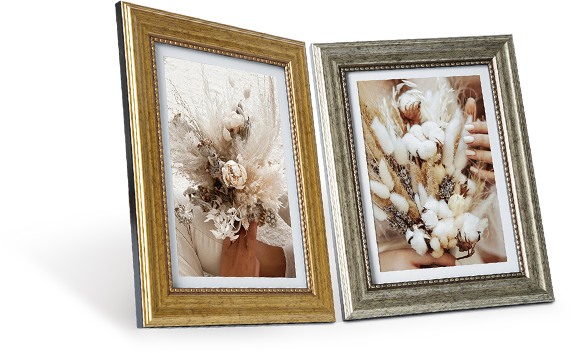
PS Picture Frame
Sold by brand JinHuan
-
Solid Wood Picture Frame
Sold by brand JinHuan
-
Aluminum Alloy Picture Frame.
Sold by brand JinHuan
How to Choose a Transparent Glass Photo Frame?

Jinhuan's professional manufacturing solutions empower your premium product production.
Selecting a transparent glass photo frame involves more than just picking a size. It is a decision that influences how an image is presented, protected, and integrated into a space. These frames, valued for their minimalist appeal, require careful consideration of several factors to ensure they enhance the photograph effectively. The process can be broken down into key areas: understanding the material qualities, evaluating the construction and design, and considering the practical aspects of placement and purpose.
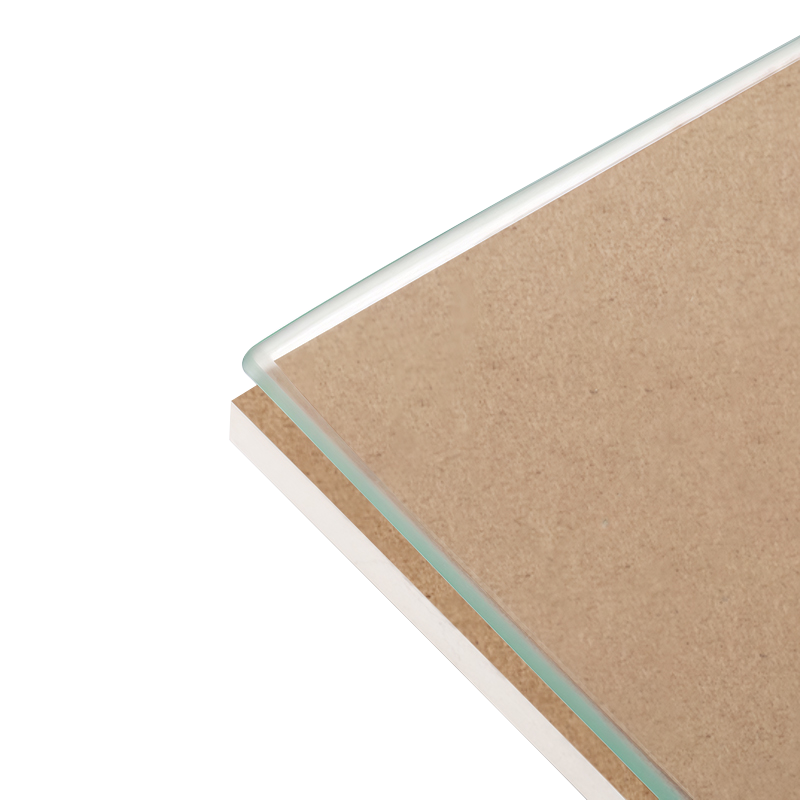
The point of evaluation is the material itself, specifically the type of glass and its properties. Standard clear glass is a common and cost-effective option. It provides a bright, clear view of the photograph but can produce significant glare under strong lighting and is relatively heavy, especially for larger sizes. A preferred alternative for many is anti-reflective or non-glare glass. This material undergoes a treatment that minimizes light reflection, offering a clearer view of the image from various angles without distracting shiny spots. While more expensive, it is highly beneficial for frames placed opposite windows or under bright lights. The third option is acrylic. Though not glass, it serves a similar transparent purpose while being significantly lighter and more shatter-resistant. This makes it an ideal choice for children's rooms, high-traffic areas, or for shipping artwork. However, it is more prone to scratching than glass. The choice between these materials balances priorities: clarity, weight, safety, and cost.
The second area of focus is the frame’s construction and design. Despite the focus on transparency, the border—often a minimal metal or clear plastic channel—plays a crucial role. Its color and finish should be chosen to complement both the photograph and its future surroundings. A slim silver or black border can define the edge without being intrusive, while a clear border creates a truly frameless illusion. The security of the backing system is equally important. A well-constructed frame will have a sturdy backing board secured firmly with clips or points, ensuring the photograph and glass are held tightly in place. This prevents dust and moisture from entering and keeps the image from slipping. Furthermore, the hanging mechanism should be robust and appropriate for the frame’s weight. For larger glass frames, a wire between two secure D-rings is safer than a simple sawtooth hanger, providing stability and preventing accidents.
Practical considerations regarding the frame’s intended use are essential. The size of the frame must be chosen in relation to the photograph and the wall space. A very large, transparent frame can make a powerful statement but requires ample blank wall space to avoid looking cluttered. The placement location directly influences the material choice, as previously discussed. A frame intended for a sunny living room benefits from non-glare glass, while a lightweight acrylic frame might be better for a nursery. The style of the photograph also guides the selection. Modern, high-contrast images often suit the clean look of a transparent frame, while vintage photographs might be better complemented by a different style. Ultimately, the goal is to choose a frame that feels secure, displays the image clearly without distractions, and harmonizes with the room’s decor. By methodically considering the material, construction, and purpose, one can select a transparent frame that showcases a memory with elegance and clarity.
Your email address will not be published. Required fields are marked *
China Picture Frames Online Factory
Copyright © JinHuan Art & Craft Products Co., Ltd. All Rights Reserved.
