

 English
 Español
 日本語
日本語 عربى
عربى русский
-
PVC Picture Frame
Sold by brand JinHuan

-
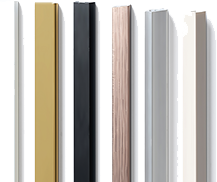
PVC Moulding
Sold by brand JinHuan
-
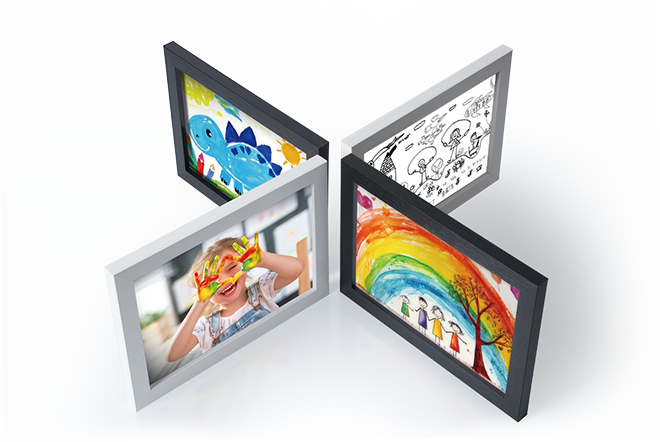
MDF Picture Frame
Sold by brand JinHuan
-
Iron Photo Frame
Sold by brand JinHuan

-
Plastic Injection Frame
Sold by brand JinHuan

-
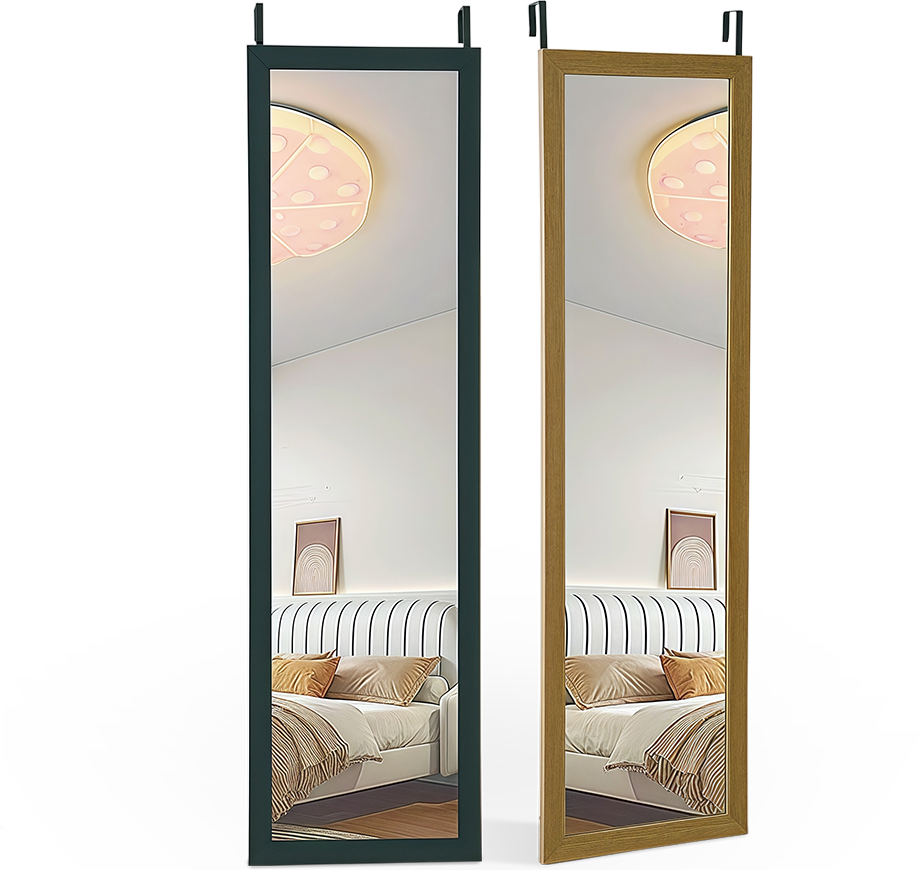
Mirror
Sold by brand JinHuan
-
Glass Picture Frame
Sold by brand JinHuan

-
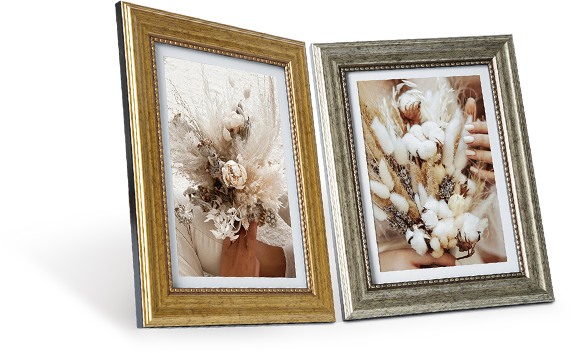
PS Picture Frame
Sold by brand JinHuan
-
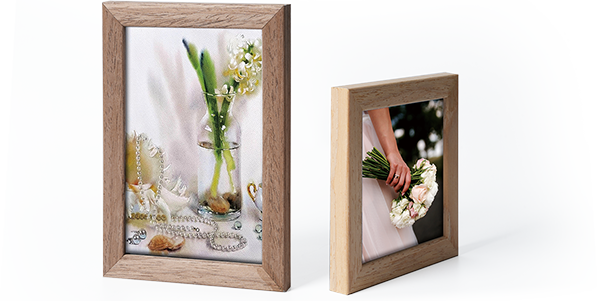
Solid Wood Picture Frame
Sold by brand JinHuan
-
Aluminum Alloy Picture Frame.
Sold by brand JinHuan

How to Choose Collage Frames?

Jinhuan's professional manufacturing solutions empower your premium product production.
What Size and Orientation Are Suitable?
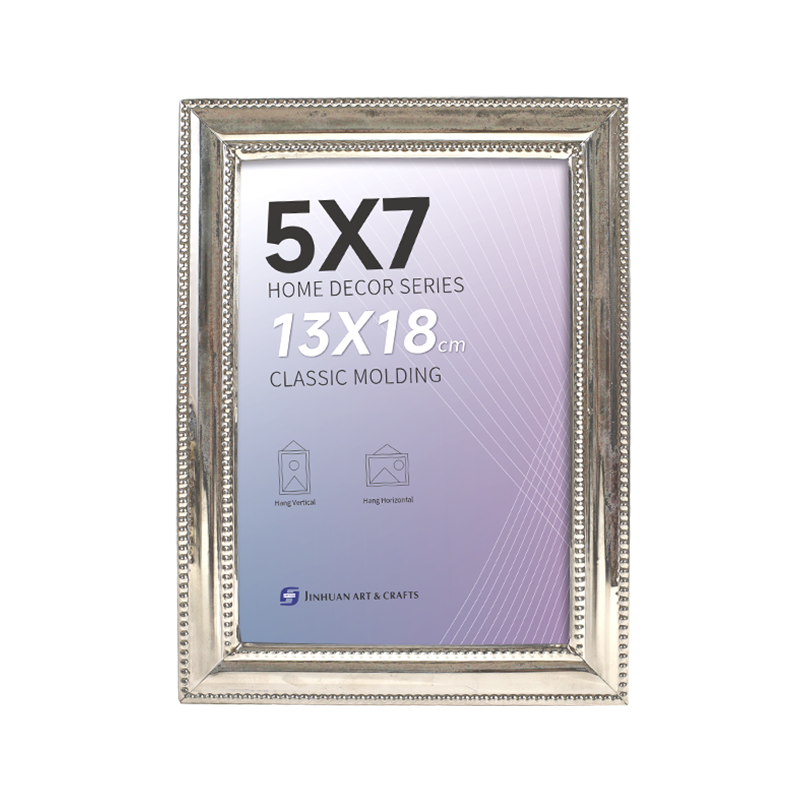
The size and orientation of a collage frame determine how many images can be displayed and how the arrangement will look on the wall.
Frame Dimensions: Collage frames come in a variety of sizes, ranging from small tabletop frames to large wall-mounted frames. The chosen size should accommodate the intended number of images while fitting the available display space.
Image Size: It is important to consider the dimensions of the photographs or artworks to ensure they fit well within each slot. Some frames provide adjustable openings or inserts to accommodate various sizes.
Orientation: Frames may be designed for horizontal, vertical, or mixed orientations. Choosing the correct orientation helps maintain visual balance and ensures the arrangement appears organized rather than cluttered.
Function: Selecting an appropriate size and orientation allows for a harmonious display and ensures that all images are clearly visible, enhancing the overall presentation.
What Layout or Arrangement Works Better?
Collage frames feature different layouts to create visual interest and structure.
Number of Openings: Frames may have as few as two or as many as twelve or more openings. The number of slots should reflect the number of images intended for display.
Grid vs. Freeform: Grid-style layouts provide a uniform and orderly appearance, while freeform or asymmetrical arrangements offer a dynamic and artistic presentation.
Spacing and Borders: The spacing between individual images and the width of borders affect the overall aesthetic. Evenly spaced openings create a neat appearance, while varied spacing can highlight specific images.
Function: Understanding layout options allows users to select a collage frame that complements the collection of images, emphasizes important visuals, and suits the decor style.
What Material Should the Frame Be Made Of?
The material of a collage frame affects its durability, weight, and aesthetic appeal.
Wood Frames: Wooden frames provide a classic and versatile look. They can be painted, stained, or carved to match different interior styles.
Metal Frames: Metal frames are often thin and minimalist, providing a contemporary appearance while remaining sturdy.
Plastic or Resin Frames: These frames are lightweight and generally more affordable. They may be molded to imitate wood or metal finishes and are easy to handle for hanging or moving.
Function: Selecting the right material ensures the frame complements the surrounding decor, provides adequate support for the images, and meets practical requirements for durability and weight.
What Style or Color Complements the Space?
The style and color of a collage frame influence how well it integrates with the interior design.
Traditional or Classic: Frames with ornate details or natural wood finishes suit classic home or office interiors.
Modern or Minimalist: Sleek metal or simple wooden frames with neutral colors work well in contemporary settings.
Thematic or Personalized: Some frames include decorative elements, patterns, or customized colors to match a specific theme or personal preference.
Function: Choosing a style and color that complements the space enhances the visual impact of the collage and ensures that it harmonizes with the room's overall design.
Choosing a collage frame involves careful consideration of size and orientation, layout and arrangement, material, and style or color. Ensuring that the frame fits the intended images and available space supports a balanced display. Selecting the appropriate layout helps organize multiple images cohesively. Considering materials allows the frame to be durable and visually compatible with the environment. Finally, selecting a style and color that complements the surrounding decor enhances the aesthetic appeal. Addressing these four questions provides a practical approach to choosing a collage frame that effectively displays multiple images while integrating seamlessly into any space.
Your email address will not be published. Required fields are marked *
China Picture Frames Online Factory
Copyright © JinHuan Art & Craft Products Co., Ltd. All Rights Reserved.
