

 English
 Español
 日本語
日本語 عربى
عربى русский
-
PVC Picture Frame
Sold by brand JinHuan
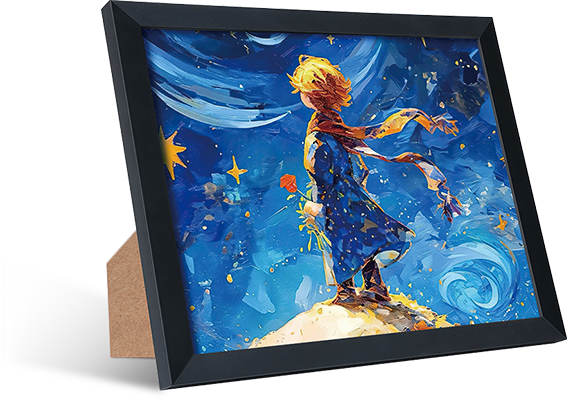
-
PVC Moulding
Sold by brand JinHuan
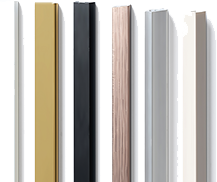
-
MDF Picture Frame
Sold by brand JinHuan
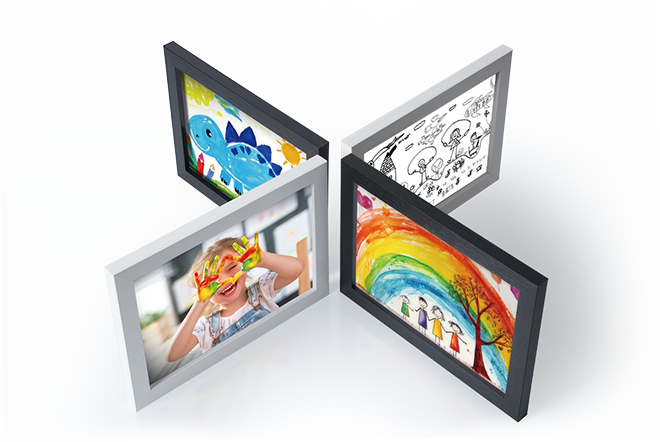
-
Iron Photo Frame
Sold by brand JinHuan
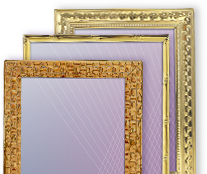
-
Plastic Injection Frame
Sold by brand JinHuan

-
Mirror
Sold by brand JinHuan

-
Glass Picture Frame
Sold by brand JinHuan

-
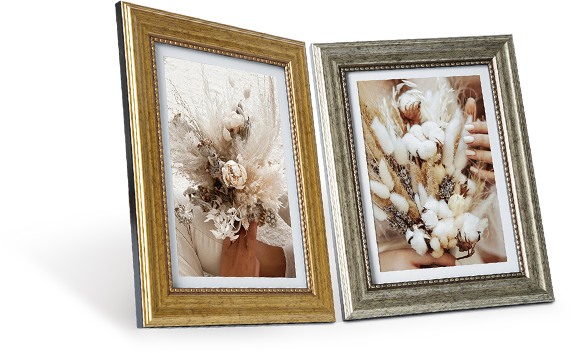
PS Picture Frame
Sold by brand JinHuan
-
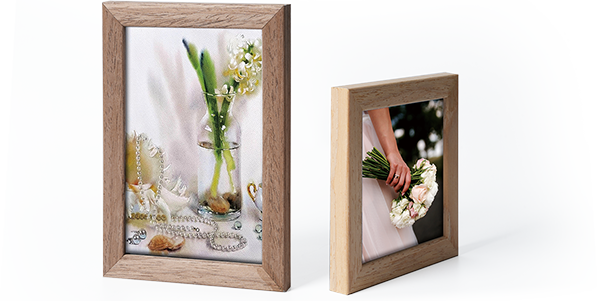
Solid Wood Picture Frame
Sold by brand JinHuan
-
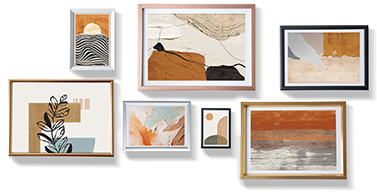
Aluminum Alloy Picture Frame.
Sold by brand JinHuan
The Future Market of the Craft Industry

Jinhuan's professional manufacturing solutions empower your premium product production.
The craft industry, as an important part of decorative art and home decor, faces a future market outlook influenced by various factors. Here is an analysis of the future market for the picture frame industry:
Market Demand and Growth Trends
Market Demand: With the improvement of living standards and changes in aesthetic concepts, the demand for home decor items continues to increase. Picture frames, as one of the key decorative elements, are also seeing sustained growth in market demand. Both household and corporate users are paying more attention to the aesthetics and personalization of their spaces, providing a vast market space for the picture frame industry.
Growth Trends: It is expected that the picture frame industry will maintain a steady growth trend in the coming years. On one hand, global population growth and accelerated urbanization will drive the increase in residential and commercial spaces, thereby increasing the demand for picture frame products. On the other hand, consumers' pursuit of high-quality, personalized products will also prompt continuous innovation and upgrading within the picture frame industry.
Technological Innovation and Product Upgrades
Technological Innovation: With technological advancements, the production technology in the picture frame industry is continually evolving. For example, the application of digital technology makes picture frame designs more diverse and personalized, meeting consumers’ demands for uniqueness. Additionally, the use of new materials and processes has improved the quality and durability of picture frames.
Product Upgrades: Besides technological innovation, product upgrades are also a crucial direction for the future development of the picture frame industry. Companies need to continuously introduce new styles and materials to meet the increasingly diverse needs of consumers. Enhancing the environmental performance of products is also an important trend for the future development of the picture frame industry.
Market Competition and Brand Building
Market Competition: The competition in the picture frame industry is becoming increasingly fierce. Companies need to continuously enhance their competitiveness to meet market challenges. This includes optimizing production processes, reducing costs, and improving product quality. At the same time, companies need to pay attention to market dynamics and changing consumer demands, adjusting product strategies and market layout promptly.
Brand Building: In the fierce market competition, brand building is crucial for picture frame enterprises. By strengthening brand promotion and marketing, enhancing brand image and awareness, companies can increase consumer recognition and loyalty to their brands. Moreover, brand building can help companies expand market share and improve profitability.
Future Predictions and Suggestions
Future Predictions: Considering the above factors, it can be anticipated that the picture frame industry will continue to maintain stable development. With the continuous growth of market demand and technological innovation, the picture frame industry will face more development opportunities. Meanwhile, market competition will become even more intense, requiring companies to continuously improve their strength to meet challenges.
Suggestions: For picture frame enterprises, the following aspects should be focused on in the future: First, strengthening technical research and development capabilities, continuously launching new products that meet market demands; second, optimizing production processes and supply chain management to reduce costs and improve product quality; third, enhancing brand building and market promotion efforts to increase brand awareness and reputation; fourth, paying attention to environmental protection and sustainable development trends, promoting green production and circular economy models.
Picture frame supplies encompass a variety of materials and tools needed to construct and assemble a frame. The primary components are the frame itself, the backing board, the glass or acrylic sheet, and the accessories used for assembly. Here’s a breakdown of the common picture frame supplies:
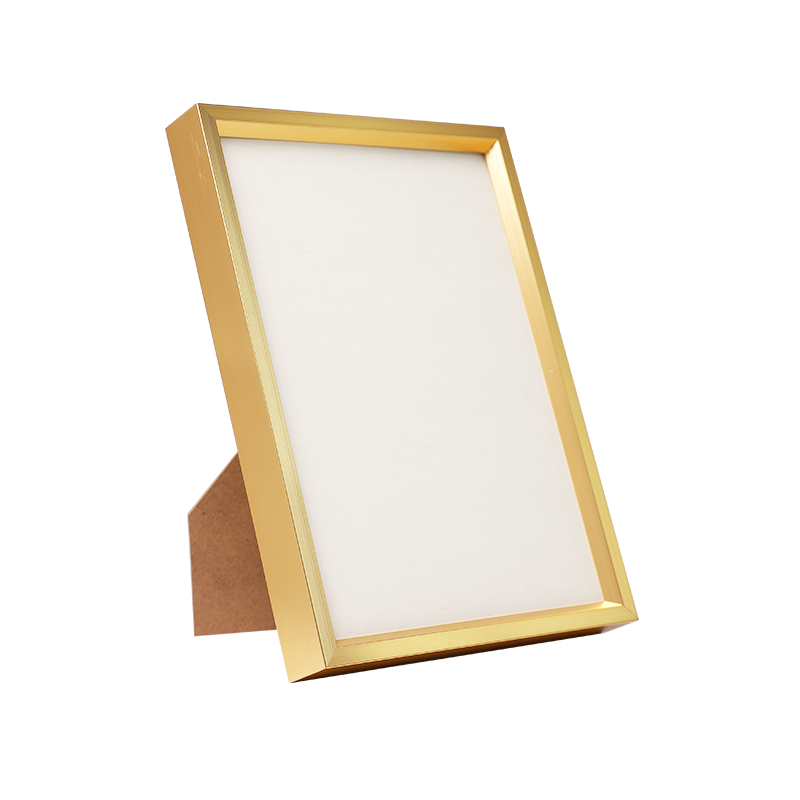
Picture Frame: The frame is the structure that surrounds the artwork or photograph. It can be made of wood, metal, or plastic and comes in a variety of styles and finishes. Frames often have a lip that holds the glass, photo, and backing board securely in place.
Matting: Matting is a border placed between the artwork and the glass. It not only enhances the visual presentation of the photo or artwork but also protects it from direct contact with the glass, which can cause damage over time. Mats are usually made from acid-free materials to ensure they don’t degrade or damage the artwork.
Backing Board: The backing board provides structural support for the photo or artwork and prevents it from bending or warping. It’s often made from cardboard, foam board, or a more durable material like MDF (medium-density fiberboard). The backing board also acts as a protective barrier, ensuring that the artwork is secure and undisturbed.
Glass or Acrylic Sheet: The glass or acrylic sheet is placed in front of the artwork to shield it from dirt, dust, and physical damage. Glass is typically used for high-end frames due to its clarity and durability, while acrylic (also known as Plexiglas) is lighter and shatter-resistant, making it a safer alternative.
Frame Hardware: To assemble the frame, a variety of hardware is required. This includes picture hangers, screws, and clips. These items help hold the frame components together and enable easy mounting on walls or display surfaces.
Tools: Common tools involved in the framing process include a saw (to cut the frame mold), a glass cutter (to trim glass or acrylic), and a stapler or frame gun (for attaching the backing). These tools ensure precise measurements and secure assembly.
PVC (Polyvinyl Chloride) picture frame molding is an increasingly popular material in the framing industry, known for its versatility, affordability, and durability. PVC is a synthetic plastic polymer that offers several advantages as a frame molding material. Below, we examine its characteristics in greater detail.
Durability: One of the key characteristics of PVC molding is its durability. Unlike wood or metal, PVC is resistant to warping, cracking, or rotting, making it an option for long-lasting frames. It is not prone to the effects of moisture, which can damage wooden frames over time, especially in humid environments.
Your email address will not be published. Required fields are marked *
China Picture Frames Online Factory
Copyright © JinHuan Art & Craft Products Co., Ltd. All Rights Reserved.
