

 English
 Español
 日本語
日本語 عربى
عربى русский
-
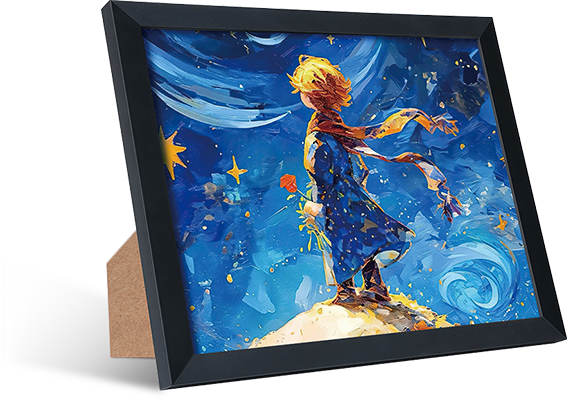
PVC Picture Frame
Sold by brand JinHuan
-
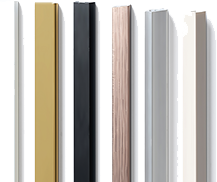
PVC Moulding
Sold by brand JinHuan
-
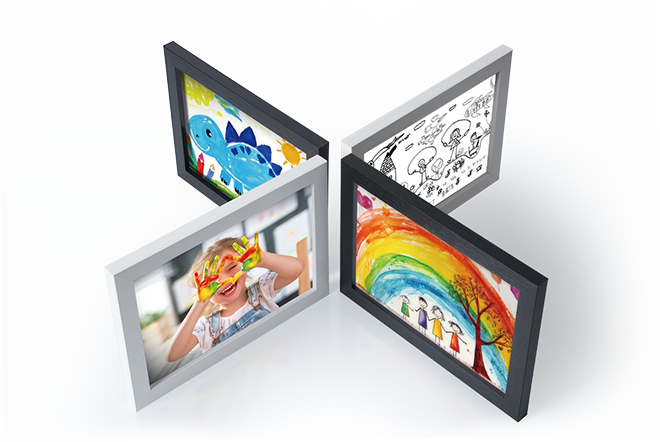
MDF Picture Frame
Sold by brand JinHuan
-
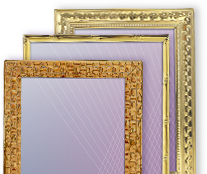
Iron Photo Frame
Sold by brand JinHuan
-
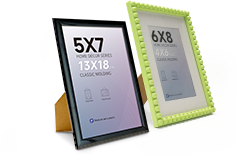
Plastic Injection Frame
Sold by brand JinHuan
-
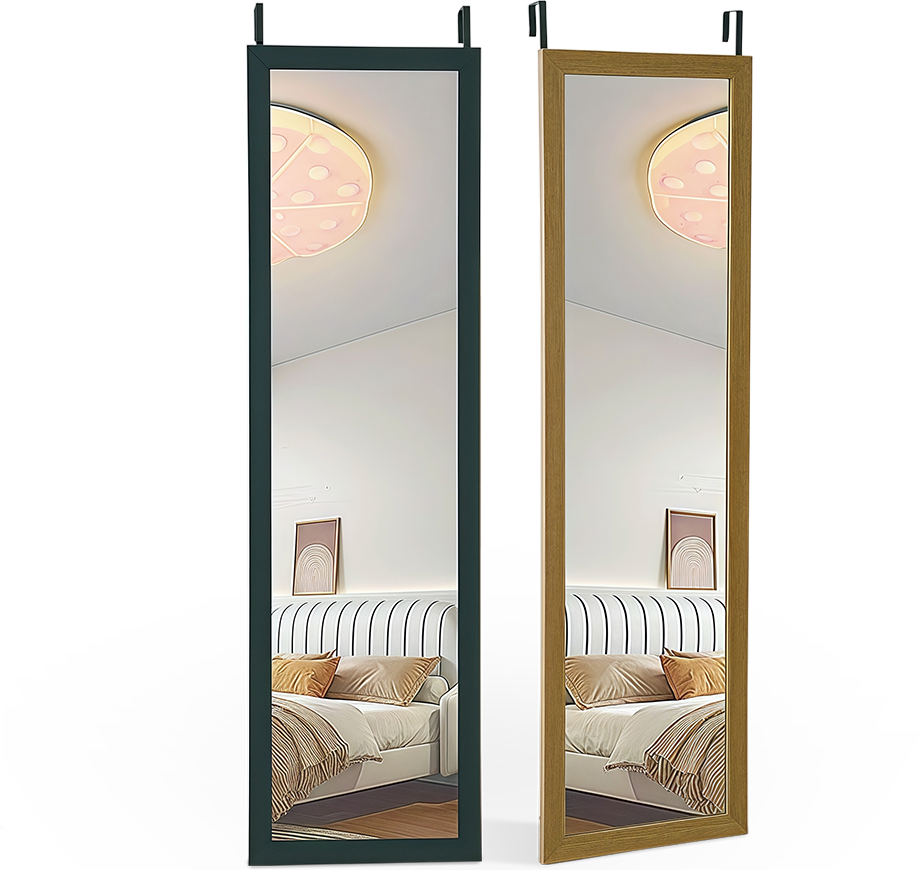
Mirror
Sold by brand JinHuan
-
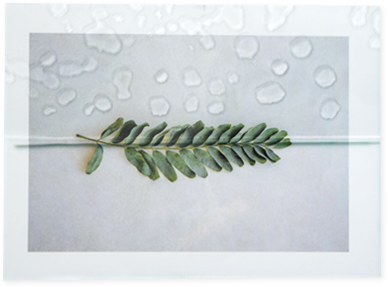
Glass Picture Frame
Sold by brand JinHuan
-
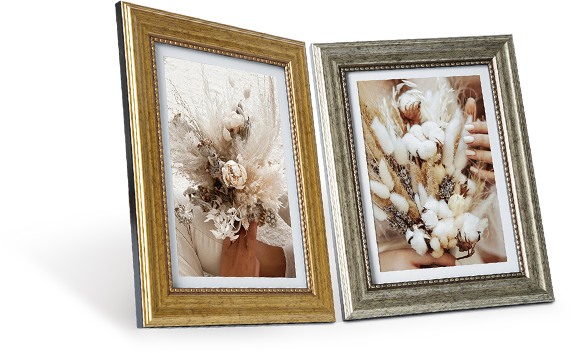
PS Picture Frame
Sold by brand JinHuan
-
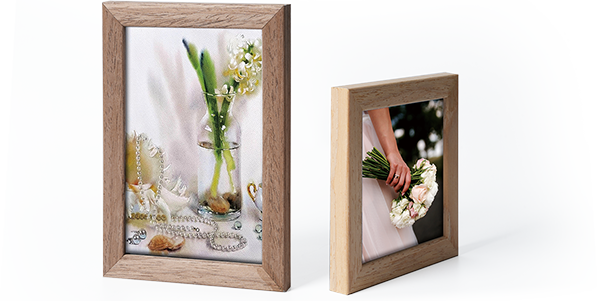
Solid Wood Picture Frame
Sold by brand JinHuan
-
Aluminum Alloy Picture Frame.
Sold by brand JinHuan
The Light Wood Framed Wall Mirror in Home Design

Jinhuan's professional manufacturing solutions empower your premium product production.
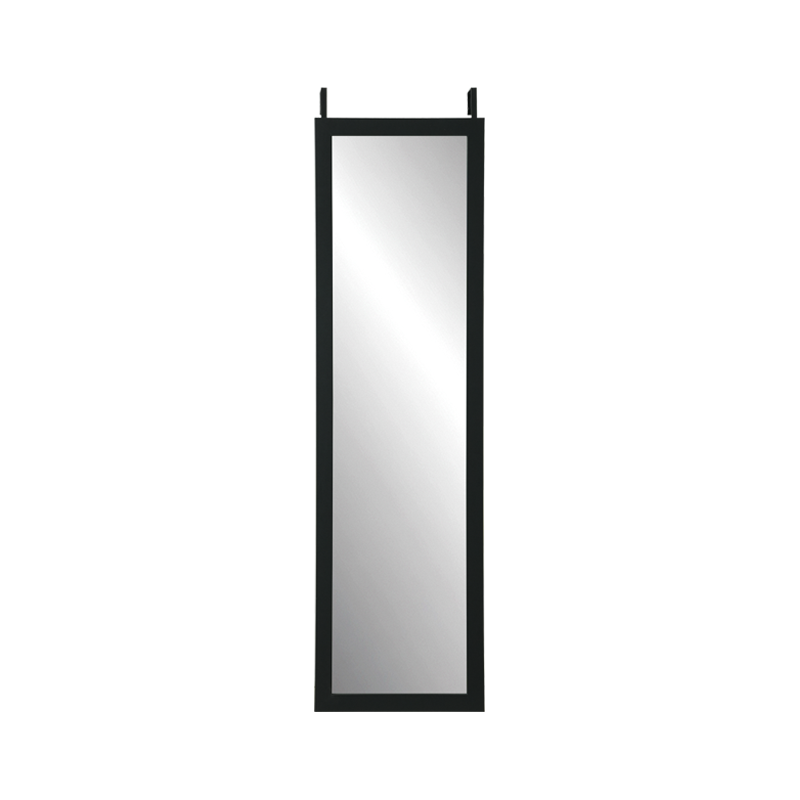
A light wood framed wall mirror is a versatile and popular decorative item found in many homes. It consists of a reflective glass surface bordered by a frame crafted from a light-toned wood, such as pine, ash, birch, or oak that may be naturally light or finished with a light stain or paint. This type of mirror serves a dual purpose: it is a highly functional object used for reflection and a key aesthetic element that contributes to the overall style and atmosphere of an interior space. Its design and material choices make it a suitable addition to various rooms, from entryways and living rooms to bedrooms and bathrooms.
Defining Characteristics and Construction
The identity of this mirror is defined by two main components: the frame and the glass. The frame, made from light wood, is its distinguishing feature. This wood is typically finished to highlight its natural grain or painted in shades like white, cream, beige, or light gray. The profile of the frame can vary significantly, ranging from a simple, thin flat band for a minimalist look to a more substantial, sculpted profile with routed details for a traditional or rustic feel. The construction involves securely joining the wood frame—often with mitered corners for a clean look—and mounting the glass within it. The glass itself is usually a high-quality, clear silvered glass that provides an accurate, distortion-free reflection. For safety, especially in households with children or in busy areas, some models may use lighter-weight acrylic, though glass remains standard for its clarity and feel.
Functional Roles in the Home
The utility of a wall mirror extends far beyond checking one’s appearance. Its primary function is to enhance the perception of space. By reflecting light and the room itself, a mirror can make a small or narrow area, such as a hallway or compact bedroom, feel significantly larger, brighter, and more open. This is a valuable tool for making the lots of limited square footage. Secondly, it serves as a key element in light management. Placed opposite a window, it effectively doubles the amount of natural light entering a room, reducing the need for artificial lighting during the day and creating a brighter, more cheerful environment. In darker spaces like entryways, it helps bounce artificial light around, eliminating dark corners. Finally, its functionality is matched by its decorative purpose. It acts as a focal point on a blank wall, adding visual interest and breaking up large expanses of paint or wallpaper.
Aesthetic Appeal and Style Integration
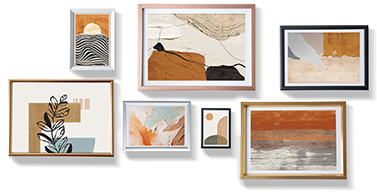
The aesthetic value of a light wood frame is its remarkable versatility and ability to complement a wide range of interior design styles. In modern or Scandinavian-inspired spaces, a mirror with a simple, thin, light wood frame reinforces the themes of simplicity, natural materials, and airiness. For a farmhouse or rustic decor, a frame with a distressed whitewash or a raw, natural finish adds warmth and rustic charm. In coastal or cottage-style rooms, the light wood evokes a sense of beachy, relaxed simplicity. The light color of the frame is its greatest asset for integration; it provides a soft, neutral border that does not overwhelm the space or the mirror’s reflection. It can easily tie together other light wood elements in a room, such as furniture or flooring, or provide a gentle contrast against darker wall colors without creating a jarring visual break. This chameleon-like ability to blend and enhance various decors makes the light wood framed wall mirror a enduring and practical choice for thoughtful home decoration.
Your email address will not be published. Required fields are marked *
China Picture Frames Online Factory
Copyright © JinHuan Art & Craft Products Co., Ltd. All Rights Reserved.
