

 English
 Español
 日本語
日本語 عربى
عربى русский
-
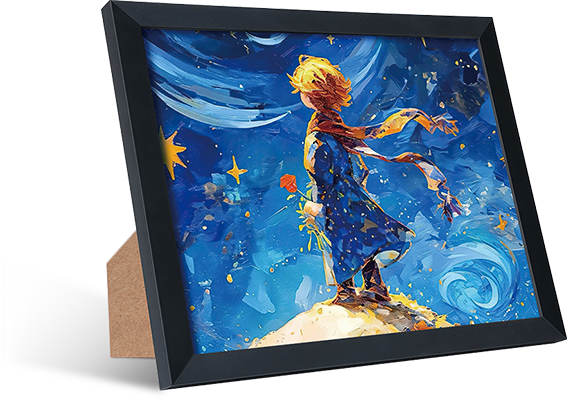
PVC Picture Frame
Sold by brand JinHuan
-
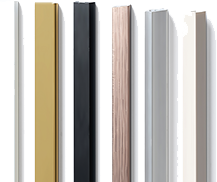
PVC Moulding
Sold by brand JinHuan
-
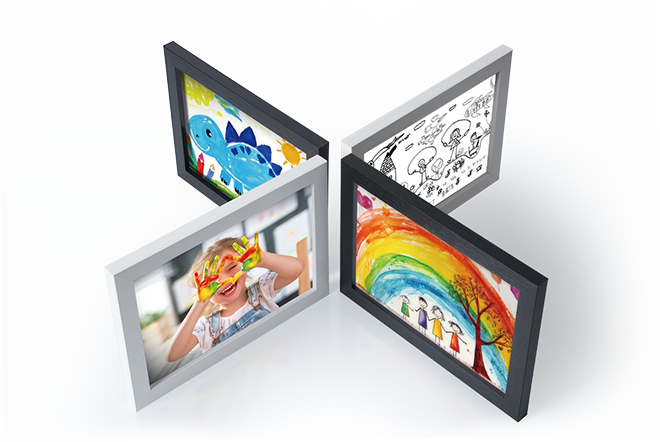
MDF Picture Frame
Sold by brand JinHuan
-
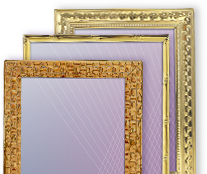
Iron Photo Frame
Sold by brand JinHuan
-
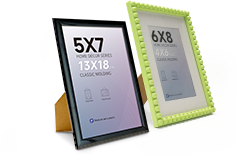
Plastic Injection Frame
Sold by brand JinHuan
-
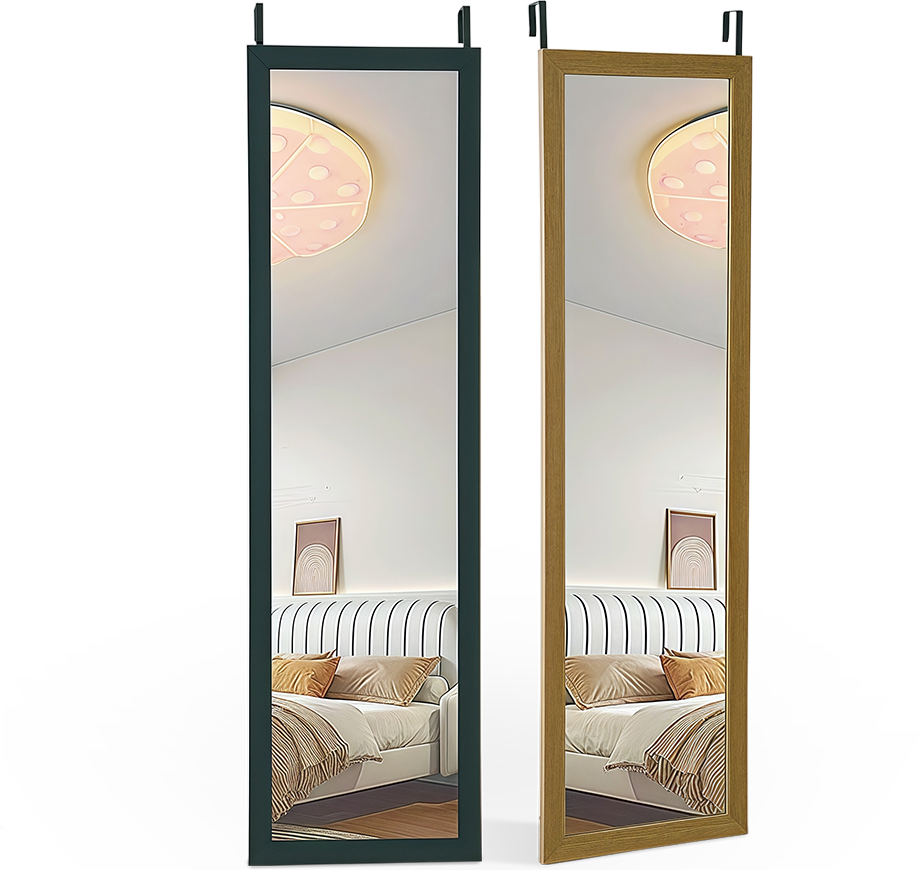
Mirror
Sold by brand JinHuan
-
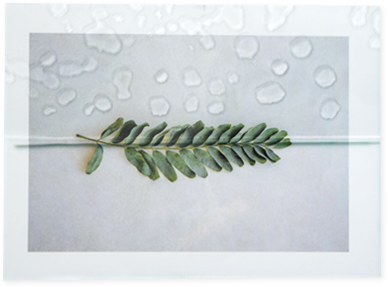
Glass Picture Frame
Sold by brand JinHuan
-
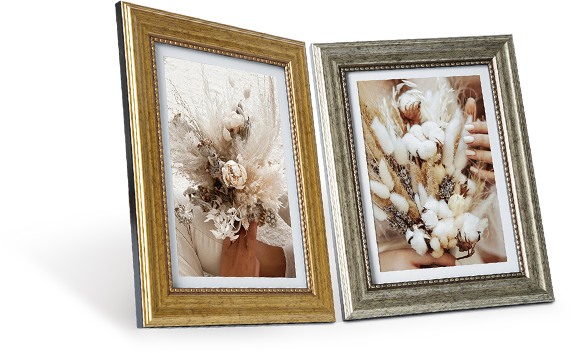
PS Picture Frame
Sold by brand JinHuan
-
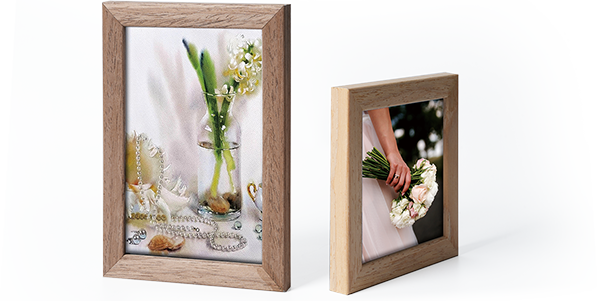
Solid Wood Picture Frame
Sold by brand JinHuan
-
Aluminum Alloy Picture Frame.
Sold by brand JinHuan
What Are Pros and Cons of All Glass Photo Frames?

Jinhuan's professional manufacturing solutions empower your premium product production.
All glass photo frames, which consist primarily of a glass sheet with minimal hardware, offer a distinct method of displaying artwork and photographs. This design philosophy presents several advantages alongside certain limitations that are important to consider.

A significant advantage of this style is its visual appeal. The minimalist design eliminates distracting borders, creating a clean and modern presentation that keeps the viewer's focus entirely on the image. This allows the photograph to feel integrated into the space, almost as if it is floating on the wall. Furthermore, glass provides optical clarity. High-quality glass offers a clear, distortion-free view of the photo, ensuring colors remain vibrant and true. The material itself also feels substantial and can lend a sense of permanence and value to the displayed piece. From a practical standpoint, the smooth surface of glass is also very easy to clean and maintain with a simple cloth, unlike frames with fabric mats that can trap dust.
However, this design also has notable drawbacks. The prominent concern is fragility. Glass is susceptible to breaking from impact, which poses a risk in households with children or pets, or in high-traffic areas. A shattered panel can also damage the photograph it was meant to protect. Additionally, the large glass surface acts like a mirror, easily reflecting light sources and creating glare that can obscure the view of the image. This necessitates careful placement away from windows and bright lights. The weight of glass, especially for larger sizes, can make these frames cumbersome to hang and may require special heavy-duty hardware for secure installation. Finally, their minimalist aesthetic, while a pro for modern spaces, may lack the warmth or traditional character that some interiors and artworks require.
Shatterproof frames, typically made from acrylic or other plastics, are a popular and practical alternative to glass. While resistant to breaking, they require specific care to maintain their clarity and appearance over time.
The primary maintenance task involves proper cleaning. The surface of these materials is softer than glass and can be easily scratched. Therefore, it is essential to use the correct tools. A soft, lint-free microfiber cloth is ideal. If needed, lightly dampen the cloth with water or a diluted solution of mild soap. It is crucial to avoid harsh chemicals, abrasive cleaners, or rough paper towels, as these can permanently cloud or damage the surface. Always wipe the surface gently in a circular motion to lift dust without scratching.
Proper handling is another key aspect of maintenance. Although shatterproof, the material can still crack under pressure or if twisted. When moving or cleaning the frame, it should be handled with care, supporting its weight evenly. Storage is also an important consideration. If the frame is not on display, it should be stored upright in a cool, dry place away from direct sunlight. Prolonged exposure to sunlight and heat can cause the material to yellow or become brittle over time. For frames with a protective film applied from the manufacturer, this layer should be removed carefully just before final installation to avoid scratches during handling. By following these simple guidelines, shatterproof frames can remain clear, attractive, and durable for many years, providing a safe and long-lasting way to display valued images.
Your email address will not be published. Required fields are marked *
China Picture Frames Online Factory
Copyright © JinHuan Art & Craft Products Co., Ltd. All Rights Reserved.
