

 English
 Español
 日本語
日本語 عربى
عربى русский
-
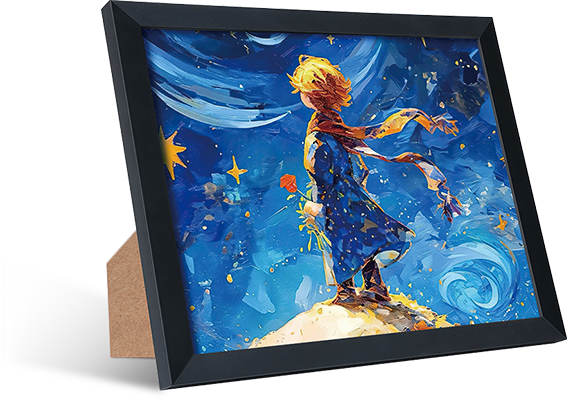
PVC Picture Frame
Sold by brand JinHuan
-
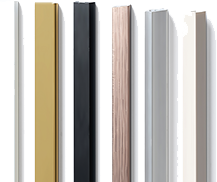
PVC Moulding
Sold by brand JinHuan
-
MDF Picture Frame
Sold by brand JinHuan

-
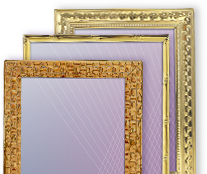
Iron Photo Frame
Sold by brand JinHuan
-
Plastic Injection Frame
Sold by brand JinHuan

-
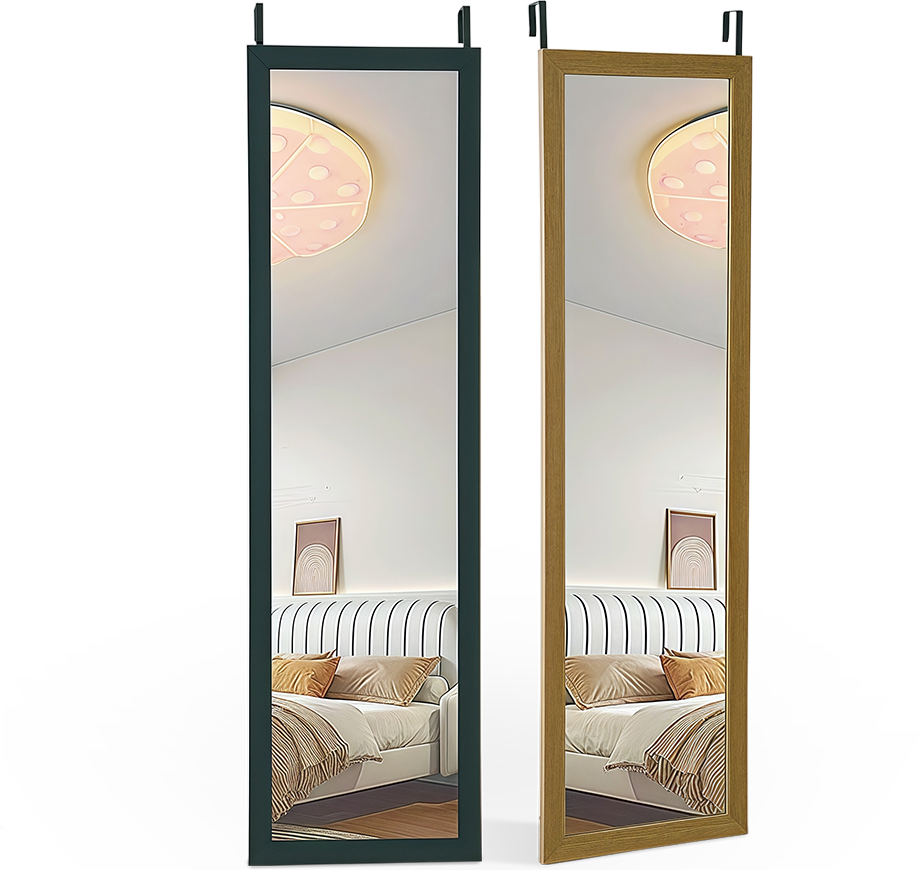
Mirror
Sold by brand JinHuan
-
Glass Picture Frame
Sold by brand JinHuan
-
PS Picture Frame
Sold by brand JinHuan
-
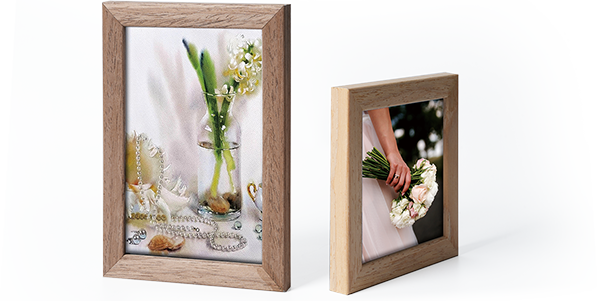
Solid Wood Picture Frame
Sold by brand JinHuan
-
Aluminum Alloy Picture Frame.
Sold by brand JinHuan

What are the common materials for Solid Wood Photo Frames?

Jinhuan's professional manufacturing solutions empower your premium product production.
The choice of a photo frame is more than just a practical decision; it is an aesthetic one that influences how we preserve and present our memories. Among the various options available, the Solid Wood Photo Frame holds a special place for its natural warmth, durability, and timeless appeal. Unlike frames made from composite materials or plastics, a Solid Wood Photo Frame brings a unique character and a sense of organic beauty to any photograph or piece of art. However, the term "solid wood" encompasses a wide variety of tree species, each with its own distinct grain pattern, color, and working properties. Understanding the common materials used for a Solid Wood Photo Frame can help in selecting one that complements both the image it holds and the decor of the room it will adorn.
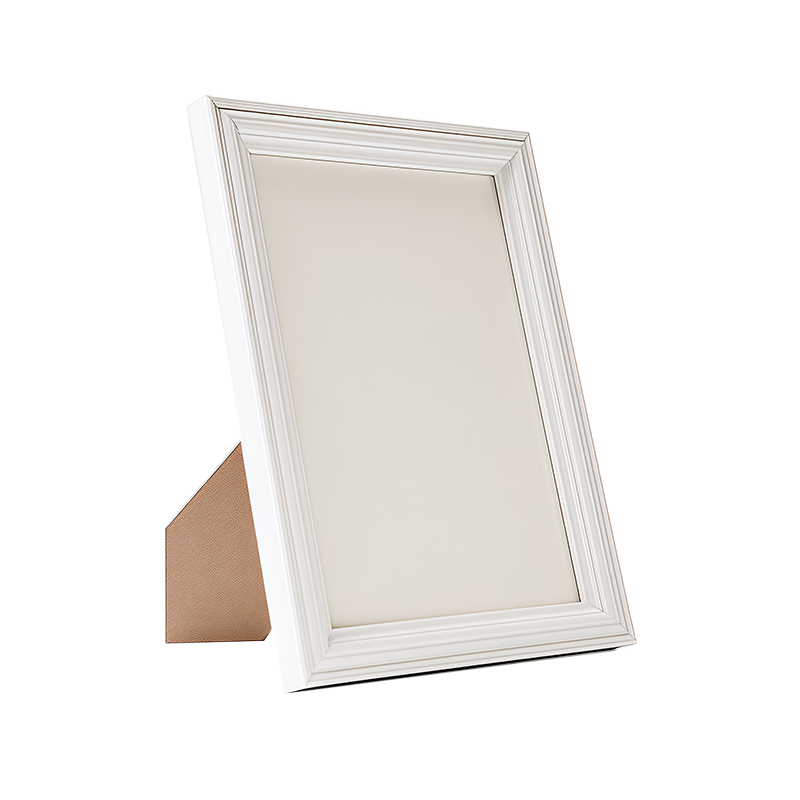
Oak: Strength and Prominent Grain
Oak is a classic and highly popular choice for furniture and frames, known for its robustness and distinctive appearance. It offers a traditional look that has been appreciated for generations.
Durability: Oak is a very hard and strong wood, making it resistant to dents and damage, which contributes to the longevity of a Solid Wood Photo Frame.
Grain Pattern: It features a prominent, open grain that is highly visible and adds a strong textural element to the frame.
Color Variations: The two common types are Red Oak, which has a warm, pinkish-brown tone, and White Oak, which tends to be a more neutral, grayish-brown.
Oak's enduring strength makes it a reliable material for a frame that is meant to be an heirloom. The bold grain pattern ensures that the frame itself has a visual presence, making it well-suited for formal portraits, landscapes, or any image that can be complemented by a strong, traditional border. A Solid Wood Photo Frame made from white oak, in particular, has become increasingly popular in modern and Scandinavian-inspired interiors due to its muted, natural tone that pairs well with lighter color palettes.
Maple and Walnut: Contrasting Tones and Smooth Finishes
For those seeking a different aesthetic, maple and walnut offer contrasting yet equally appealing options. These woods are often chosen for their fine grain and the distinct moods they can create.
Maple Characteristics: Maple is a hard, dense wood with a very fine, often subtle grain. Its natural color is a light, creamy white, which can be stained to mimic other woods or left natural for a bright, clean look.
Walnut Characteristics: Walnut is prized for its rich, dark brown color, which can sometimes have purplish or chocolate undertones. It has a generally straight grain, though it can be wavy or curly, adding to its luxurious appeal.
A Solid Wood Photo Frame crafted from maple provides a crisp, modern backdrop that allows the colors in a photograph to stand out without competition from a busy wood grain. It is an choice for bright, airy spaces or for framing black and white photography. Walnut, on the other hand, brings a sense of depth and sophistication. Its rich color creates a natural contrast that can make a vibrant color photo pop or add warmth to a monochromatic image. A Solid Wood Photo Frame made of walnut often becomes a focal point in a room, lending an air of elegance and refinement.
Softer Woods and Staining Techniques
Not all frames are made from hardwoods; softer woods and the art of staining also play significant roles in the variety available on the market.
Pine and Similar Woods: Pine is a softwood that is lightweight and affordable. It is characterized by a pale yellow color and often has visible knots, which contribute to a rustic or cottage-style charm.
The Role of Staining: Many woods, especially lighter ones like pine and maple, are frequently stained. This process allows manufacturers to achieve a wide range of colors, from light oak tones to deep ebony, using a single, more readily available wood species.
A Solid Wood Photo Frame made from pine offers a casual, country-inspired feel. The knots and natural imperfections in the wood are not hidden but celebrated, telling their own story of natural growth. This makes it a charming choice for family photos, children's artwork, or informal snapshots. Staining greatly expands the design possibilities, allowing a Solid Wood Photo Frame to be color-matched to existing furniture or to achieve the look of a more expensive wood at a lower cost. A stained maple frame, for instance, can be made to closely resemble the rich hue of cherry or walnut, providing aesthetic flexibility.
Your email address will not be published. Required fields are marked *
China Picture Frames Online Factory
Copyright © JinHuan Art & Craft Products Co., Ltd. All Rights Reserved.
