

 English
 Español
 日本語
日本語 عربى
عربى русский
-
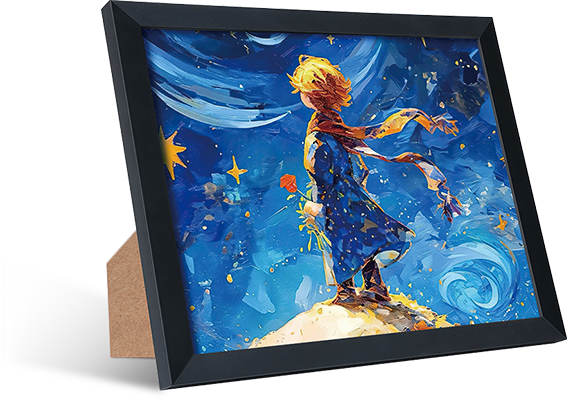
PVC Picture Frame
Sold by brand JinHuan
-
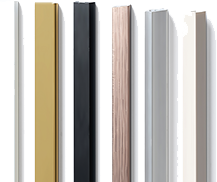
PVC Moulding
Sold by brand JinHuan
-
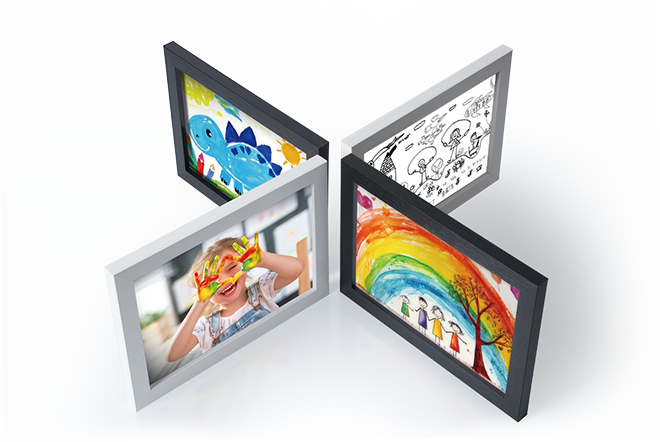
MDF Picture Frame
Sold by brand JinHuan
-
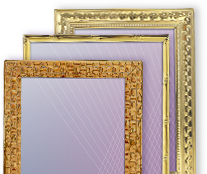
Iron Photo Frame
Sold by brand JinHuan
-
Plastic Injection Frame
Sold by brand JinHuan

-
Mirror
Sold by brand JinHuan

-
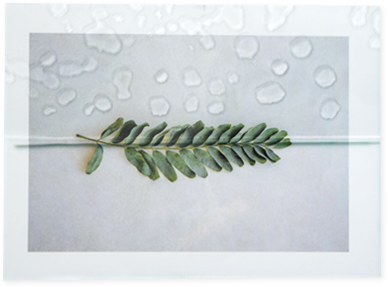
Glass Picture Frame
Sold by brand JinHuan
-
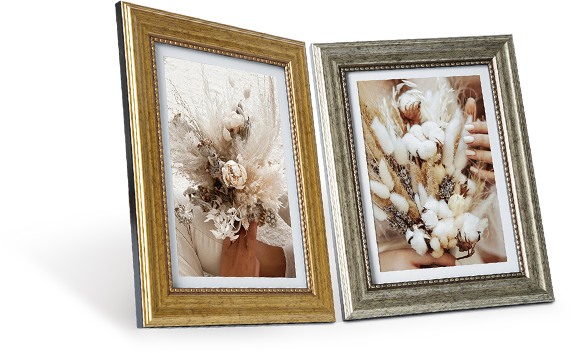
PS Picture Frame
Sold by brand JinHuan
-
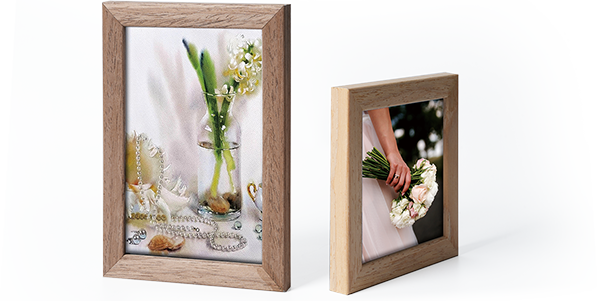
Solid Wood Picture Frame
Sold by brand JinHuan
-
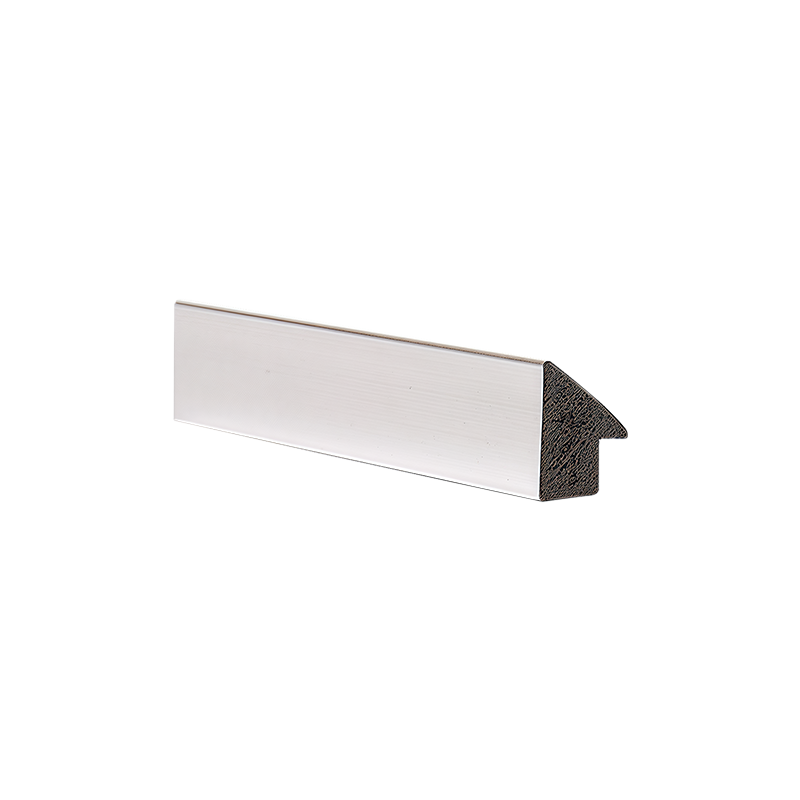
Aluminum Alloy Picture Frame.
Sold by brand JinHuan

Why Photo Frame Molding Is Necessary in Our Lives?

Jinhuan's professional manufacturing solutions empower your premium product production.
From a functional perspective, molding provides essential protection. It creates a solid structure that holds together the glass, the matting, the photograph, and the backing board, shielding the image from physical damage, dust, and environmental factors like humidity. This protective border ensures that cherished memories remain intact and unspoiled for years. Beyond preservation, the molding acts as a visual guide. It creates a defined border that separates the image from the distractions of its surroundings, such as wall patterns or other nearby objects. This helps to focus the viewer's attention solely on the photograph, enhancing its visual impact and encouraging a moment of reflection.
On a deeper level, the choice of molding is an act of curation and respect. Selecting a specific style, color, or material for a frame is a way to honor the memory it holds. A simple, modern frame might complement a contemporary landscape, while a more traditional, ornate frame could lend gravity to a family portrait. The frame elevates the photograph from a casual snapshot to a displayed piece of art, signifying its importance. In this way, photo frame molding functions as a bridge between our intangible memories and the physical world, allowing us to integrate our personal history and valued artistry into our daily living spaces in a structured and respectful manner.
The production of plastic picture frame molding utilizes a variety of polymer compounds, each selected for its specific properties to achieve desired aesthetics, durability, and cost-effectiveness. The choice of material is a primary factor in the manufacturing process, influencing everything from the molding technique to the final product's finish and strength.
The common material is polystyrene, particularly High-Impact Polystyrene (HIPS). This plastic is widely favored for its versatility and ease of manufacture. It is relatively rigid yet can be modified for increased impact resistance. HIPS is easily extruded into various profiles and is highly receptive to finishes; it can be painted, laminated with a foil to mimic wood grain or metallic looks, or even vacuum-metallized to create a bright chrome or gold effect. For frames requiring more flexibility, such as those with snap-on backs, Polyvinyl Chloride (PVC) is often used. PVC can be formulated to be rigid or flexible and is known for its durability and resistance to moisture, making it suitable for frames in humid environments like bathrooms.
For a higher-end appearance, Acrylic (PMMA) is a preferred choice. While sometimes used for the entire frame, it is more commonly used in injection molding for decorative elements or as a surface layer due to its exceptional clarity and glossy, glass-like surface finish. It offers UV resistance and color stability. Other materials, such as Polypropylene (PP) or ABS plastic, are also used for specific applications where their unique properties—like chemical resistance or exceptional toughness—are beneficial. The selected plastic resin is typically compounded with additives like colorants, UV stabilizers to prevent fading, and plasticizers to achieve the desired flexibility before being shaped through processes like extrusion or injection molding.
Your email address will not be published. Required fields are marked *
China Picture Frames Online Factory
Copyright © JinHuan Art & Craft Products Co., Ltd. All Rights Reserved.
