

 English
 Español
 日本語
日本語 عربى
عربى русский
-
PVC Picture Frame
Sold by brand JinHuan

-
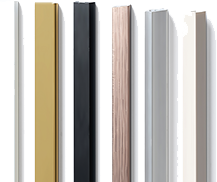
PVC Moulding
Sold by brand JinHuan
-
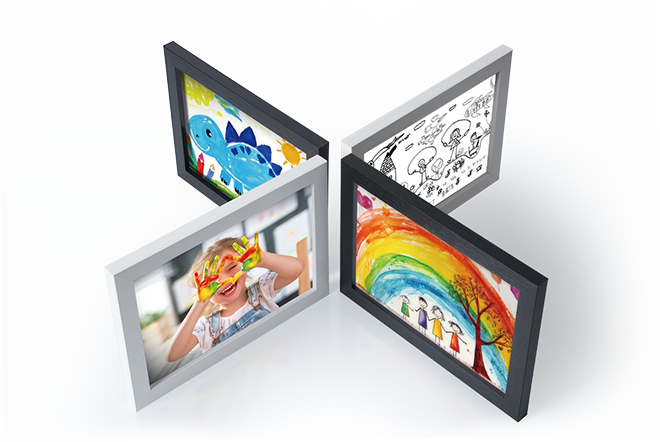
MDF Picture Frame
Sold by brand JinHuan
-
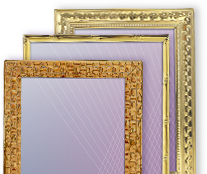
Iron Photo Frame
Sold by brand JinHuan
-
Plastic Injection Frame
Sold by brand JinHuan

-
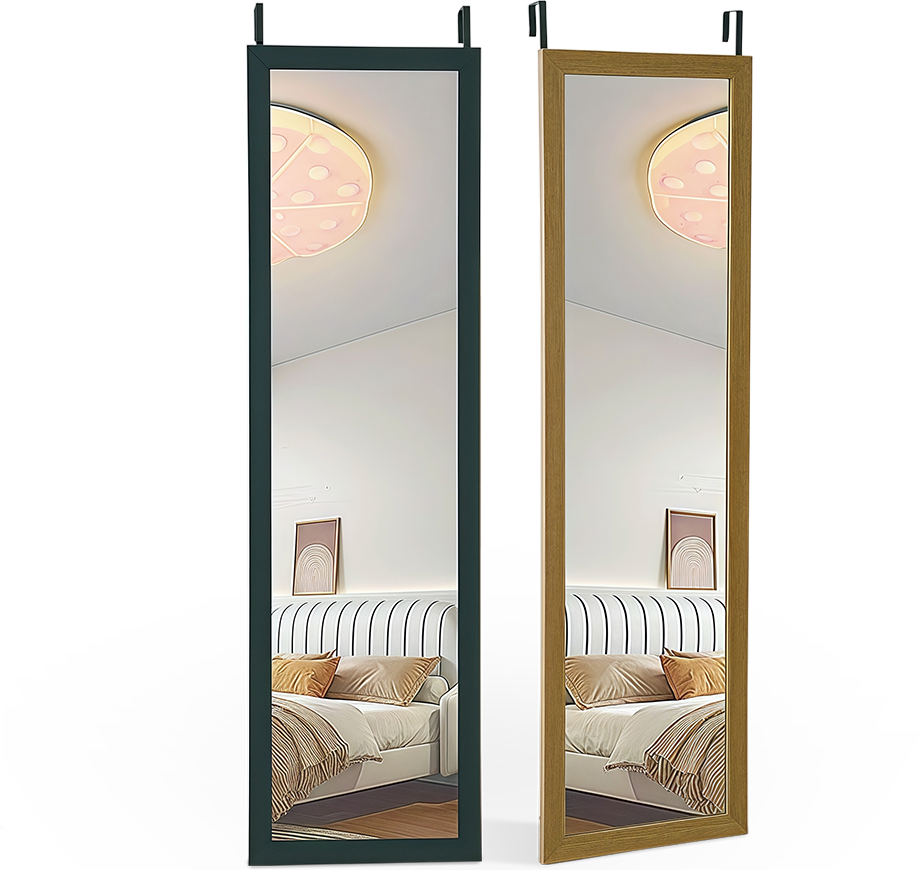
Mirror
Sold by brand JinHuan
-
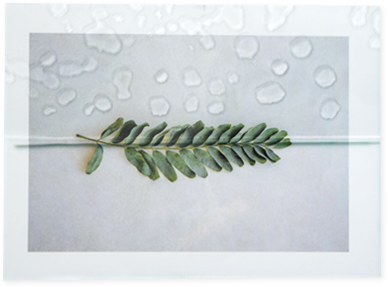
Glass Picture Frame
Sold by brand JinHuan
-
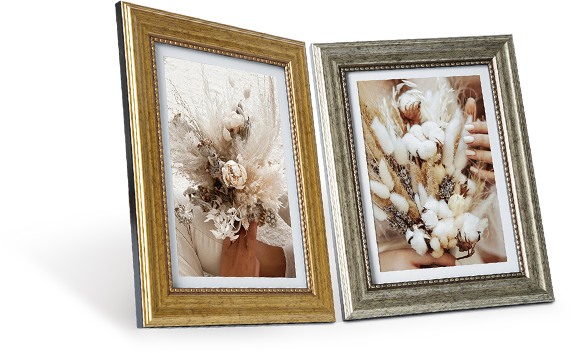
PS Picture Frame
Sold by brand JinHuan
-
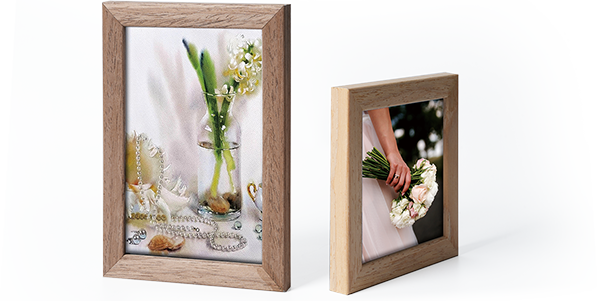
Solid Wood Picture Frame
Sold by brand JinHuan
-
Aluminum Alloy Picture Frame.
Sold by brand JinHuan

How to Choose the Right Frame Style?

Jinhuan's professional manufacturing solutions empower your premium product production.
A frame is not just a protective cover for a photo; it is an indispensable element in home decor. Choosing the right frame can harmonize the photo with the home environment and enhance the aesthetic appeal of the space. Here are some factors to consider when selecting a frame:
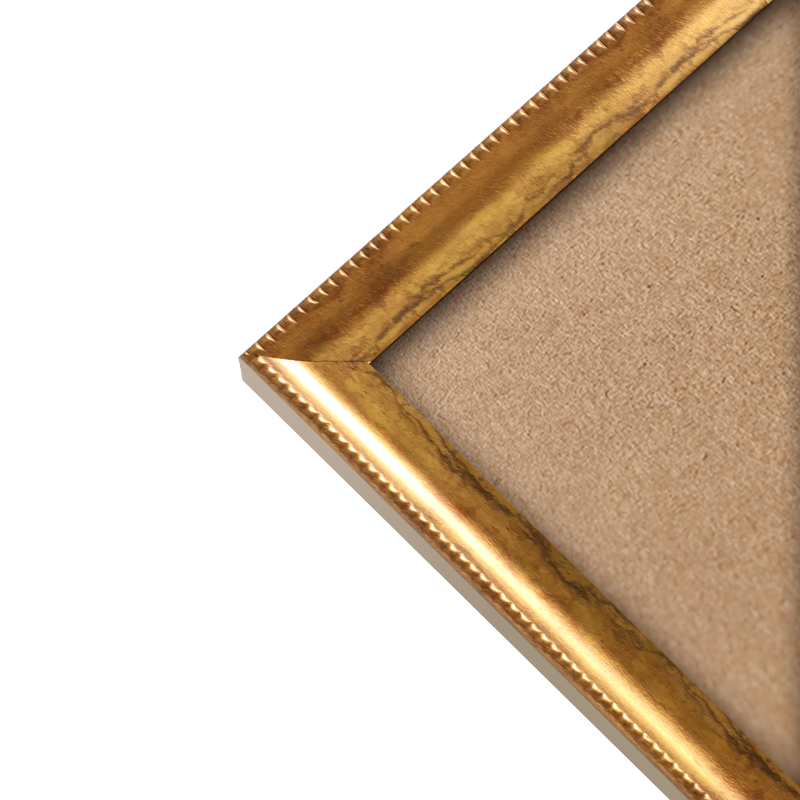
Consider the Frame Material
Wooden frames have a natural and simple texture, suitable for various decorating styles, especially Chinese, European, or pastoral styles.
Plastic frames are lightweight and affordable but may lack a certain texture and durability.
Metal frames have a modern feel, making them ideal for minimalist or industrial-style home environments.
Glass frames are transparent and beautiful, suitable for modern minimalist styles, but they are fragile and should be used with caution.
Resin frames come in rich colors and diverse shapes, perfect for achieving a personalized decorative effect.
Determine the Frame Size
Ensure the size of the frame matches the photo size while also considering the wall space and overall layout.
Avoid frames that are too large or too small to maintain visual balance.
Pay Attention to Frame Style
The style of the frame should match the interior decorating style to enhance the overall aesthetic.
The color of the frame should coordinate with the photo content and wall color to highlight the theme of the photo.
Consider Display Methods
Wall-mounted frames are suitable for larger photos and as focal points in a room.
Tabletop frames are suitable for smaller photos and can be placed on desks or bookshelves at will.
Notice Detail Handling
Check the backboard of the frame to ensure it functions properly, making it easy to install and replace photos.
For wall-mounted frames, ensure they are secure to avoid safety hazards due to loosening.
The selection of a photo frame involves considerations beyond aesthetics, with the choice of material playing a significant role in the item's characteristics. Among the various options available, frames made from Polyvinyl Chloride (PVC) and Polystyrene (PS) are common. While both are plastics serving a similar purpose, they possess distinct properties that influence their durability, appearance, environmental impact, and suitability for different settings. Understanding these differences can help in making an informed selection.
A primary distinction between PVC and polystyrene frames lies in their physical properties and durability. PVC frames are known for their strength and flexibility. They are less brittle than many other plastics, which makes them resistant to impact and less likely to crack or shatter if dropped or placed in a high-traffic area. This inherent flexibility allows for the creation of frames with intricate molded designs without a high risk of breaking delicate details. In contrast, polystyrene is a more rigid and brittle plastic. While it offers good structural rigidity, it is more susceptible to cracking upon impact. This makes PS frames better suited for static displays in less active environments where the risk of being knocked over is minimal.
The visual and manufacturing qualities of the two materials also differ. PVC can be manufactured to have a matte or glossy finish and is often used to create frames that mimic the look of painted wood or ornate gilded designs with a high level of detail. It is also available in a wider range of opaque, solid colors. Polystyrene, particularly High Impact Polystyrene (HIPS), is frequently used in frames that are intended to be clear or translucent, sometimes serving as a substitute for glass in lightweight clip frames. However, it can also be easily colored and is often used for simpler, modern frame designs. From a production standpoint, both materials are thermoplastic and easily molded, but PVC requires more precise temperature control during the extrusion and molding processes.
Another area of difference is the environmental consideration and cost. PVC has been a topic of discussion due to the chlorine in its composition. While modern manufacturing processes have developed more stabilized, phthalate-free PVC, its life cycle and recycling can be more complex than that of other plastics. Polystyrene is recyclable in many locations, though its lightweight nature can sometimes make the recycling process economically challenging. From a consumer cost perspective, polystyrene frames are generally less expensive to produce, making them a common choice for lower-cost, high-volume products. PVC frames often occupy a mid-range price point, offering a balance between cost and enhanced durability.
The choice between a PVC and a polystyrene photo frame depends on the intended use and priorities. PVC frames offer greater flexibility, impact resistance, and detailed design potential, making them suitable for family homes or for displaying more valuable photographs. Polystyrene frames provide a rigid, often more cost-effective solution, well-adapted for clear display applications or temporary, lightweight framing needs. Both materials provide viable options, with their selection ultimately guided by the specific requirements of the photograph and the environment in which it will be displayed.
Your email address will not be published. Required fields are marked *
China Picture Frames Online Factory
Copyright © JinHuan Art & Craft Products Co., Ltd. All Rights Reserved.
