

 English
 Español
 日本語
日本語 عربى
عربى русский
-
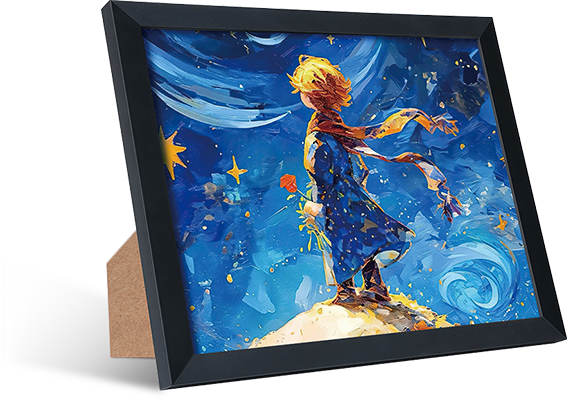
PVC Picture Frame
Sold by brand JinHuan
-
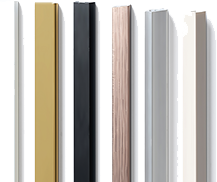
PVC Moulding
Sold by brand JinHuan
-
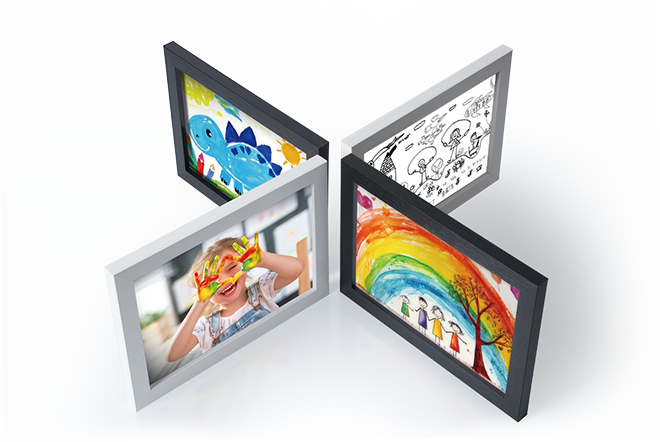
MDF Picture Frame
Sold by brand JinHuan
-
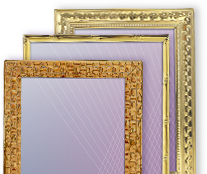
Iron Photo Frame
Sold by brand JinHuan
-
Plastic Injection Frame
Sold by brand JinHuan

-
Mirror
Sold by brand JinHuan

-
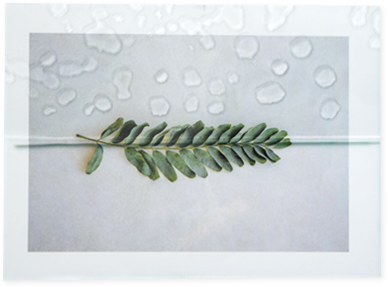
Glass Picture Frame
Sold by brand JinHuan
-
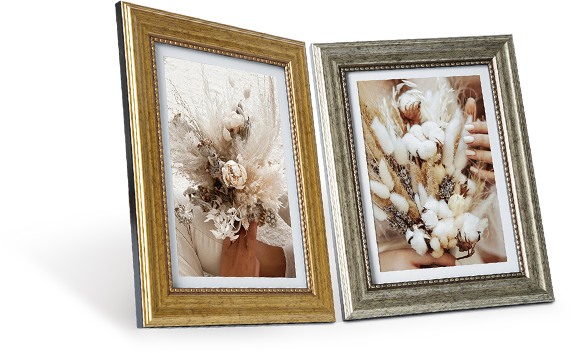
PS Picture Frame
Sold by brand JinHuan
-
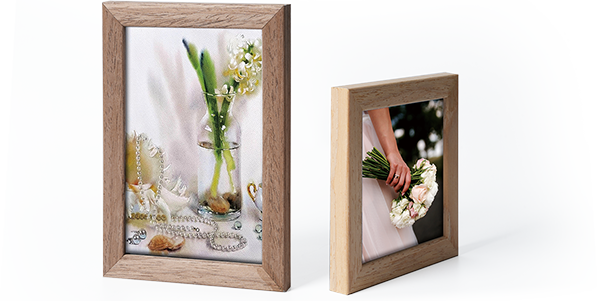
Solid Wood Picture Frame
Sold by brand JinHuan
-
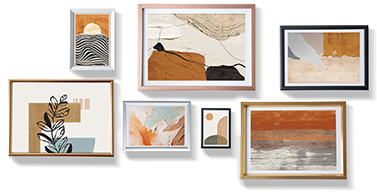
Aluminum Alloy Picture Frame.
Sold by brand JinHuan
The Frame Craft Combining Art and Technology

Jinhuan's professional manufacturing solutions empower your premium product production.
The frame craft is a meticulous manufacturing process that combines art and technology, involving multiple stages such as design, material selection, processing, and decorative painting. Here is a detailed introduction to the frame craft:
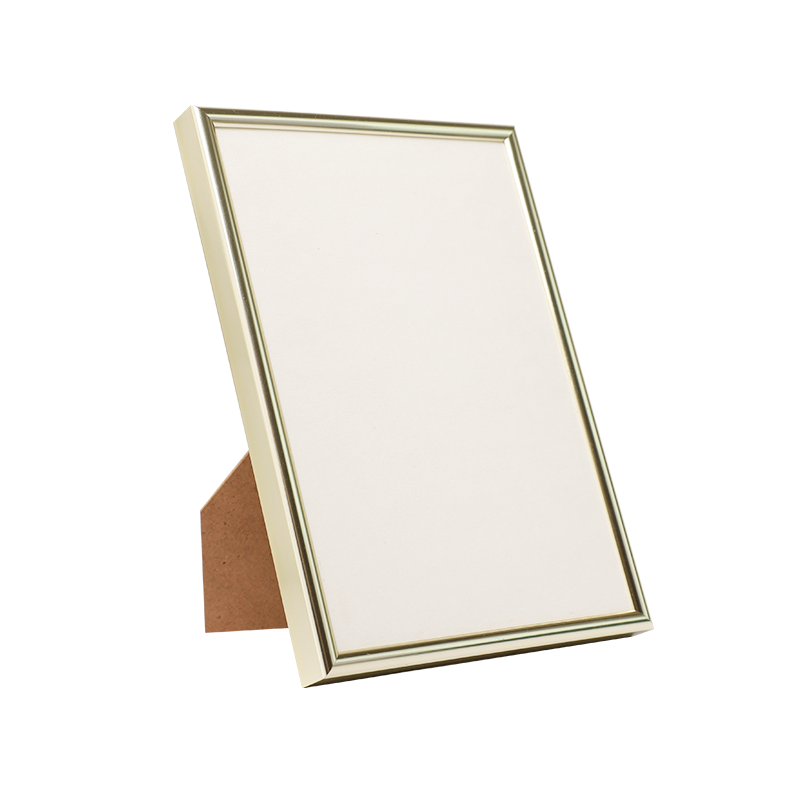
Design and Mold Making:
Designers need to create ergonomic shapes and interface designs based on market demands and customer requirements.
The size, shape, and pattern of the mold must be precisely planned and made according to the design requirements to ensure that the produced frames meet the expected standards.
Material Selection:
Common materials include cedar, pine, oak, Paulownia, and oak, with cedar and pine being the most commonly used, depending on the grade of the frame.
In addition to wood, metal or plastic can also be used, selected according to different requirements and styles.
Processing and Production:
Cutting machines are used for the initial cutting and shaping of purchased wood or aluminum sheets for further processing.
Aluminum products undergo one or more stamping processes through stamping machines to achieve the desired shape.
For wooden products, after cutting, further processing and sanding are required to enhance the product's condition.
On the dynamic assembly line, workers’ skilled techniques ensure both speedy assembly and product quality.
Painting and Decoration:
Painting and decoration are very important steps, where appropriate paints are chosen for spraying or brushing according to design requirements.
Common paints include water-based paint, oil-based paint, UV oil, and metallic paint.
During the painting and decoration process, attention must be paid to the uniformity and brightness of the color to ensure the frame surface presents the desired effect.
Finished Product Inspection:
During the production process, finished products must undergo strict inspection to ensure each batch meets quality standards.
Packaging and Shipping:
Impact-resistant packaging materials must be used to ensure the products are not damaged during transportation.
Product instructions and warranty cards should also be included in the packaging so that users can understand how to use and maintain the product.
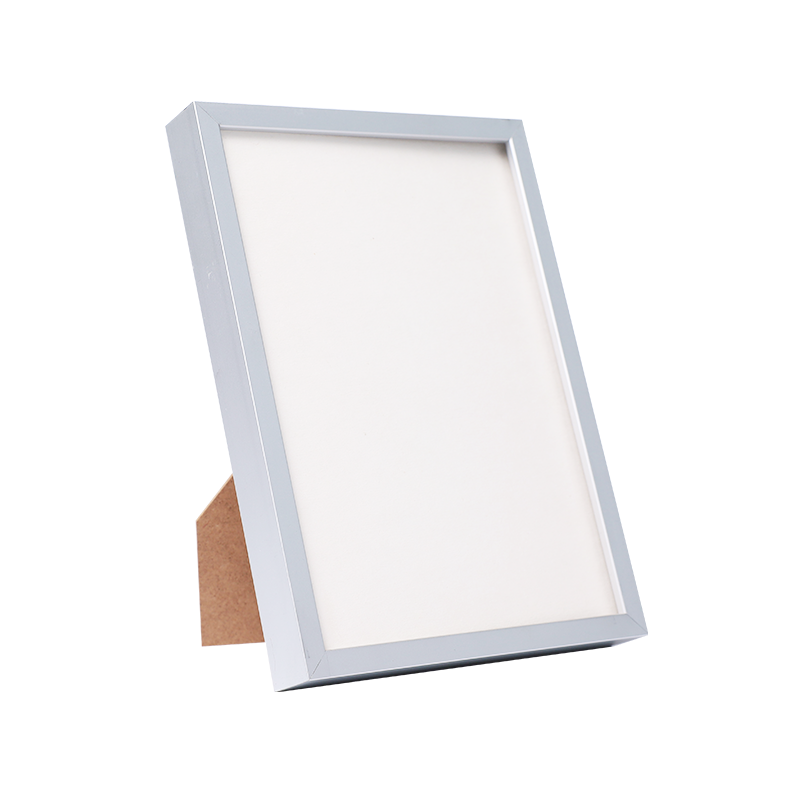
MDF is an engineered wood product made by breaking down hardwood or softwood residuals into wood fibers, combining them with wax and a resin binder, and forming panels through the application of high temperature and pressure. This manufacturing process results in a material with several distinct characteristics. MDF is known for its uniformity and consistency. Unlike natural wood, which may contain knots, grain patterns, or other irregularities, MDF has a homogeneous structure throughout. This smooth, consistent surface makes it exceptionally easy to cut, machine, and finish, allowing for the creation of intricate and detailed molding profiles that would be challenging to achieve with solid wood. Secondly, MDF is isotropic, meaning its properties are the same in all directions. This prevents warping, cracking, or splitting, ensuring the long-term stability of the picture frame. Furthermore, its dense composition provides a sturdy and durable foundation, capable of supporting the weight of glass and backing materials without bending.
The application of MDF in picture frame molding is extensive due to these inherent characteristics. MDF moldings are produced by pushing the material through a shaped die in a process called extrusion, which creates long, continuous strips of molding with a specific profile. These long strips are then cut to size, mitred at the corners, and assembled into frames. The smooth surface of MDF is ideal for a variety of finishes. It can be easily painted, laminated with a wood veneer, or coated with a foil to mimic the appearance of more expensive materials like painted wood, metal, or even plaster. This versatility in finishing allows MDF frames to fit into virtually any decor style, from classic and traditional to modern and minimalist, at a more accessible price point than solid wood alternatives.
In terms of practical applications, MDF picture frames are widely used in several contexts. In the consumer market, they are a popular choice for family homes, providing a cost-effective and durable option for displaying photographs, children's artwork, and prints. Their stability makes them less susceptible to environmental changes like humidity compared to solid wood, which helps protect the artwork inside. Commercially, MDF frames are ubiquitous in galleries, offices, hotels, and retail spaces. Galleries often use simple, painted MDF frames for a clean, uniform look in group exhibitions, while corporate offices utilize them for diplomas, awards, and informational displays. The retail sector employs MDF frames for product displays and signage due to their ability to be mass-produced in consistent sizes and styles. For custom framers, MDF moldings offer a blank canvas; they can be hand-finished and gessoed to create unique, handcrafted looks that cater to a client’s specific aesthetic desires without the high cost of custom solid wood carving.
Medium Density Fiberboard has established itself as a fundamental material in the picture framing industry due to its uniform composition, dimensional stability, and exceptional versatility. The characteristics of MDF—its smooth surface, machinability, and resistance to warping—make it an ideal substrate for producing consistent and affordable moldings. These moldings, in turn, find applications across a broad spectrum, from personal use in residential settings to large-scale, standardized use in commercial and gallery environments. The ability to finish MDF to resemble a wide array of materials ensures its continued relevance, offering a practical and aesthetically flexible solution for preserving and displaying valued images and artwork.
Your email address will not be published. Required fields are marked *
China Picture Frames Online Factory
Copyright © JinHuan Art & Craft Products Co., Ltd. All Rights Reserved.
