

 English
 Español
 日本語
日本語 عربى
عربى русский
-
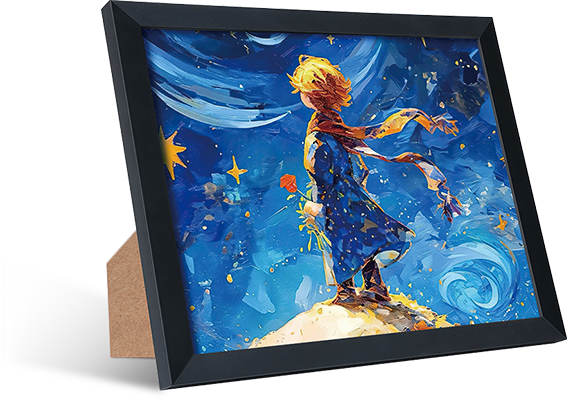
PVC Picture Frame
Sold by brand JinHuan
-
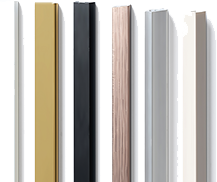
PVC Moulding
Sold by brand JinHuan
-
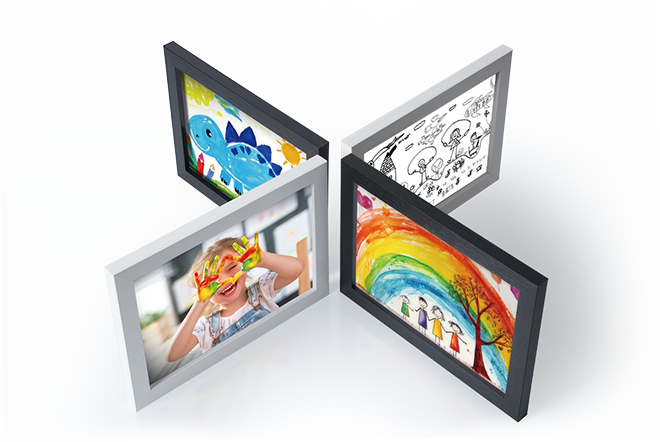
MDF Picture Frame
Sold by brand JinHuan
-
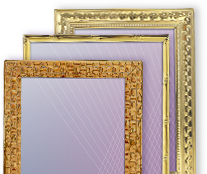
Iron Photo Frame
Sold by brand JinHuan
-
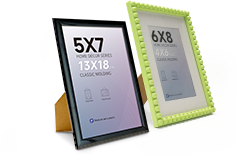
Plastic Injection Frame
Sold by brand JinHuan
-
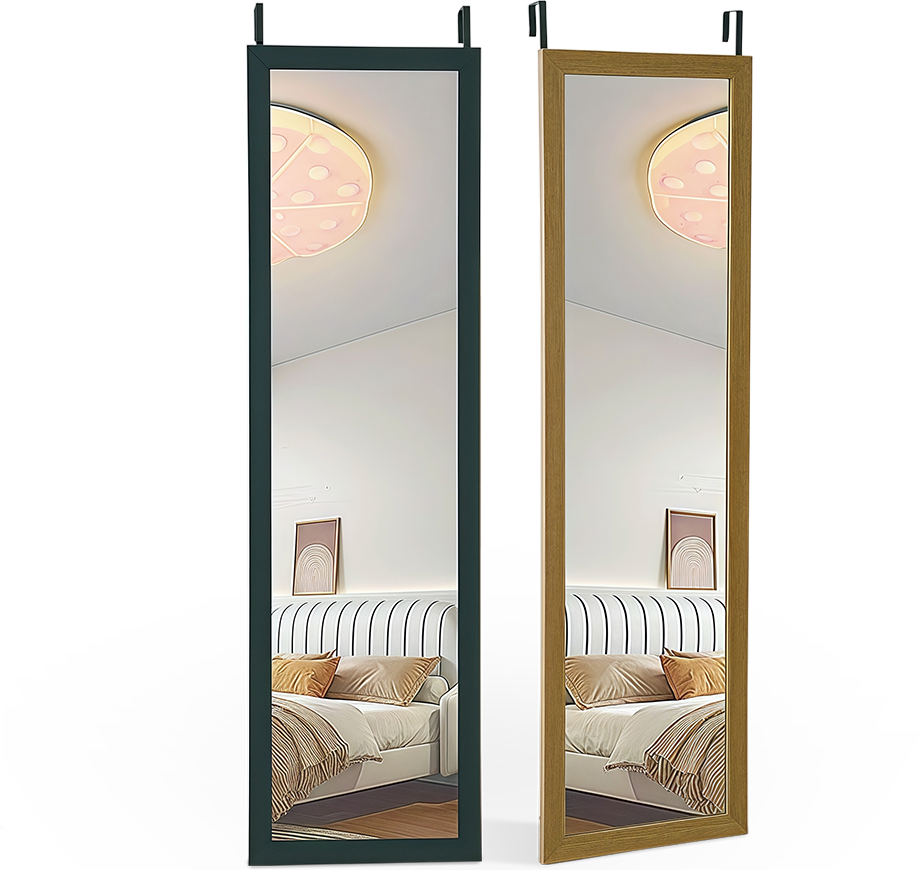
Mirror
Sold by brand JinHuan
-
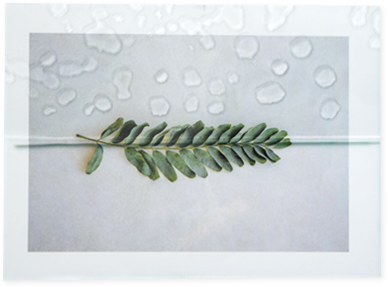
Glass Picture Frame
Sold by brand JinHuan
-
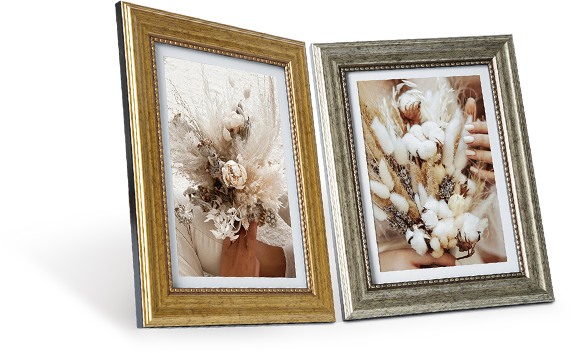
PS Picture Frame
Sold by brand JinHuan
-
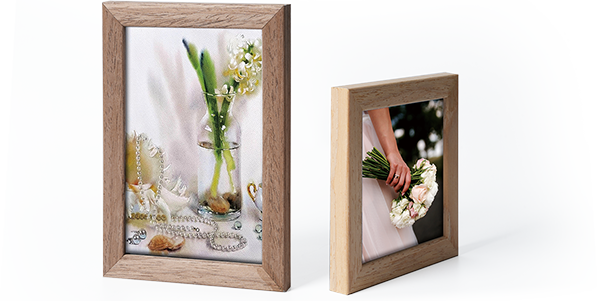
Solid Wood Picture Frame
Sold by brand JinHuan
-
Aluminum Alloy Picture Frame.
Sold by brand JinHuan
Are PS Plastic Picture Frames Still Reliable for Long-Term Photo Display or Just Short-Term Decor

Jinhuan's professional manufacturing solutions empower your premium product production.
The debate around durability and visual stability of plastic-based framing has become more relevant as lightweight décor expands into mainstream interiors. A Customized PS Plastic Picture Frame is widely used due to cost efficiency and design flexibility, yet its long-term behavior continues to raise questions among users who expect gallery-level stability from budget-friendly materials.
Polystyrene-based frames are not inherently fragile in short cycles of use. However, their performance profile changes gradually under environmental exposure, handling frequency, and light conditions, which directly influences whether they are suitable for long-term display or temporary decoration.
Material Behavior Behind PS Frame Performance
Polystyrene (PS), especially high-impact polystyrene (HIPS), is engineered for lightweight structural use rather than archival preservation. It provides good moldability and consistent mass production quality, but its molecular structure limits long-term resistance to environmental stress.
Core material characteristics
- Low density structure enables lightweight wall mounting and easy transport
- Moderate impact absorption reduces breakage risk under light handling
- Limited UV resistance increases discoloration risk over extended exposure
- Thermal sensitivity may soften structure under elevated temperature conditions
Industry comparisons show PS materials are more prone to clouding and yellowing than acrylic or polycarbonate when exposed to prolonged light or aging cycles, reducing visual clarity over time.
Long-Term Visual Changes in Display Conditions
The most noticeable degradation in PS frames is not structural collapse but gradual aesthetic shift. These changes often appear subtle at the beginning and become more obvious after extended indoor exposure.
Typical long-term appearance changes
- Surface clouding reduces transparency and crispness of display
- Color yellowing occurs due to UV and oxidation exposure
- Edge dulling affects perceived frame sharpness
- Micro scratch accumulation changes light reflection behavior
UV exposure plays a central role in polymer degradation, gradually breaking chemical bonds and creating visible discoloration patterns that affect clarity and visual neutrality.
Structural Reliability Under Everyday Use
From a mechanical perspective, PS frames perform adequately in low-stress environments. Reinforced corners and molded joints provide enough rigidity for standard wall hanging, especially in indoor residential or retail displays.
Structural stability factors
- Corner reinforcement design improves resistance to minor impact stress
- Uniform molding process reduces internal weak points
- Lightweight construction reduces wall load pressure
Manufacturing improvements such as controlled molding thickness and reinforced joints help PS frames maintain shape under normal indoor conditions, making them stable for general decorative applications.
Environmental Sensitivity and Long-Term Stability
Environmental exposure is the main factor determining whether a PS frame behaves as a durable display item or a short-cycle décor product. Humidity, sunlight, and temperature fluctuations all influence material aging speed.
Environmental response patterns
- High humidity exposure rarely causes swelling but may affect backing adhesion systems
- Direct sunlight exposure accelerates yellowing and surface degradation
- High temperature environments can soften frame geometry and reduce rigidity
Performance data indicates PS frames maintain dimensional stability within moderate temperature ranges but become vulnerable under prolonged heat or UV stress conditions.
Short-Term vs Long-Term Application Scenarios
Use-case suitability often defines whether PS frames are perceived as reliable or temporary. Their strength lies in affordability and visual variety rather than conservation-grade preservation.
| Application Type | Performance Suitability | Expected Outcome |
| Event decoration | High | Stable appearance during short usage cycles |
| Retail display signage | High | Cost-efficient and visually flexible |
| Home temporary décor | Medium–High | Adequate stability for several years |
| Archival photo preservation | Low | Gradual visual degradation over time |
Plastic frames, including PS variants, are often described as practical but not archival-grade solutions, meaning their design priority leans toward accessibility rather than decades-long conservation performance.
Customization Factor and Market Demand
Customization has expanded PS frame usage significantly. A Customized PS Plastic Picture Frame allows variation in color, profile shape, surface texture, and size without large cost increases, making it attractive for mass décor and branding applications.
Customization advantages
- Flexible profile design supports multiple interior styles
- Rapid production scaling enables bulk decoration projects
- Low material cost variability supports budget installations
This adaptability strengthens PS frames in short-term and mid-term markets but does not fully resolve limitations in aging resistance.
Role Definition of PS Frames in Display Systems
PS plastic frames occupy a specific position in the framing ecosystem: efficient, customizable, and visually adaptable, yet structurally and chemically limited for long-term preservation tasks.
A Customized PS Plastic Picture Frame performs reliably in controlled indoor environments and short- to mid-duration displays. Over extended periods, however, gradual optical and surface changes shift its role from an archival display solution to primarily decorative usage.
This distinction clarifies its true value — not as a permanent preservation medium, but as a flexible design tool for accessible visual presentation.
Your email address will not be published. Required fields are marked *
China Picture Frames Online Factory
Copyright © JinHuan Art & Craft Products Co., Ltd. All Rights Reserved.
