

 English
 Español
 日本語
日本語 عربى
عربى русский
-
PVC Picture Frame
Sold by brand JinHuan

-
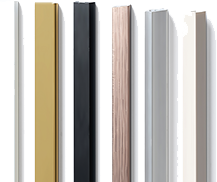
PVC Moulding
Sold by brand JinHuan
-
MDF Picture Frame
Sold by brand JinHuan

-
Iron Photo Frame
Sold by brand JinHuan

-
Plastic Injection Frame
Sold by brand JinHuan

-
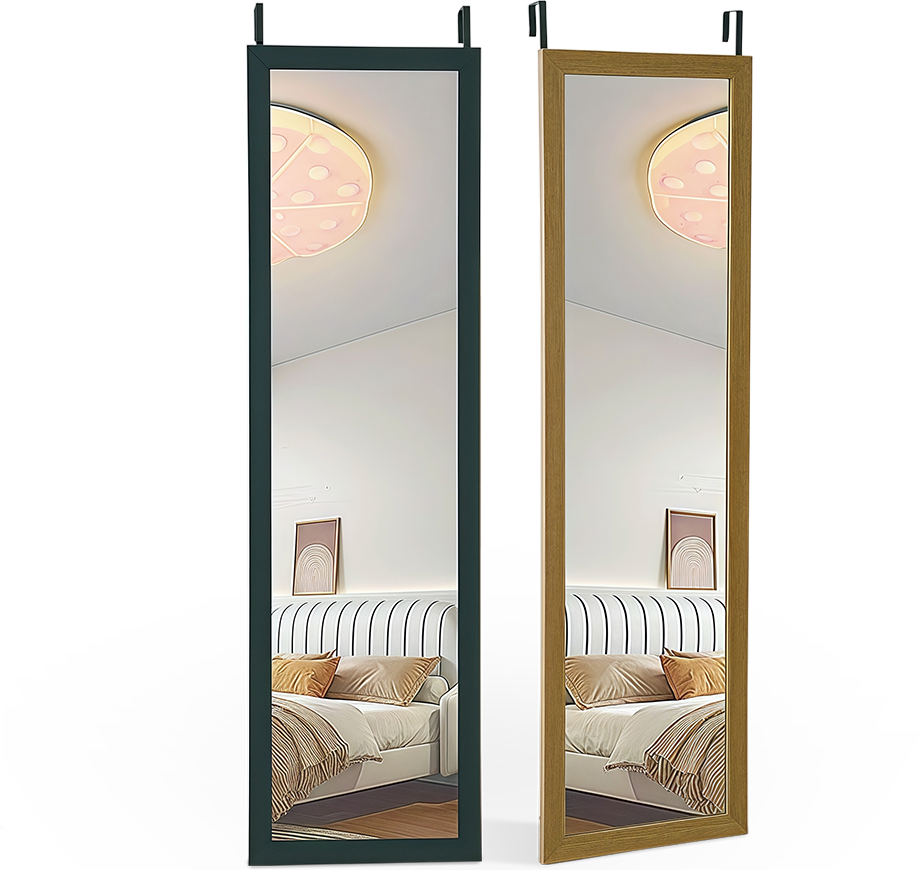
Mirror
Sold by brand JinHuan
-
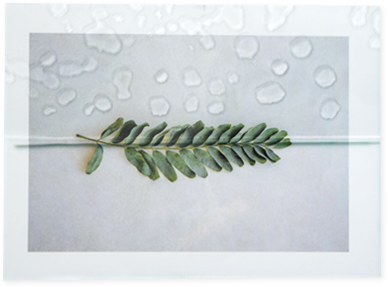
Glass Picture Frame
Sold by brand JinHuan
-
PS Picture Frame
Sold by brand JinHuan

-
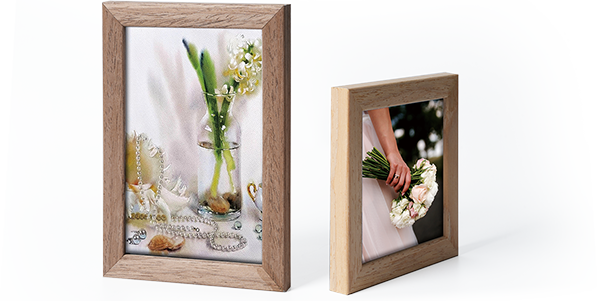
Solid Wood Picture Frame
Sold by brand JinHuan
-
Aluminum Alloy Picture Frame.
Sold by brand JinHuan

How Does Indoor Humidity Change the Appearance of Classical Natural Wood Picture Frames Over Time

Jinhuan's professional manufacturing solutions empower your premium product production.
Indoor humidity is often treated as a background environmental factor, yet its influence on decorative wood products becomes visible slowly and persistently. A Classical Natural Wood Picture Frame responds continuously to moisture in the air, reshaping its surface behavior, joint stability, and even color perception across months and seasons.
Rather than sudden damage, the changes usually appear as gradual visual shifts — subtle warping, softened edges, and altered grain contrast. These effects accumulate as the wood attempts to reach equilibrium with fluctuating indoor conditions.
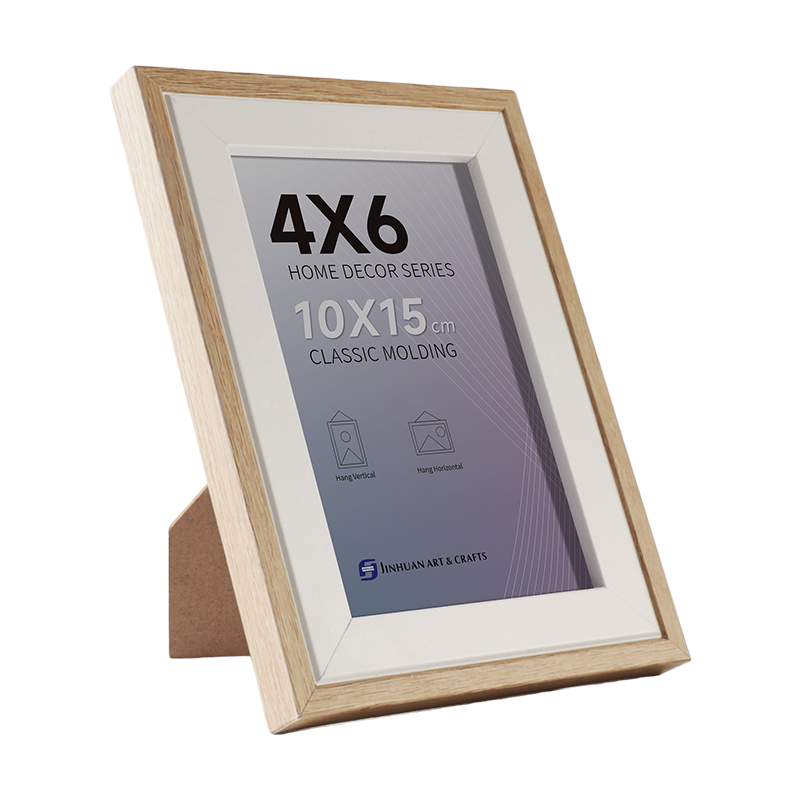
Moisture Exchange and Wood Surface Transformation
Wood is hygroscopic, meaning it absorbs and releases moisture depending on surrounding air conditions. This exchange directly influences how a picture frame looks and behaves indoors.
Core moisture-driven changes
- Swelling of frame edges during high humidity periods
- Shrinkage gaps at joints during dry indoor heating seasons
- Surface tension shifts affecting paint or lacquer finish texture
- Micro movement of frame corners altering squareness over time
Research on wood behavior shows that dimensional change occurs primarily across grain direction, not along length, which explains why long frame sides remain visually stable while corners and joints show movement first.
Seasonal Humidity Cycles and Visual Aging
Indoor environments rarely maintain constant humidity. Heating systems, air conditioning, and seasonal weather shifts create cycles that continuously stress wooden structures.
Visual changes across humidity seasons
- Winter dryness produces slight inward contraction and visible joint lines
- Summer humidity expands fibers, softening edge definition
- Rapid fluctuation periods accelerate uneven surface movement
- Long-term imbalance may shift frame geometry subtly off-square
Studies on hygroscopic materials confirm that wood continuously adjusts toward equilibrium moisture content with surrounding air, meaning every seasonal cycle contributes to cumulative physical change rather than temporary movement.
Appearance Changes in Grain and Surface Finish
Humidity does not only affect structure; it also alters visual perception. Grain patterns, surface gloss, and color tone all respond to moisture variation in indirect but noticeable ways.
Surface-level visual effects
- Grain contrast fluctuation due to fiber expansion and light scattering changes
- Finish dulling or gloss shift under high moisture absorption
- Color deepening during humid conditions as wood fibers swell
- Slight surface waviness under uneven moisture distribution
Even sealed or coated wood is not fully isolated from atmospheric moisture. Protective finishes slow the exchange rate but cannot completely prevent it, allowing gradual visual evolution over time.
Structural Movement and Frame Geometry Distortion
A picture frame relies on precise right angles and consistent internal spacing. Humidity-related movement introduces small geometric shifts that become more visible in classical natural wood designs with minimal industrial reinforcement.
| Humidity Condition | Frame Response | Visible Effect Level |
| 30% RH or below | Wood contraction across grain | Corner gaps, slight separation at joints |
| 40%–55% RH | Dimensional stability zone | Minimal visible change |
| 55%–65% RH | Gradual expansion of fibers | Tight joints, softened edges |
| Above 65% RH | Accelerated swelling behavior | Frame misalignment, surface distortion |
The imbalance occurs because different sections of wood react at different speeds, creating internal stress that slowly redistributes across the frame structure.
Long-Term Aging Characteristics in Natural Wood Frames
Unlike synthetic materials, natural wood continues to evolve after installation. This aging process is not purely cosmetic; it reflects ongoing adaptation to indoor climate conditions.
Progressive changes over extended use
- Edge softening from repeated expansion-contraction cycles
- Micro-crack formation in finish layers under repeated stress
- Subtle joint loosening in older assembly structures
- Surface patina development influenced by humidity and air exposure
Research indicates repeated humidity cycling can even reduce the magnitude of future dimensional response in wood, a phenomenon sometimes described as hygroscopic aging. This means older frames may move less dramatically than newly manufactured ones, though visible aging continues.
Environmental Control and Visual Stability
Indoor climate stability plays a decisive role in preserving the original appearance of wooden frames. Instead of eliminating movement, controlled environments reduce the amplitude of change.
Stability factors affecting frame appearance
- Consistent indoor RH range (around 40–55%)
- Avoidance of rapid HVAC cycling
- Distance from heat sources or vents
- Balanced room ventilation
Without such controls, even well-crafted frames will gradually reflect environmental history through their evolving appearance.
Humidity as a Slow Design Modifier
Humidity acts as an invisible shaping force on wooden décor rather than a sudden damaging factor. A Classical Natural Wood Picture Frame continuously interacts with indoor air, responding through expansion, contraction, and surface adaptation.
Over time, these small movements accumulate into visible changes in geometry and surface character. The frame becomes a record of its environment — not static décor, but a material quietly synchronizing with the space it inhabits.
Your email address will not be published. Required fields are marked *
China Picture Frames Online Factory
Copyright © JinHuan Art & Craft Products Co., Ltd. All Rights Reserved.
