Industry News
Home / News / Industry News / Are PVC Frames Really Safe for Long-Term Display

Are PVC Frames Really Safe for Long-Term Display


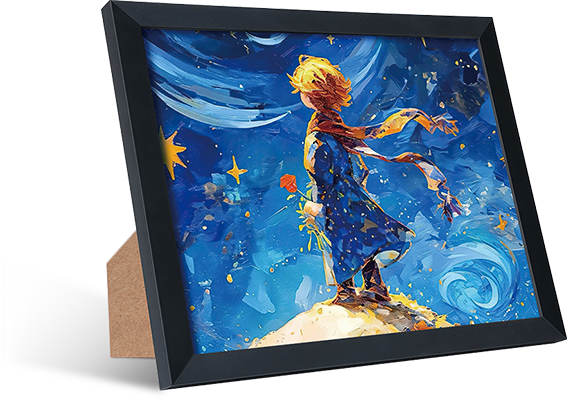
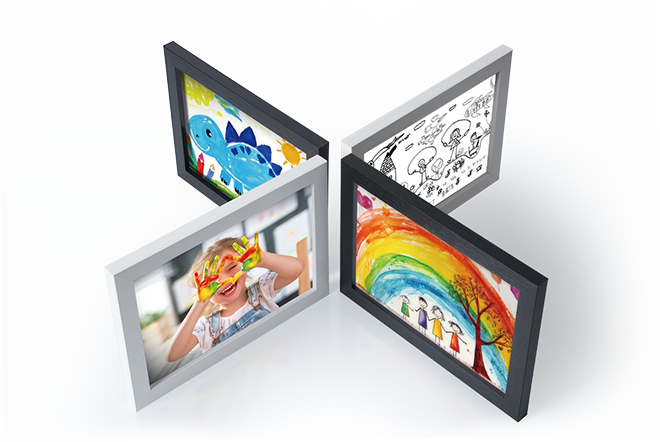
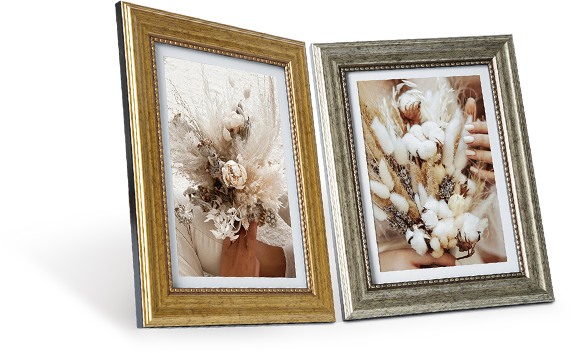
PVC Photo Frame products are widely used in home décor, retail displays, and promotional printing because of their low cost and design flexibility. Yet concerns about long-term safety and material stability continue to appear among buyers, especially those planning to keep printed photos or artwork displayed for years in indoor environments.

The discussion is not only about appearance. Material aging, chemical stability, and indoor air interaction all play roles in how a PVC-based frame performs over time. Compared with metal options such as Aluminum Alloy Photo Frame products, PVC behaves more like a chemically engineered polymer system that slowly changes under environmental influence rather than a static material.

Chemical structure and stability behavior

PVC (polyvinyl chloride) contains chlorine within its molecular backbone, which contributes to its rigidity and resistance to moisture. Rigid PVC used in framing applications generally has fewer plasticizers than flexible vinyl products, improving structural stability in normal indoor conditions.

However, long-term behavior depends heavily on formulation quality:

  • Stabilizers control resistance against heat and UV exposure
  • Plasticizer content influences flexibility and surface feel
  • Fillers such as calcium carbonate affect density and opacity

Research shows that deterioration in PVC often begins at the surface layer through gradual dehydrochlorination, forming brittle and discolored regions over extended exposure periods . This process is slow indoors but becomes more visible under sunlight exposure or fluctuating temperature conditions.

Indoor air quality and material interaction

PVC Photo Frame materials are generally considered stable in indoor decorative use, but surface emissions and additive migration remain part of long-term evaluation.

Key considerations include:

  • Plasticizer migration can occur gradually in certain formulations
  • Surface aging may result in minor gloss changes over time
  • Dust accumulation can interact with softened surface layers

Flexible PVC systems are more prone to additive movement, while rigid decorative frames exhibit lower migration rates. Studies on plasticized PVC show that loss of stabilizing components can influence discoloration and surface texture changes over extended aging periods .

Indoor conditions such as stable humidity and limited heat exposure significantly slow these processes, making typical residential or office environments relatively favorable for long-term display use.

UV exposure and visible aging patterns

Sunlight remains the most influential external factor affecting PVC frames. Even indirect daylight near windows can gradually alter surface appearance.

Common aging patterns include:

  • Slight yellowing on sun-facing edges
  • Reduction in surface gloss after prolonged exposure
  • Localized brittleness near illuminated zones

UV radiation triggers chemical chain reactions that alter polymer structure, affecting both aesthetics and mechanical flexibility . While structural integrity is not immediately compromised, visual changes become noticeable earlier than functional degradation.

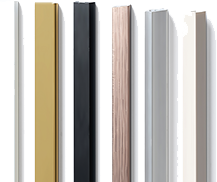
Compared with Aluminum Alloy Photo Frame products, PVC tends to show color variation differently: aluminum may shift tone based on coating consistency, while PVC changes are more related to molecular breakdown rather than surface layer differences.

Long-term display performance expectations

Real-world performance of PVC framing materials depends more on environment than on the base material alone. Controlled indoor settings can extend usability significantly.

Typical influencing factors include:

  • Distance from direct sunlight sources
  • Stability of room temperature
  • Frequency of cleaning and surface contact
  • Quality of extrusion and molding process

Rigid PVC used in decorative framing can remain visually acceptable for extended periods in low-exposure environments. However, decorative PVC panels in high-light areas may show dulling or faint color shift earlier than expected.

Observations from polymer durability studies indicate that surface degradation remains shallow in depth but visually apparent over time due to oxidation effects concentrated near the exterior layer.

Comparison with alternative frame materials

Material choice often depends on balancing appearance stability, cost, and structural behavior.

  • Aluminum Alloy Photo Frame: stable structure, potential batch color variation due to anodizing response differences
  • PVC Photo Frame: lightweight and cost-efficient, gradual surface aging under UV exposure
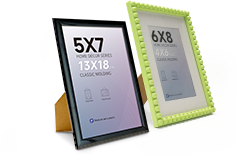
  • PVC Pictures Frame: similar chemical behavior with variation depending on surface texture and coating
  • PS Photo Frame Manufacturer products: rely more on coating quality to achieve premium visual effects

Each material responds differently to aging. PVC maintains structural shape well but gradually changes surface appearance, while metal frames maintain visual consistency but depend on finishing process control.

Practical usage considerations

Users typically achieve better long-term results by focusing on environmental control rather than material substitution alone.

Recommended usage strategies include:

  • Position frames away from direct window light paths
  • Avoid high-temperature zones such as radiators or heat vents
  • Use consistent indoor humidity levels to reduce surface stress
  • Clean with non-abrasive materials to avoid micro-scratches

PVC frames used in controlled indoor environments often perform adequately for general decorative applications, while archival or gallery-level display requirements may favor more stable composite or metal-based systems.


Contact Us

Your email address will not be published. Required fields are marked *