

 English
 Español
 日本語
日本語 عربى
عربى русский
-
PVC Picture Frame
Sold by brand JinHuan

-
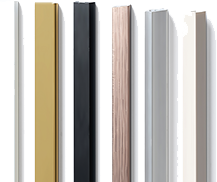
PVC Moulding
Sold by brand JinHuan
-
MDF Picture Frame
Sold by brand JinHuan

-
Iron Photo Frame
Sold by brand JinHuan

-
Plastic Injection Frame
Sold by brand JinHuan

-
Mirror
Sold by brand JinHuan

-
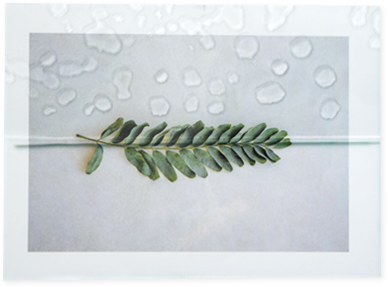
Glass Picture Frame
Sold by brand JinHuan
-
PS Picture Frame
Sold by brand JinHuan

-
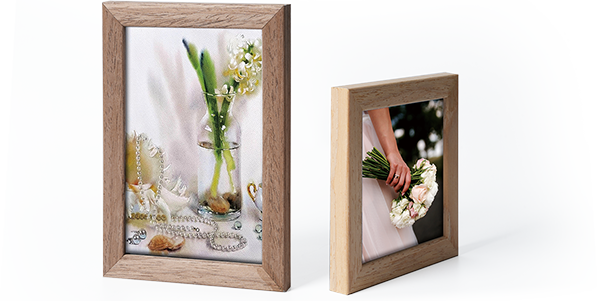
Solid Wood Picture Frame
Sold by brand JinHuan
-
Aluminum Alloy Picture Frame.
Sold by brand JinHuan

Can Aluminum Frames Stay Color Consistent Across Batches

Jinhuan's professional manufacturing solutions empower your premium product production.
Aluminum Alloy Photo Frame production has expanded rapidly in global décor and display markets, yet color stability across different manufacturing runs remains a frequent concern for buyers. Even small differences in extrusion source, surface treatment, or finishing method can produce visible shifts in tone. This issue becomes more obvious in modern interior design, where uniform metallic finishes are expected across multiple frames displayed together.
PVC Photo Frame and other polymer-based alternatives are often compared against aluminum for visual stability, but metal frames introduce their own set of variables that are not always obvious at the procurement stage. Among them, alloy composition and anodizing control play the most decisive role.

Alloy composition influences final tone
Aluminum alloys do not respond uniformly to finishing processes. Even within commonly used series such as 6063 and 6061, slight variations in magnesium, silicon, and trace elements affect surface reaction during oxidation and coating.
- 6063 extrusion alloys are widely preferred for decorative frames due to smoother surface response
- 6061 grades offer higher structural strength but may show subtle tonal shifts after finishing
- Recycled aluminum content can introduce micro-impurities that influence reflectivity
Industry studies show that anodized surfaces may shift from deep black to bronze-gray depending on alloy chemistry alone, even under identical process conditions .
This means two Aluminum Alloy Photo Frame products that appear identical before finishing can diverge once surface treatment is applied.
Surface treatment creates visible variation
Two frames made from the same alloy can still look different after finishing due to processing differences. The most common surface treatments include anodizing and powder coating, each reacting differently with base metal structure.
- Anodizing builds an oxide layer directly from the aluminum surface
- Dye absorption depends on pore structure formed during oxidation
- Powder coating covers the surface, masking alloy influence but adding thickness variation
Anodizing is particularly sensitive because the coating grows from the substrate itself rather than sitting on top of it. This makes alloy differences visually amplified instead of hidden .
As a result, Aluminum Alloy Photo Frame batches produced months apart may show slight but noticeable tone shifts, especially under uniform lighting in retail or gallery environments.
Batch-to-batch extrusion variation is often underestimated
Even within the same alloy grade, extrusion batches rarely remain identical. Differences come from:
- Melting furnace conditions
- Cooling rates during billet formation
- Slight variations in silicon and magnesium distribution
- Recycled material ratios in production feedstock
These micro-variations influence how the metal reacts during oxidation and coating. A frame produced in one production cycle may reflect light differently compared to another batch, even if both are labeled as the same alloy specification.
This is one reason professional architectural suppliers often request “same-lot” extrusion orders for projects requiring strict visual consistency.
Finishing line controls are limited by physics
Manufacturers can regulate chemical bath concentration, temperature, and immersion time during anodizing, but cannot fully override material behavior. The metal itself determines reaction limits.
Key constraints include:
- Temper condition differences affecting oxide growth speed
- Surface roughness altering light reflection patterns
- Load positioning inside anodizing tanks creating slight exposure variation
Even tightly controlled industrial systems acknowledge that absolute color uniformity across different alloys is difficult to achieve in real production environments .
This explains why two Aluminum Alloy Photo Frame sets from different suppliers may never perfectly match under identical color codes.
Why design expectations and reality often differ
Modern consumers expect metallic frames to behave like digitally defined colors—consistent, repeatable, and standardized. However, aluminum finishing behaves more like a controlled natural process than a purely engineered coating system.
Common mismatches include:
- Matte black appearing slightly warmer or cooler across batches
- Brushed silver reflecting light differently depending on grain direction
- Satin finishes shifting brightness under daylight versus indoor lighting
PVC picture frames avoid some of these issues because pigment is embedded in polymer resin, but they introduce different trade-offs such as surface aging and gloss loss over time.
Practical production strategies used in industry
Manufacturers aiming to reduce inconsistency typically apply a combination of controls rather than relying on a single solution.
- Locking all profiles to one extrusion supplier per project
- Using identical alloy lots across full production runs
- Standardizing surface pre-treatment (polishing, sandblasting, or brushing)
- Matching anodizing parameters to certified reference samples
Some producers also introduce controlled visual grading, where frames are sorted after finishing to ensure adjacent pieces in a shipment fall within an acceptable tone range.
This approach does not eliminate variation, but it reduces visible mismatch in assembled wall displays.
Material comparison perspective
Compared with Aluminum Alloy Photo Frame products, PVC Photo Frame and PVC Pictures Frame options behave differently under aging conditions:
- PVC maintains pigment consistency but may lose surface gloss over time
- Aluminum retains structural stability but can show subtle batch tone differences
- PS Photo Frame Manufacturer products often focus on coating rather than substrate behavior
Each material solves one set of visual challenges while introducing another, making selection dependent on application rather than a universal “better” choice.
Your email address will not be published. Required fields are marked *
China Picture Frames Online Factory
Copyright © JinHuan Art & Craft Products Co., Ltd. All Rights Reserved.
