

 English
 Español
 日本語
日本語 عربى
عربى русский
-
PVC Picture Frame
Sold by brand JinHuan

-
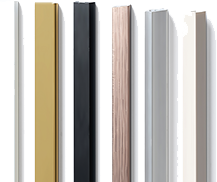
PVC Moulding
Sold by brand JinHuan
-
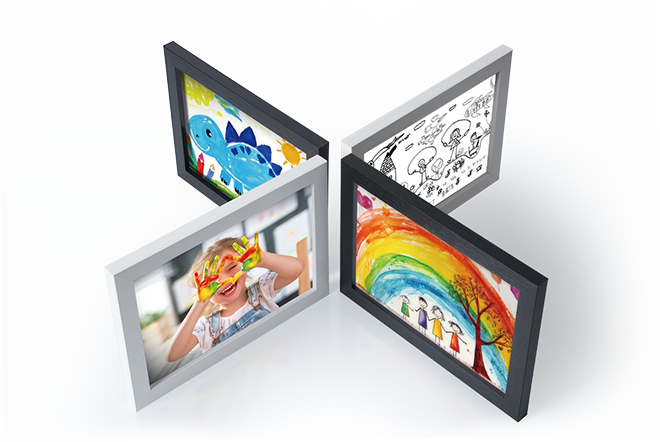
MDF Picture Frame
Sold by brand JinHuan
-
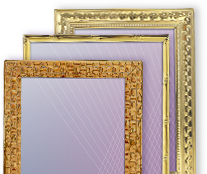
Iron Photo Frame
Sold by brand JinHuan
-
Plastic Injection Frame
Sold by brand JinHuan

-
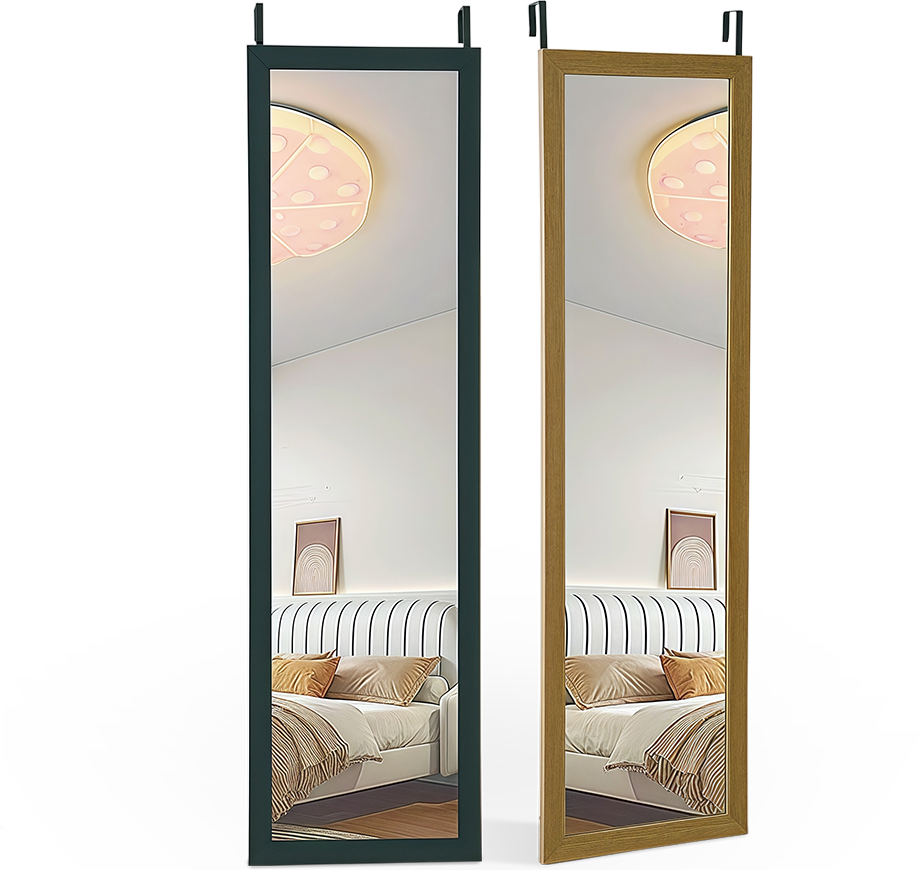
Mirror
Sold by brand JinHuan
-
Glass Picture Frame
Sold by brand JinHuan

-
PS Picture Frame
Sold by brand JinHuan
-
Solid Wood Picture Frame
Sold by brand JinHuan
-
Aluminum Alloy Picture Frame.
Sold by brand JinHuan

Does MDF Wooden Photo Frame Structure Offer Better Stability Than Solid Wood in Daily Home Use

Jinhuan's professional manufacturing solutions empower your premium product production.
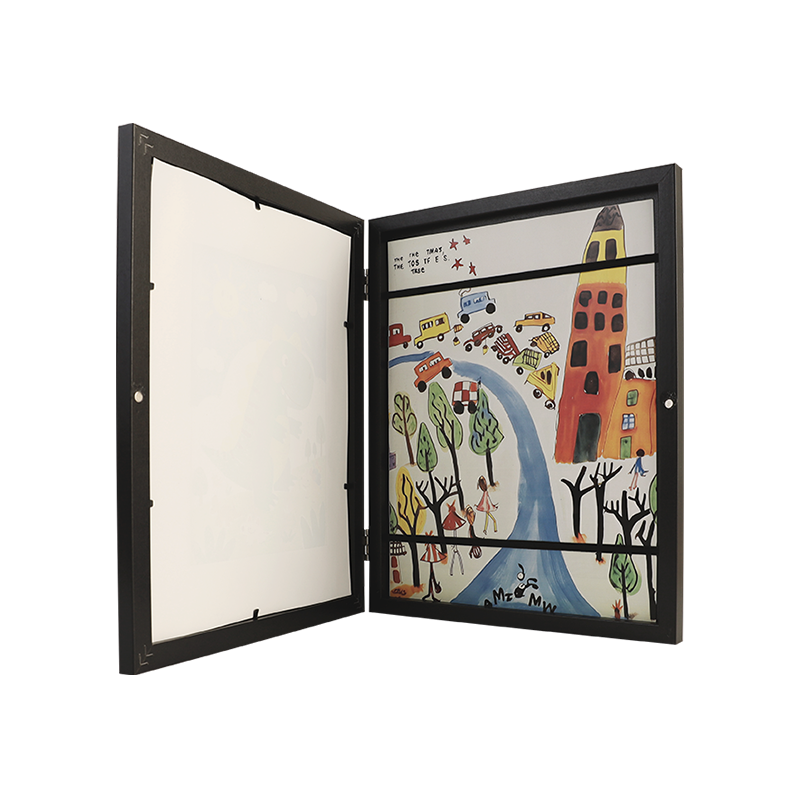
Material choice in home décor framing is no longer just about appearance. A MDF Wooden Photo Frame is often positioned as a practical alternative to traditional timber, especially in modern interiors where uniform finish and cost control matter. Solid wood, on the other hand, carries a reputation for natural strength and long service life. The stability comparison between these two materials is more nuanced than a simple “better or worse” judgment.
Daily home use introduces mixed stress conditions: seasonal humidity shifts, wall vibration, sunlight exposure, and repeated handling during cleaning or rearrangement. These factors reveal different structural behaviors in MDF and solid wood over time.
Dimensional Stability: MDF vs Solid Wood Behavior
The most important difference lies in how each material reacts to environmental moisture. MDF is engineered from compressed wood fibers and resin, creating a uniform internal structure. Solid wood retains natural grain direction, which strongly influences movement.
Core stability characteristics
- MDF structure shows minimal directional movement under normal indoor humidity
- Solid wood structure expands and contracts across grain lines
- MDF frames maintain flatter surface geometry in controlled environments
- Solid wood frames better tolerate long-term seasonal cycling without irreversible swelling
Technical comparisons show MDF’s isotropic structure reduces warping risk in flat panel applications, while solid wood’s anisotropic nature requires careful joinery to accommodate movement over time.
Structural Strength in Daily Handling
Stability is not only about shape retention but also about how frames respond to physical interaction—wall mounting pressure, photo replacement, and accidental impact.
Load response differences
- Solid wood frames hold fasteners more securely due to continuous grain fiber structure
- MDF frames distribute internal density evenly but may weaken at screw points over repeated stress cycles
- Solid wood joints can be repaired and re-tightened over long service life
- MDF joints depend heavily on adhesive bonding rather than mechanical fiber strength
Solid wood’s fiber continuity provides stronger mechanical anchoring, especially in corner joints that carry the weight of glass and backing boards.
Humidity Response and Long-Term Shape Retention
Indoor humidity cycles influence both materials differently. The contrast becomes more visible over months rather than days.
| Condition | MDF Wooden Photo Frame | Solid Wood Frame |
| Low humidity (dry heating season) | Stable geometry, minimal shrinkage | Minor contraction across grain |
| Moderate indoor humidity | High dimensional consistency | Balanced expansion behavior |
| High humidity exposure | Edge swelling risk if unsealed | Gradual expansion with recovery after drying |
| Long-term cycling | Surface coating fatigue possible | Structural adaptation through repeated movement |
MDF is often described as dimensionally stable because it lacks grain direction, reducing warping under normal indoor fluctuations. Solid wood, however, reacts dynamically and may return closer to its original shape after environmental normalization.
Weight, Rigidity, and Wall Stability
Daily home use also involves mounting safety and ease of handling. Weight distribution plays a direct role in installation stability.
Practical handling differences
- MDF frames are often heavier in dense configurations, increasing wall anchor load
- Solid wood frames vary in weight depending on species but often provide better stiffness-to-weight balance
- MDF panels maintain flatness across large surfaces
- Solid wood pieces may slightly twist over long spans without reinforcement
From a stability standpoint, MDF performs well in maintaining flat, uniform surfaces, while solid wood excels in resisting structural fatigue under repeated mechanical load.
Surface Durability and Aesthetic Stability
Appearance stability is often as important as structural stability in home décor contexts.
Visual aging patterns
- MDF frames rely on coatings or laminates that may chip at edges over time
- Solid wood frames develop natural patina and can be refinished
- MDF surfaces maintain consistent color until coating wear begins
- Solid wood surfaces show grain variation that becomes more pronounced with age
Solid wood offers higher repair potential, while MDF relies more on surface integrity to maintain appearance.
Long-Term Use Perspective in Home Environments
Daily home environments rarely expose frames to extreme stress, which means both materials can function effectively within their design limits. The key difference lies in how each material handles accumulated time.
An MDF Wooden Photo Frame generally provides strong dimensional consistency and clean visual uniformity, making it suitable for modern interiors and mass display setups. Solid wood frames deliver stronger long-term repairability and better mechanical resilience across decades of use.
Industry comparisons indicate MDF performs well in maintaining flatness, while solid wood offers superior longevity in structural and restorative potential.
Stability Depends on Definition
The question of stability does not produce a single winner. MDF and solid wood achieve stability through different mechanisms.
MDF prioritizes dimensional consistency and surface uniformity, reducing visible deformation under everyday indoor conditions. Solid wood prioritizes structural endurance and long-term adaptability, maintaining usability even after years of environmental cycling.
In daily home use, the more stable option depends on whether stability is defined as shape retention over short cycles or durability across long restoration-friendly lifespans.
Your email address will not be published. Required fields are marked *
China Picture Frames Online Factory
Copyright © JinHuan Art & Craft Products Co., Ltd. All Rights Reserved.
