

 English
 Español
 日本語
日本語 عربى
عربى русский
-
PVC Picture Frame
Sold by brand JinHuan

-
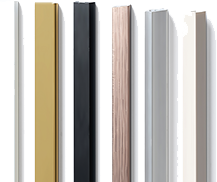
PVC Moulding
Sold by brand JinHuan
-
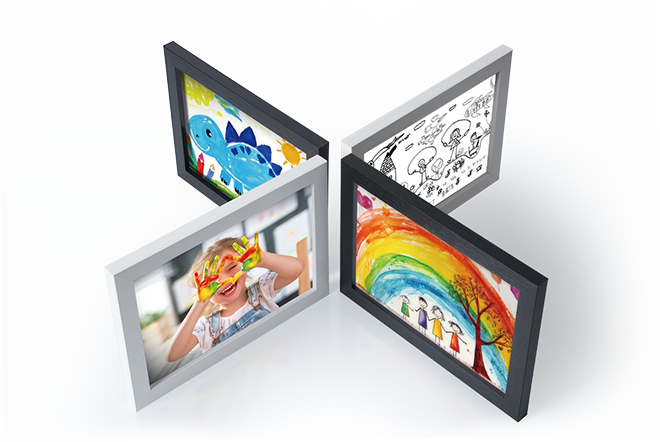
MDF Picture Frame
Sold by brand JinHuan
-
Iron Photo Frame
Sold by brand JinHuan

-
Plastic Injection Frame
Sold by brand JinHuan

-
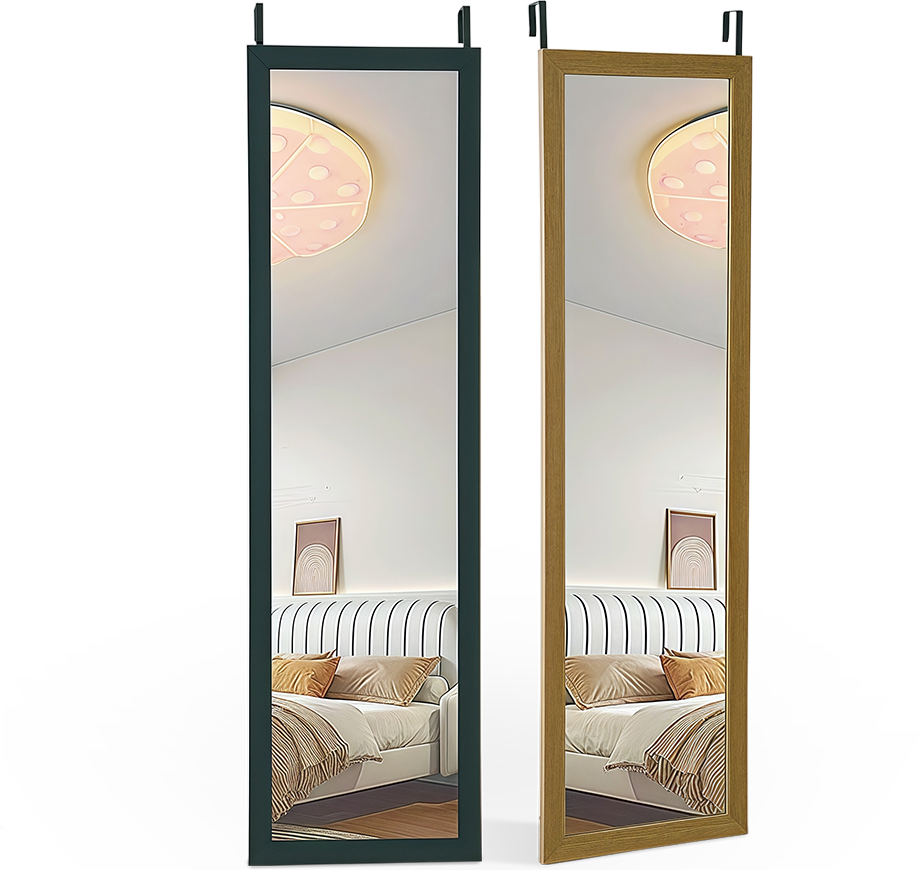
Mirror
Sold by brand JinHuan
-
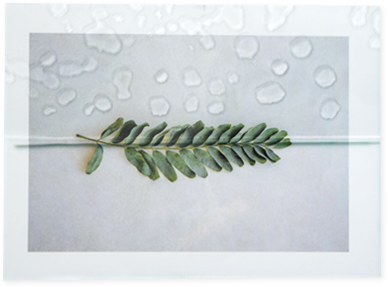
Glass Picture Frame
Sold by brand JinHuan
-
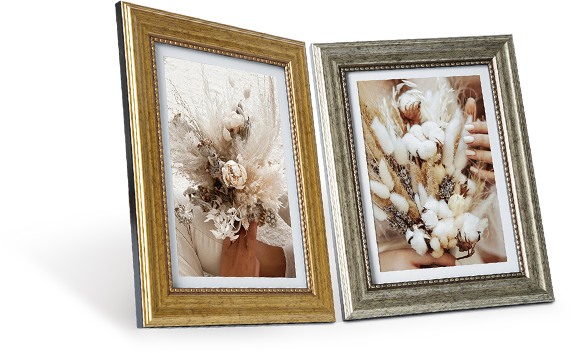
PS Picture Frame
Sold by brand JinHuan
-
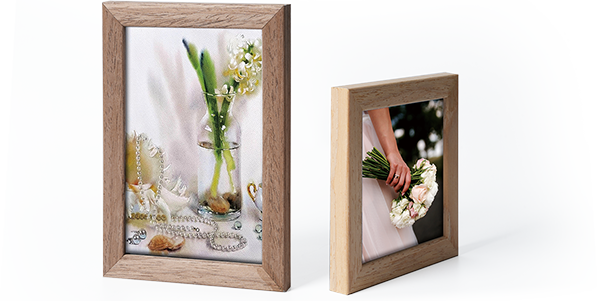
Solid Wood Picture Frame
Sold by brand JinHuan
-
Aluminum Alloy Picture Frame.
Sold by brand JinHuan

How Affordable are Cheap Picture Frames?

Jinhuan's professional manufacturing solutions empower your premium product production.
While cheap picture frames, typically those made from plastic, low-grade wood composites, or thin metals, present a low financial barrier to entry, a comprehensive assessment of their affordability requires a broader analysis. True affordability encompasses not only the purchase price but also the longevity of the product, the costs associated with its limitations, and its functional effectiveness. Evaluating cheap picture frames through this multi-faceted lens reveals a more complex economic picture than the price tag alone suggests.
Part 1: The Immediate Financial Outlay
The most direct and apparent aspect of affordability is the initial cost, which is where cheap picture frames are most compelling.
1.1. Low Unit Price and Accessibility
The primary advantage of cheap picture frames is their low per-unit cost. They are widely available in multipacks, allowing consumers to frame a large number of photographs or posters for a modest sum. This makes them accessible for projects with limited budgets, such as decorating a student dormitory, creating temporary displays for an event, or framing children's artwork where frequent rotation is expected.
1.2. Cost of Standardization
To achieve this low price, manufacturers rely on standardization. Frames are produced in a limited range of sizes, colors, and styles. This means that consumers with non-standard artwork or specific aesthetic desires may find the selection limiting. The affordability, therefore, is contingent upon the consumer's needs aligning with the constrained offerings of the mass market.
Part 2: The Hidden Costs of Materials and Construction
The low purchase price is a direct result of material and manufacturing choices that often incur hidden costs over time.
2.1. Susceptibility to Physical Damage
Frames made from polystyrene or thin, unfinished wood composites are prone to cracking, chipping, and warping. A warped frame will not hang properly and can place pressure on the glass and artwork. The cost of replacing a damaged frame, while low on its own, becomes a recurring expense, effectively multiplying the initial affordability over the long term.
2.2. Degradation of Appearance
The finishes on cheap frames—whether a simulated wood grain on plastic or a thin veneer on composite wood—are often unstable. They can fade when exposed to sunlight or become sticky and discolored over time due to off-gassing of the materials. This degradation necessitates replacement for aesthetic reasons long before the frame's structural life has ended, representing a hidden cost in maintaining a desired appearance.
2.3. Inadequate Protective Components
The materials included with the frame often contribute to its limitations. These frames frequently come with thin, easily scratched plastic "glass" (acrylic or polystyrene) instead of more durable acrylic or actual glass. They may also include acidic cardboard backing boards. Over time, acids from the backing can migrate to the artwork, causing yellowing and permanent damage. The potential cost of restoring or replacing a damaged print must be considered part of the frame's total cost of ownership.
Part 3. Longevity and Functional Durability
Affordability is intrinsically linked to product lifespan. A product that requires frequent replacement is less affordable than a more durable alternative, even at a higher initial price.
3.1. Short-Term vs. Long-Term Utility
Cheap picture frames serve a clear purpose for short-term, low-stakes display. For a temporary office, a one-time party, or a child's rotating art gallery, their limited lifespan is acceptable. However, for framing items of sentimental or monetary value intended for long-term display, their lack of durability makes them a less economical choice. The need to replace a frame every few years undermines the initial savings.
3.2. Failure of Joinery and Hardware
The construction methods used in inexpensive frames are often a point of failure. Plastic tabs instead of proper spring clips hold the backing in place, and these can break easily during cleaning or rearrangement. The corner joints of composite wood frames may be glued with weak adhesives and can separate. The included hanging hardware is often thin wire or lightweight sawtooth hangers that can fail, the frame falling and breaking
JinHuan Art & Craft Products Co., Ltd. is located in Lanxi, a historic commercial hub in southern China, close to Shanghai Port and Ningbo Port. Specializing in the production of PVC photo frames, picture frames, and frame moldings, as well as PS frame moldings, photo frames, and picture frames.
Your email address will not be published. Required fields are marked *
China Picture Frames Online Factory
Copyright © JinHuan Art & Craft Products Co., Ltd. All Rights Reserved.
