

 English
 Español
 日本語
日本語 عربى
عربى русский
-
PVC Picture Frame
Sold by brand JinHuan

-
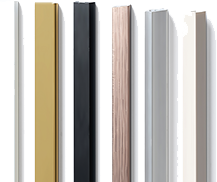
PVC Moulding
Sold by brand JinHuan
-
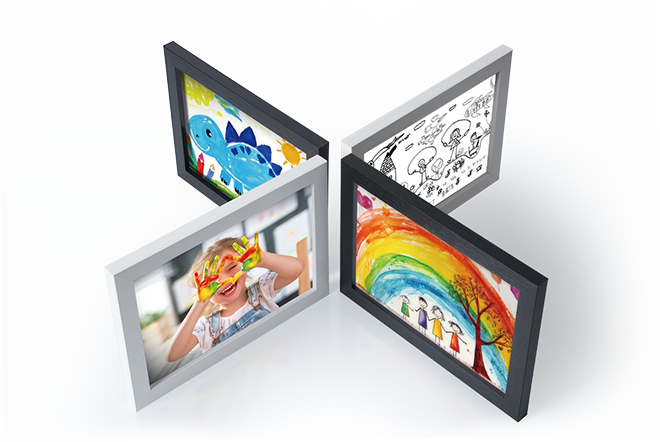
MDF Picture Frame
Sold by brand JinHuan
-
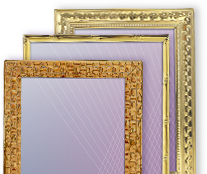
Iron Photo Frame
Sold by brand JinHuan
-
Plastic Injection Frame
Sold by brand JinHuan

-
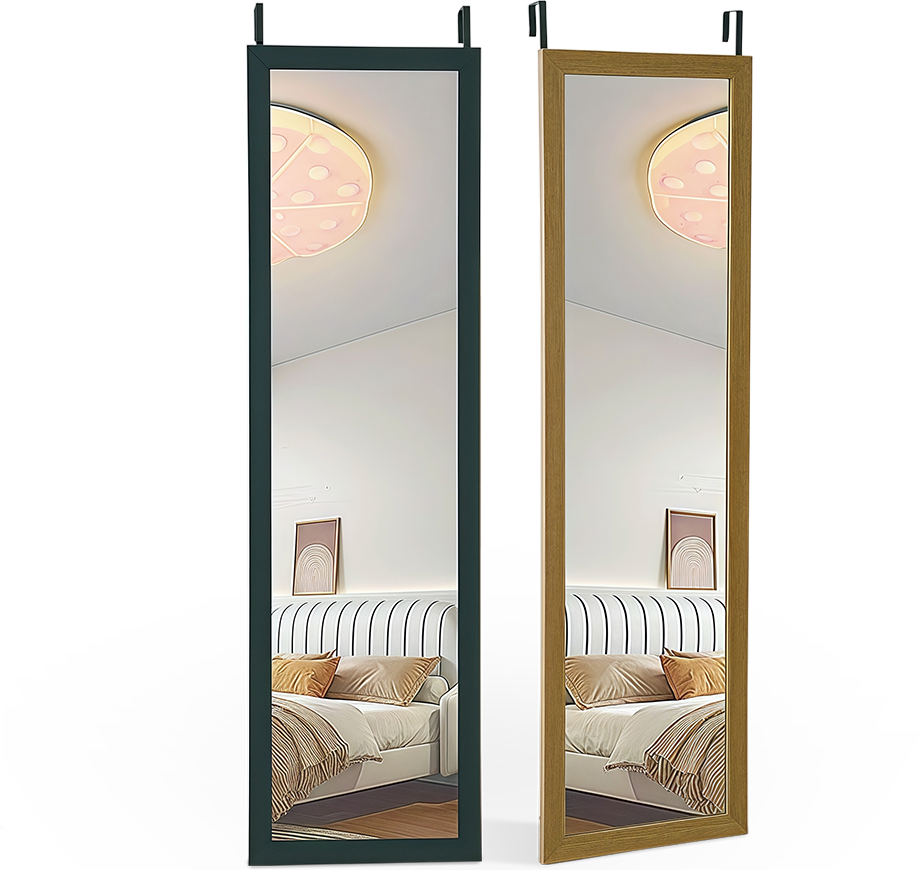
Mirror
Sold by brand JinHuan
-
Glass Picture Frame
Sold by brand JinHuan

-
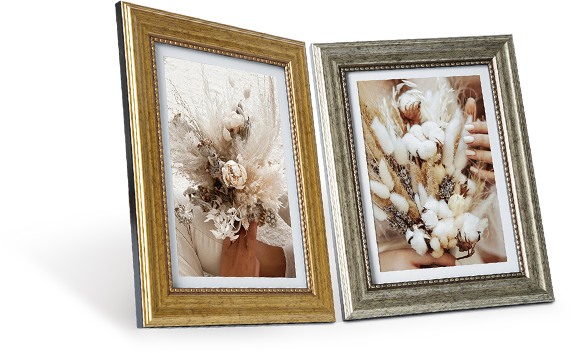
PS Picture Frame
Sold by brand JinHuan
-
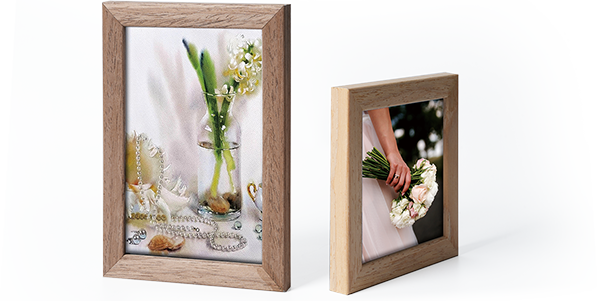
Solid Wood Picture Frame
Sold by brand JinHuan
-
Aluminum Alloy Picture Frame.
Sold by brand JinHuan

How Can Large Picture Frames Be Distinguished from Others?

Jinhuan's professional manufacturing solutions empower your premium product production.
Material and Construction
The material and construction of a frame significantly influence its durability, weight, and overall suitability for larger artworks. Large picture frames require careful consideration because the added size creates greater stress on the frame and the artwork it holds.

Reinforced Materials: Large frames are typically made from reinforced wood, metal, or composite materials to provide adequate strength and prevent warping. Standard frames often use lighter materials, such as simple wood or plastic, which may suffice for smaller sizes but could fail to support a larger piece. For instance, a wooden frame for a large painting may include additional internal supports or thicker wood to ensure stability.
Corner and Joint Construction: The construction of the frame corners is critical for maintaining the shape and integrity of large frames. Larger frames may use reinforced corner brackets, mitered joints with glue and fasteners, or metal supports to prevent the frame from separating under the weight of the glass or artwork. Smaller frames can rely on simpler joinery methods without the risk of structural failure.
Glass or Acrylic Panels: Large frames often use tempered glass or thick acrylic sheets to protect the artwork while maintaining structural integrity. The weight of these panels is significant, so the frame must be built to accommodate them. Smaller frames can often use standard glass, which would be insufficient for larger formats due to the increased risk of breakage.
Design and Aesthetic Impact
The design and visual impact of large picture frames differ markedly from smaller frames. Large frames interact with the space in ways that affect the viewer’s perception and the presentation of the artwork.
Proportional Borders and Moldings: Large frames usually have wider moldings or more pronounced profiles to balance the scale of the artwork. A narrow molding on a large piece could appear disproportionate, drawing attention away from the artwork. By contrast, smaller frames can utilize thinner, more delicate moldings without affecting overall aesthetics.
Style Considerations: Large frames are often chosen to complement both the artwork and the room where it will be displayed. Ornate or detailed frames may be used to add visual weight and presence to a large painting or photograph. In contrast, smaller frames might be minimalistic because their size alone does not dominate the room. The design of large frames must take into account how it interacts with surrounding walls, furniture, and lighting.
Visual Emphasis: The presence of a large frame can make an artwork appear more significant or central within a room. By framing the piece in a manner proportionate to its size, viewers can appreciate details that might otherwise be overlooked. Smaller frames, while important, do not require this consideration, as their impact on the overall space is less pronounced.
Functional Considerations
- Functionality is another key aspect that differentiates large picture frames from standard or smaller frames. Large frames must address issues such as mounting, transportation, and maintenance more carefully.
- Weight and Handling: Large frames are considerably heavier due to the materials and size of the artwork. Handling requires additional care, and installation often necessitates professional assistance or specialized hanging hardware. Smaller frames, in contrast, can typically be handled by one person and hung with basic hooks or nails.
- Wall Support and Mounting: The weight of a large frame requires appropriate wall support, such as anchors or reinforced hanging systems. Failure to provide adequate support can result in damage to both the wall and the artwork. Standard frames are lighter and do not require such intensive support systems.
- Maintenance and Protection: Protecting large artworks often involves considerations for dust, humidity, and light exposure. Large frames may include UV-resistant glass or acrylic to prevent fading, while smaller frames may not require such protection. Additionally, cleaning and maintaining large frames requires careful handling to avoid damage to both the frame and the artwork.
JinHuan Art & Craft Products Co., Ltd. is located in Lanxi, a historic commercial hub in southern China, close to Shanghai Port and Ningbo Port. Specializing in the production of PVC photo frames, picture frames, and frame moldings, as well as PS frame moldings, photo frames, and picture frames.
Your email address will not be published. Required fields are marked *
China Picture Frames Online Factory
Copyright © JinHuan Art & Craft Products Co., Ltd. All Rights Reserved.
