

 English
 Español
 日本語
日本語 عربى
عربى русский
-
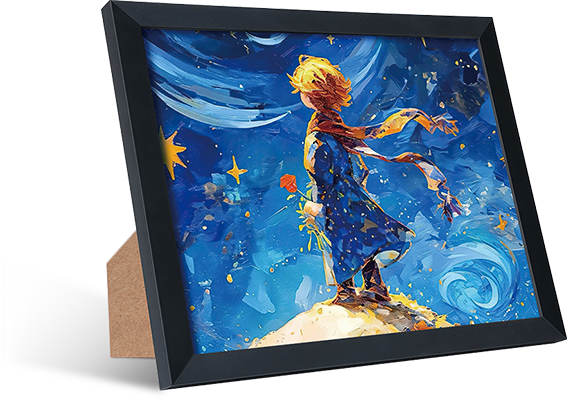
PVC Picture Frame
Sold by brand JinHuan
-
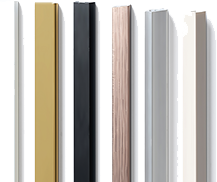
PVC Moulding
Sold by brand JinHuan
-
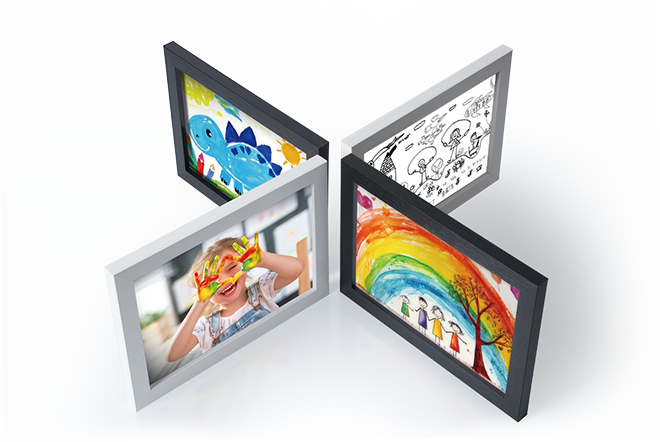
MDF Picture Frame
Sold by brand JinHuan
-
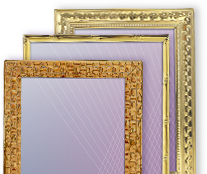
Iron Photo Frame
Sold by brand JinHuan
-
Plastic Injection Frame
Sold by brand JinHuan

-
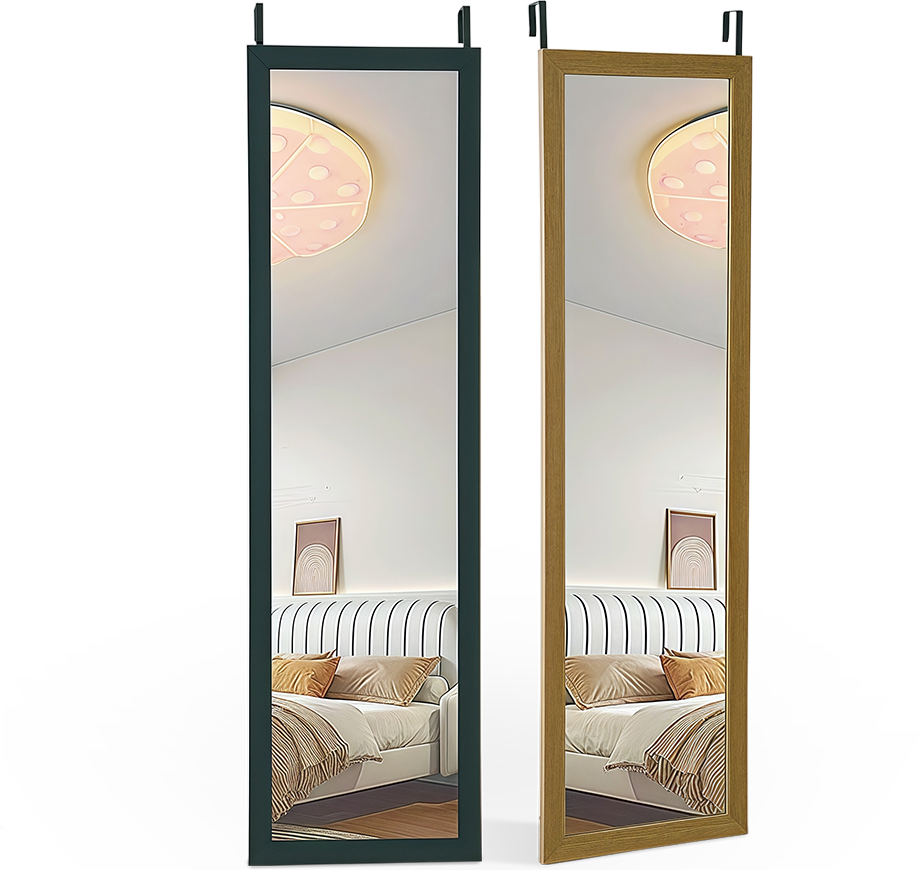
Mirror
Sold by brand JinHuan
-
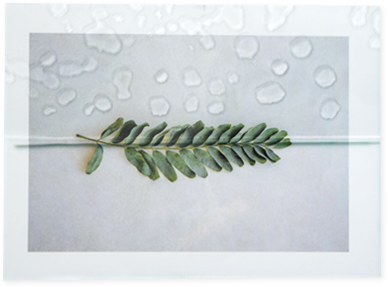
Glass Picture Frame
Sold by brand JinHuan
-
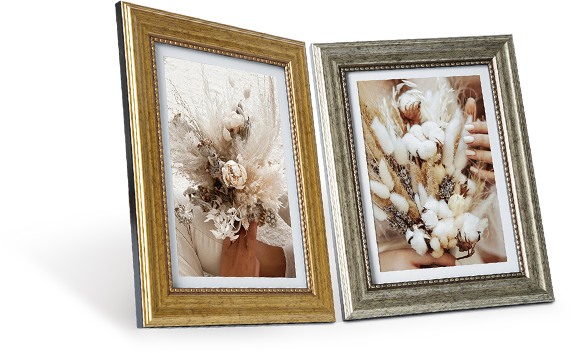
PS Picture Frame
Sold by brand JinHuan
-
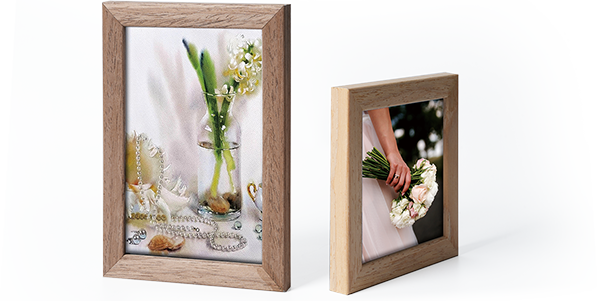
Solid Wood Picture Frame
Sold by brand JinHuan
-
Aluminum Alloy Picture Frame.
Sold by brand JinHuan
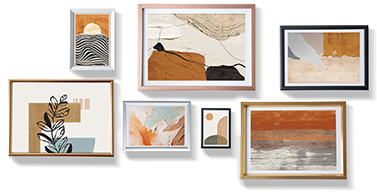
How Does a Wood Grain Picture Frame Enhance The Ambiance Of Your Home?

Jinhuan's professional manufacturing solutions empower your premium product production.
A wood glass picture frame is a classic choice that combines natural material beauty with functional protection. Its characteristics are defined by the integration of wood and glass.
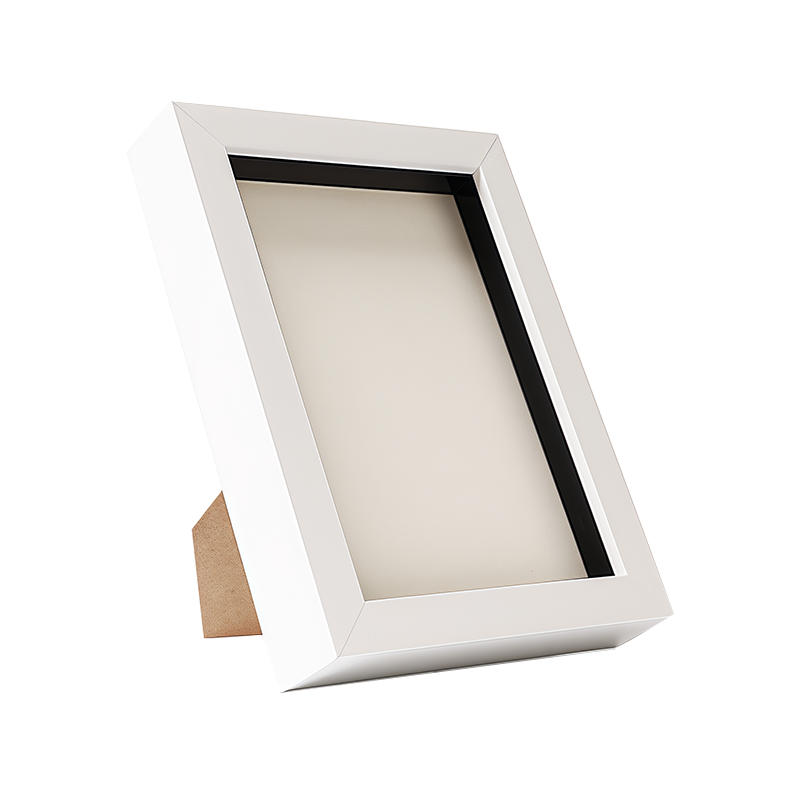
Material Composition: The frame is constructed primarily from wood, which can range from hardwoods like oak and walnut for durability to softer woods like pine that allow for intricate carving. The front of the frame is fitted with a pane of clear glass, which serves as a protective barrier for the photograph or artwork displayed within.
Structural Design: The wood is typically milled into a specific profile, which can be a simple flat molding or a more elaborate design with decorative routed edges. The corners are joined using techniques like mitering, where the ends are cut at a 45-degree angle to form a seamless fit. A backing board, often made of cardboard or another sturdy material, is secured to the back to hold the contents in place.
Functional and Aesthetic Traits: The key characteristic of this frame is its dual nature. The glass provides a clear, hard surface that shields the image from dust, moisture, and physical contact. Meanwhile, the wood surround offers a warm, substantial border that gives the display a sense of importance and finished elegance. The frame can be stained to highlight the wood’s natural grain or painted any color to match a specific decor style, making it a highly versatile decorative object.
How Does a Wood Grain Picture Frame Enhance the Ambiance of Your Home?
A wood grain picture frame contributes significantly to a room's atmosphere by introducing natural elements, warmth, and a sense of crafted quality.
Introducing Organic Warmth: The visible pattern and texture of wood grain bring an organic, natural element into an interior space. This quality can soften the feel of a room that has many manufactured materials or cool color tones. The inherent warmth of wood tones, from light oak to rich mahogany, helps create a welcoming and comfortable environment, making a space feel more lived-in and inviting.
Adding Texture and Visual Interest: The unique lines and patterns in wood grain provide subtle visual texture to a wall. This is different from a flat, solid color and adds a layer of depth and complexity to the decor. Whether part of a gallery wall or standing alone, a wood frame acts as a textural element that breaks up large blank wall spaces in an aesthetically pleasing way.
Establishing Style and Tone: The style of the wood grain frame helps set the room’s character. A frame with a dark, heavy grain and ornate carving can lend a formal, traditional, or academic feel to a study or living room. Conversely, a frame made from light wood with a simple, clean grain pattern supports a modern, rustic, or Scandinavian aesthetic. It acts as an anchor, reinforcing the chosen design theme of the space.
Choosing a Wood Photo Holder
Selecting a wood photo holder involves considering its function, style, and how it will be used within your space.
Determining the Primary Function: Identify its main purpose. Is it for a permanent display on a wall, or for a more flexible presentation on a tabletop or shelf? For tabletop use, a holder with a supportive easel back or a sturdy base is essential for stability. For temporary displays or frequently changed photos, a standing holder offers more flexibility than a permanently mounted frame.
Evaluating Design and Capacity: Consider the holder’s design and how many photos it needs to support. Options range from single photo holders to multi-picture designs like ladder-style shelves or holders with multiple clips. The size and weight capacity of the holder must be appropriate for the photos it will display to prevent tipping or sagging.
Matching Style and Finish: The holder should complement the decor of the room. The finish of the wood—whether it's a natural stain, a painted color, or a distressed look—should harmonize with other wood tones and materials in the space. The overall design, from minimalist to rustic, should align with the room’s existing style to ensure it enhances the ambiance rather than appearing out of place. The choice ultimately balances practical utility with aesthetic cohesion.
Your email address will not be published. Required fields are marked *
China Picture Frames Online Factory
Copyright © JinHuan Art & Craft Products Co., Ltd. All Rights Reserved.
