

 English
 Español
 日本語
日本語 عربى
عربى русский
-
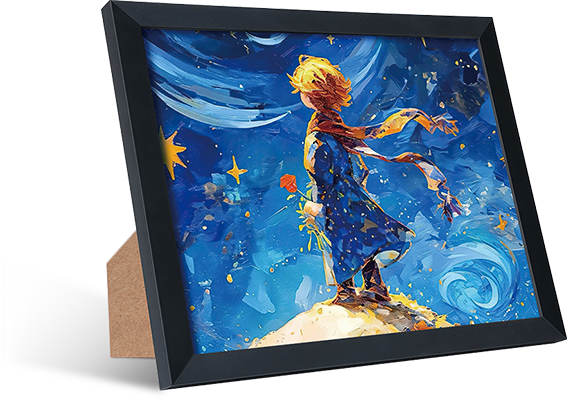
PVC Picture Frame
Sold by brand JinHuan
-
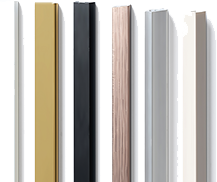
PVC Moulding
Sold by brand JinHuan
-
MDF Picture Frame
Sold by brand JinHuan

-
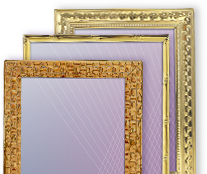
Iron Photo Frame
Sold by brand JinHuan
-
Plastic Injection Frame
Sold by brand JinHuan

-
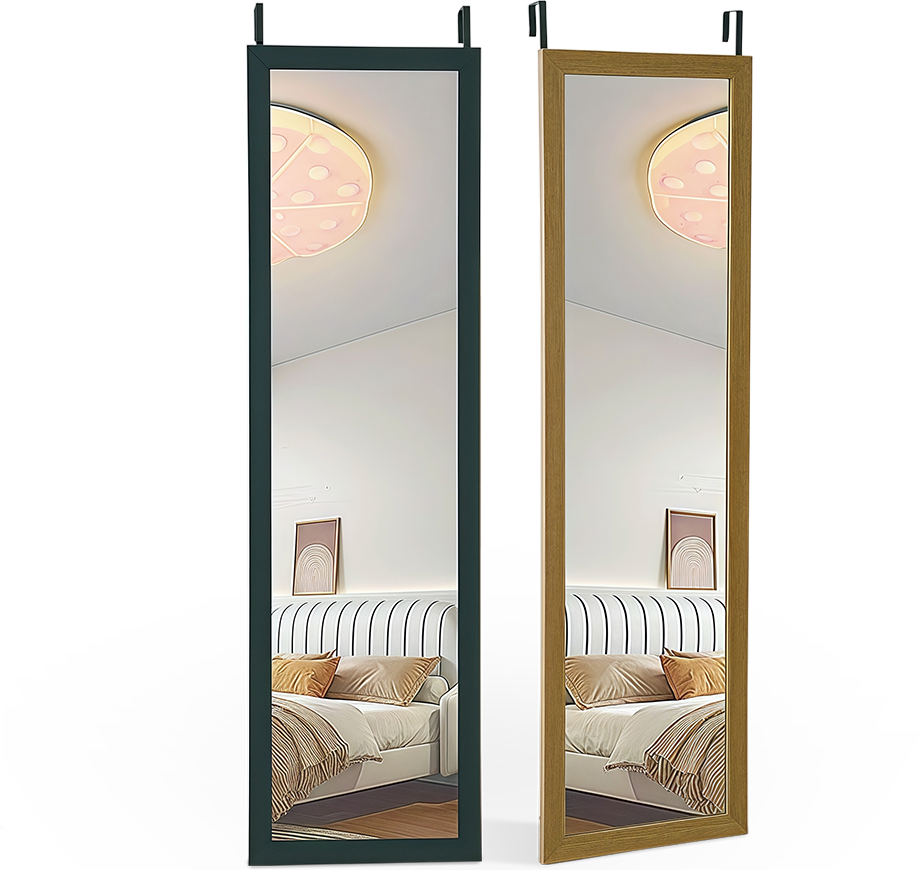
Mirror
Sold by brand JinHuan
-
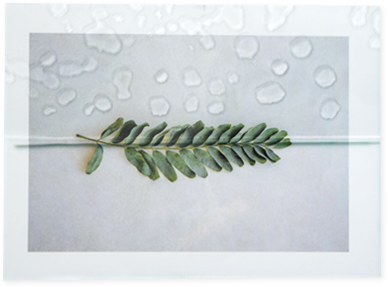
Glass Picture Frame
Sold by brand JinHuan
-
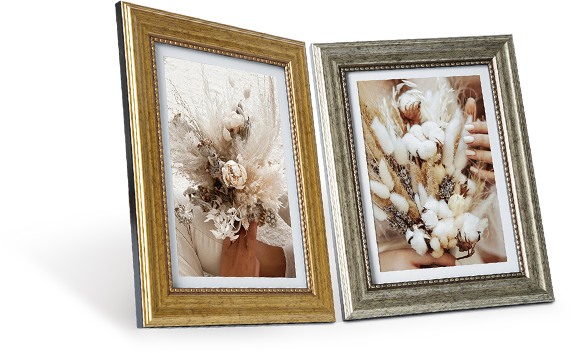
PS Picture Frame
Sold by brand JinHuan
-
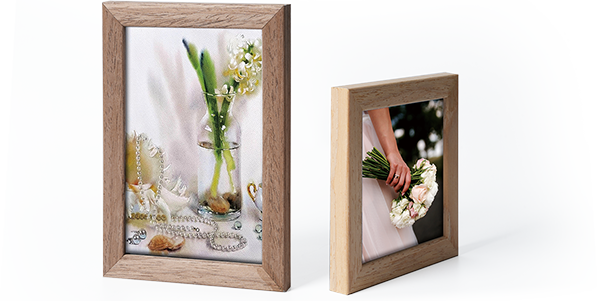
Solid Wood Picture Frame
Sold by brand JinHuan
-
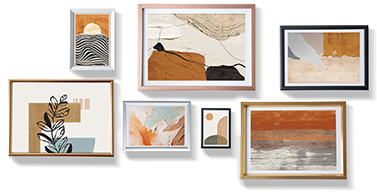
Aluminum Alloy Picture Frame.
Sold by brand JinHuan
What Are the Material Characteristics of a Solid Oak Frame?

Jinhuan's professional manufacturing solutions empower your premium product production.
A solid oak frame is a premium choice for framing artwork, photographs, or documents due to its durability, natural beauty, and timeless appeal. Oak is one of the popular hardwoods used in frame construction, offering a range of material characteristics that make it an choice for a variety of framing needs.
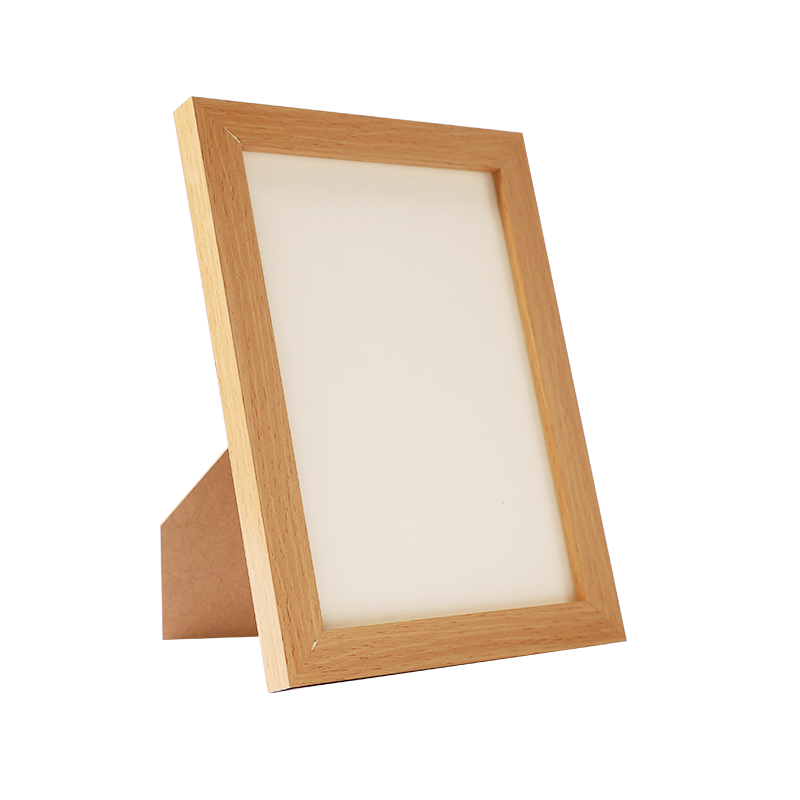
1. Strength and Durability
One of the primary material characteristics of solid oak is its strength. Oak is a dense, hardwood species known for its durability, making it a reliable choice for picture frames. Unlike softer woods that may bend or warp over time, oak maintains its structural integrity, providing long-lasting support for the framed items. This characteristic is particularly important for frames used to protect valuable or fragile pieces such as family portraits, artwork, or antique documents.
In addition to its sturdiness, oak is naturally resistant to wear and tear. The wood’s hard surface makes it less susceptible to scratches and dents, which helps maintain the frame’s appearance over time. This durability also extends to its ability to withstand the effects of moisture and temperature changes. As a result, oak frames are well-suited for use in environments where other materials may be prone to damage, such as in high-traffic areas or rooms with fluctuating humidity levels.
2. Aesthetic Appeal
The natural beauty of oak is another key characteristic that makes it a popular choice for picture frames. Oak features a distinct grain pattern that ranges from straight to wavy, giving it a visually interesting texture that adds depth and character to the frame. The grain’s natural variation creates a unique look, ensuring that each oak frame is one-of-a-kind.
The wood's natural color can vary from light beige to golden brown, with some oak varieties displaying darker hues. Oak can also be stained or finished in various ways to match different interior design styles, from rustic to contemporary. Its versatility allows it to complement a wide range of artwork or photographs, enhancing the overall presentation of the framed piece.
3. Workability and Finish
Oak is relatively easy to work with due to its uniform texture and moderate density. It can be easily shaped, cut, and sanded to achieve smooth edges and a polished finish. This workability allows artisans to create frames with intricate detailing or smooth, minimalist designs. Oak frames can also be finished with a variety of coatings, including matte, gloss, or satin finishes, to achieve the desired look and feel. A protective finish helps to preserve the wood and enhances its natural beauty, ensuring that the frame will continue to look great for years to come.
The wood and glass photo frame is a classic and versatile option for displaying photographs, artwork, and memorabilia. Combining the natural beauty of wood with the clarity of glass, these frames offer both aesthetic appeal and practical functionality. In this essay, we will explore the material characteristics of wood and glass photo frames, examining the benefits of each material and how they work together to create a stylish and durable frame.
1. Wood: Warmth and Versatility
The wood used in photo frames offers a natural, warm aesthetic that complements a variety of decor styles. Wood can be sourced from various species, including oak, pine, walnut, and maple, each with its unique color, texture, and grain pattern. The choice of wood greatly influences the overall appearance of the frame, making it a highly customizable option.
Wooden frames are known for their durability and sturdiness. Depending on the species, wood can be either a softwood or hardwood, with hardwoods like oak, cherry, and walnut offering more durability and strength. Softwoods, such as pine, are generally lighter and may be used for more budget-friendly frames. Regardless of the type of wood, these frames provide protection for photographs and artwork by offering a secure, stable structure.
One of the advantages of wooden frames is their ability to be stained or painted in various finishes. A light stain can give the wood a natural, rustic look, while a darker stain can add sophistication and elegance. Wooden frames can also be painted in any color to suit specific design preferences or to match the room’s decor.
2. Glass: Clarity and Protection
Glass plays a crucial role in preserving and displaying photographs and artwork. The clarity of glass allows the image within the frame to be viewed without distortion, providing a clean and crisp visual experience. Glass also serves as a protective barrier, shielding photographs from dust, dirt, and physical damage. It acts as a safeguard, keeping the photograph intact and preventing it from being exposed to environmental factors that could cause fading or deterioration over time.
There are different types of glass used in photo frames, including regular glass, tempered glass, and acrylic. Regular glass is clear and provides basic protection, while tempered glass is stronger and less likely to shatter upon impact. Acrylic, though not technically glass, is often used as a lightweight and shatterproof alternative, especially in frames that are larger or intended for high-traffic areas. Some frames also feature UV-protective glass, which helps to prevent fading caused by exposure to sunlight.
Your email address will not be published. Required fields are marked *
China Picture Frames Online Factory
Copyright © JinHuan Art & Craft Products Co., Ltd. All Rights Reserved.
