

 English
 Español
 日本語
日本語 عربى
عربى русский
-
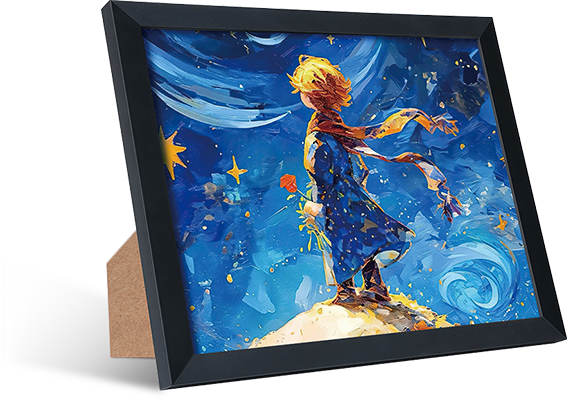
PVC Picture Frame
Sold by brand JinHuan
-
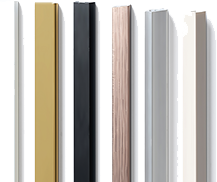
PVC Moulding
Sold by brand JinHuan
-
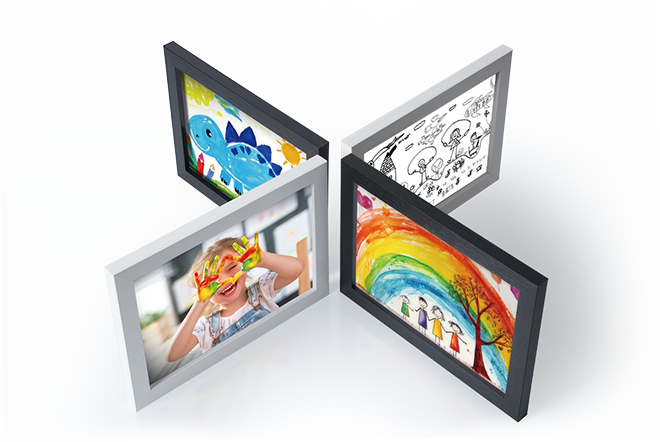
MDF Picture Frame
Sold by brand JinHuan
-
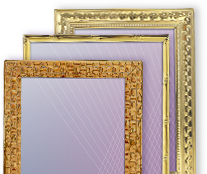
Iron Photo Frame
Sold by brand JinHuan
-
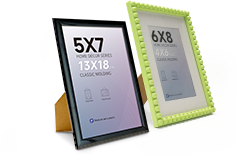
Plastic Injection Frame
Sold by brand JinHuan
-
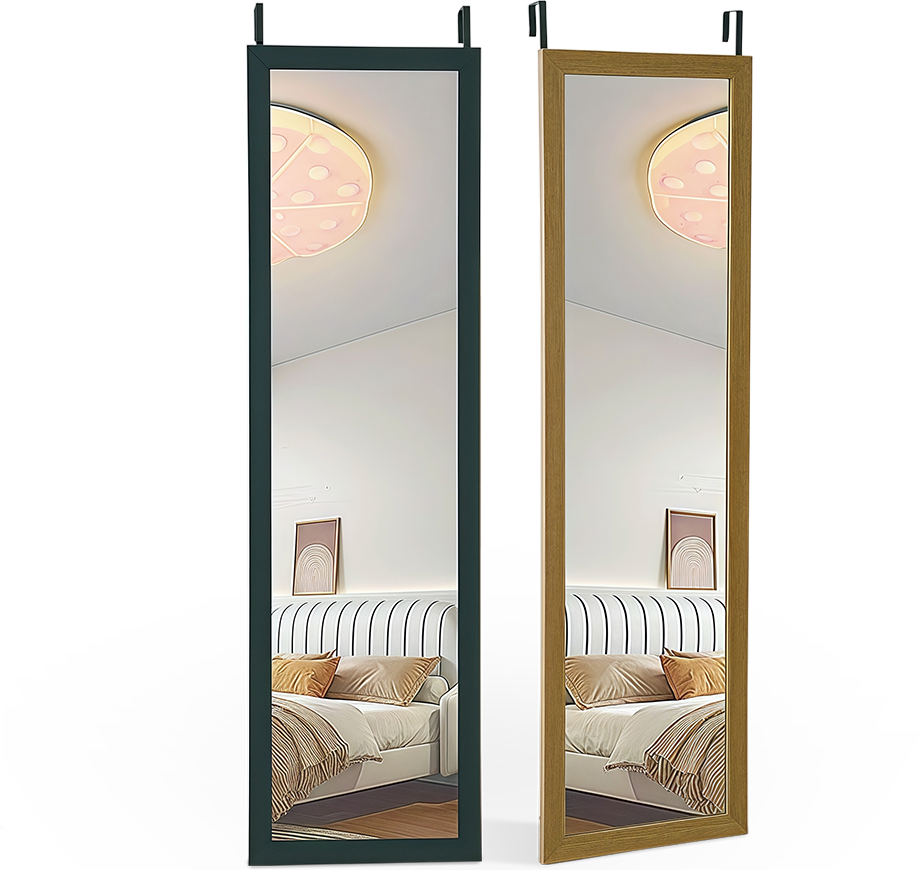
Mirror
Sold by brand JinHuan
-
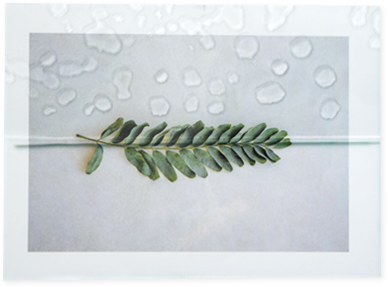
Glass Picture Frame
Sold by brand JinHuan
-
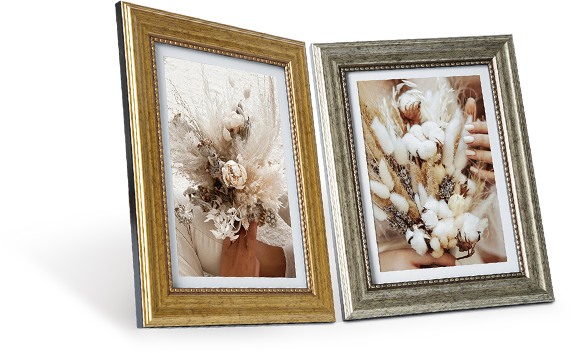
PS Picture Frame
Sold by brand JinHuan
-
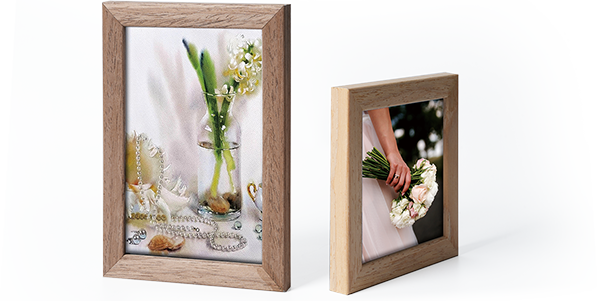
Solid Wood Picture Frame
Sold by brand JinHuan
-
Aluminum Alloy Picture Frame.
Sold by brand JinHuan
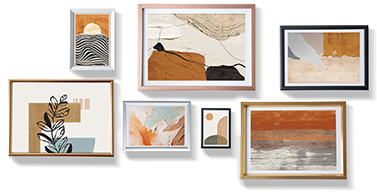
Is Custom Sizing Accuracy Affecting Aluminum Alloy Picture Frame Fit for Large Prints

Jinhuan's professional manufacturing solutions empower your premium product production.
Large-format wall art has pushed frame manufacturing into tighter dimensional control than traditional photo framing. Demand for clean edges, borderless visuals, and oversized prints exposes small deviations that were previously unnoticed. The Custom Size Aluminum Alloy Picture Frame category sits right in this transition, where precision machining and real-world print variation collide.
A deviation of even 0.3–0.8 mm per side may not sound significant, yet on a 60–100 cm frame, cumulative mismatch becomes visually obvious. This topic becomes more relevant as aluminum frames expand into gallery walls, retail displays, and home décor installations where alignment consistency matters more than ever.
Dimensional Accuracy in Aluminum Frame Production
Aluminum picture frames are typically produced using extrusion profiles followed by CNC cutting. Industry tolerance ranges commonly sit between ±0.1 mm and ±0.5 mm depending on profile complexity and alloy grade. Such variation is acceptable in structural use, but picture framing demands closer visual precision.
Why extrusion tolerance matters
- Wall thickness variation affects how tightly glass, artwork, and backing seat inside the rabbet.
- Corner angle deviation changes how flush joints appear under tension assembly.
- Length shrinkage after cutting can shift alignment across multi-frame installations.
- Surface twist in long extrusions becomes more visible in large prints above 24 inches.
Reference materials show that aluminum profiles rarely stay mathematically exact across long production runs, especially in thin-walled decorative structures used for framing systems.
Fit Challenges in Large Prints
Oversized artwork amplifies small errors. A mismatch of 1 mm per side in a 1000 mm frame results in a 2 mm total offset, enough to create uneven borders or stress points on glass panels.
Common fit-related issues
- Uneven visual margins between print edge and frame inner wall
- Pressure points causing acrylic bowing in mid-span areas
- Corner gaps that become visible under wall lighting
- Difficulty inserting backing board without friction
A framing structure also relies on intentional clearance, often referred to as allowance, which balances snug fit with material expansion behavior.
Technical Tolerance vs Visual Perception
Dimensional accuracy in engineering does not always align with visual acceptance in interior decoration. A frame can pass industrial tolerance checks yet still appear “off-center” in a gallery wall.
| Component | Typical Tolerance Range | Visual Impact Level |
| Aluminum extrusion width | ±0.1 mm – ±0.5 mm | Medium |
| Corner cutting angle | ±0.2° – ±0.5° | High (visible at joints) |
| Rabbet depth consistency | ±0.2 mm – ±0.6 mm | Medium |
| Assembly squareness | ±0.5 mm across frame | High for large formats |
As frame size increases, human visual sensitivity to misalignment also increases. What is mechanically acceptable may still be aesthetically noticeable in home environments.
Interaction Between Print Size and Frame Geometry
Large prints often come from different production sources: inkjet, digital press, or photographic enlargements. Each method introduces slight scaling variance.
Mismatch sources in real usage
- Print scaling drift due to printer calibration differences
- Humidity expansion causing paper width variation
- Cutting tolerance at print finishing stage
- Frame internal clearance design differing by manufacturer
This is why two “identical” 24×36 prints may behave differently inside the same aluminum frame system.
Material Behavior in Aluminum Alloy Frames
Aluminum alloys such as 6063 and 6061 are widely used for picture frame extrusion due to their balance of rigidity and surface finish capability. However, thermal contraction and extrusion stress release can slightly affect long-term geometry.
Structural behavior factors
- Thermal expansion coefficient causes minor seasonal dimensional shift
- Extrusion cooling gradient may introduce subtle bowing
- Corner fastener tension influences final squareness
These effects are typically small but become more noticeable in frames exceeding 80 cm in one dimension.
Design Strategy for Improved Fit Reliability
Instead of relying purely on nominal sizing, modern framing systems integrate controlled clearance zones and modular adjustment points.
Engineering adjustments used in better frame systems
- Micro-adjustable corner brackets for squareness correction
- Elastic backing inserts to absorb dimensional variation
- Standardized rabbet offsets based on print category
- Pre-compensated cutting lengths for extrusion shrinkage
These approaches reduce dependency on exact print conformity and improve compatibility across mixed production sources.
Practical View on Custom Size Aluminum Alloy Picture Frame Fit
A strict 1:1 dimensional match is rarely achievable across the full chain of printing, cutting, and extrusion manufacturing. Instead, the framing ecosystem relies on controlled tolerances and small clearance allowances.
The Custom Size Aluminum Alloy Picture Frame concept is therefore less about absolute precision and more about controlled adaptability. Large prints demand this flexibility even more, since minor inconsistencies scale visually across the surface area.
As frame dimensions grow, success depends less on eliminating variation and more on managing it through design compensation, material behavior awareness, and consistent manufacturing practices.
Your email address will not be published. Required fields are marked *
China Picture Frames Online Factory
Copyright © JinHuan Art & Craft Products Co., Ltd. All Rights Reserved.
