

 English
 Español
 日本語
日本語 عربى
عربى русский
-
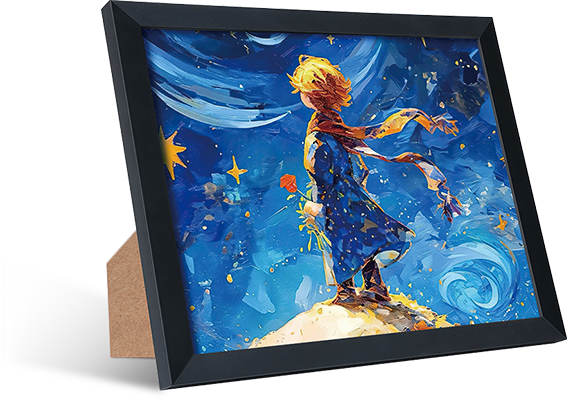
PVC Picture Frame
Sold by brand JinHuan
-
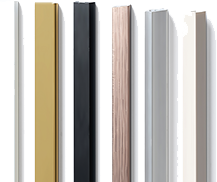
PVC Moulding
Sold by brand JinHuan
-
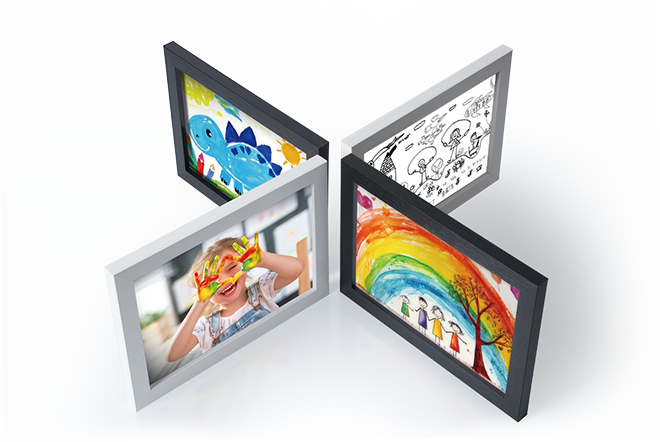
MDF Picture Frame
Sold by brand JinHuan
-
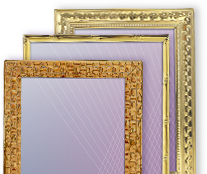
Iron Photo Frame
Sold by brand JinHuan
-
Plastic Injection Frame
Sold by brand JinHuan

-
Mirror
Sold by brand JinHuan

-
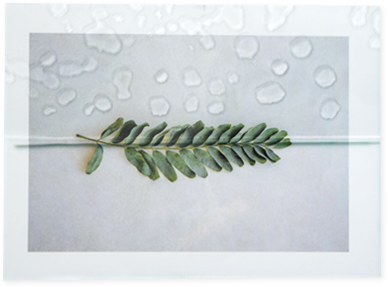
Glass Picture Frame
Sold by brand JinHuan
-
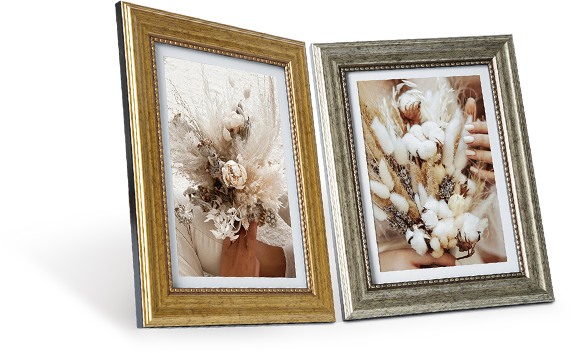
PS Picture Frame
Sold by brand JinHuan
-
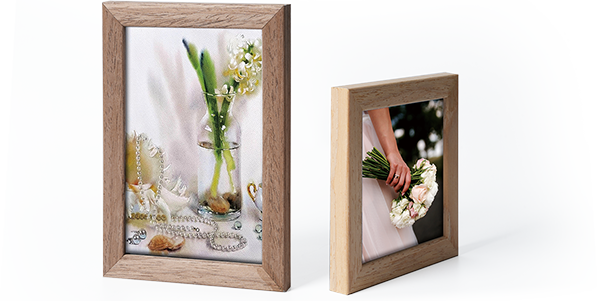
Solid Wood Picture Frame
Sold by brand JinHuan
-
Aluminum Alloy Picture Frame.
Sold by brand JinHuan

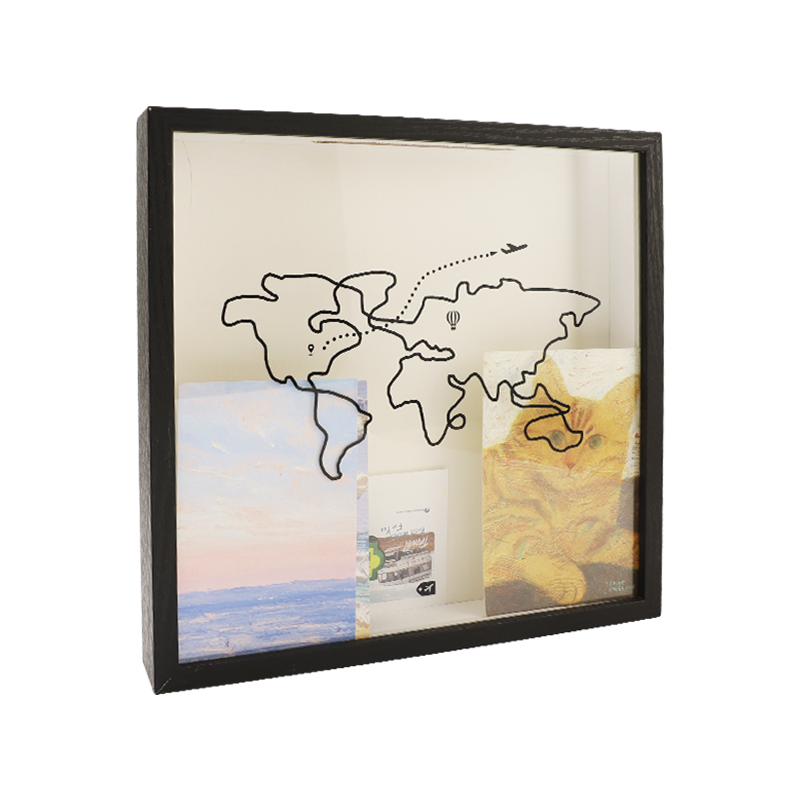
MDF Photo Frames: Material and Manufacture

Jinhuan's professional manufacturing solutions empower your premium product production.
Material Composition and Properties
From a materials science perspective, an MDF Photo Frame is defined by its core substrate. MDF is an engineered wood product made by breaking down hardwood or softwood residuals into wood fibres, combining them with wax and a resin binder (typically urea-formaldehyde), and forming panels by applying high temperature and pressure. This results in a material with a uniform, smooth, and consistent density with no wood grain, knots, or voids. For framing, this homogeneity is a key property; it allows for precise machining, clean edges, and a surface that readily accepts a variety of finishes, including paint, veneer, or laminate. The material is isotropic, meaning it has consistent strength in all directions, which aids in stability. However, it has a high density and is heavier than many solid woods of similar dimensions, and its core is vulnerable to moisture absorption if not properly sealed.
Manufacturing and Assembly Process
The production of MDF frames is a process suited to volume manufacturing. It typically begins with large sheets of primed or raw MDF being cut into strips of the desired profile width and thickness using computer-controlled saws. These strips are then routed or profiled to create the decorative front shape and the rabbet—the groove that holds the glass, picture, and backing. The strips are cut to specific lengths with 45-degree miters at each end. The manufacturing perspective focuses on efficiency: the uniform MDF material allows for high-speed cutting and shaping with minimal tool wear compared to variable natural wood. Assembly often involves joining the four mitered corners with staples, nails, and glue in a pneumatic jig, followed by the application of a finish—whether a painted coating, a foil wrap, or a laminated wood veneer. The final steps involve adding hardware (sawtooth hangers, easel backs) and packaging.
Market Position and Design Versatility
From a commercial and design standpoint, MDF frames are positioned as affordable, versatile, and decorative products. Their primary market is mass retail for home decor. The smooth, uniform surface makes them ideal for achieving consistent, opaque painted finishes in any color, which aligns with changing interior design trends. This allows manufacturers to produce a wide range of styles—from simple, modern profiles to ornate, classic shapes—without the cost and inconsistency of natural wood carving. The ability to laminate printed paper or vinyl onto the surface further expands design possibilities, enabling photographic prints, textures, or faux finishes like brushed metal or stone at a low cost. This perspective highlights the frame’s role as a design accessory that offers significant aesthetic flexibility and accessibility to consumers, often sold in coordinated multi-packs for gallery walls.
Limitations and Durability Considerations
A practical perspective must address the inherent limitations of MDF as a framing material. The significant is its susceptibility to moisture. Unsealed or damaged MDF will swell and deteriorate when exposed to humidity or liquid. While factory-applied paint or laminate provides a barrier, chipped edges or scratches can expose the core to damage. Compared to solid wood or metal, MDF has lower impact resistance; the edges, particularly the delicate corners of the miter joint, can dent or break if dropped or struck. Over very long periods, the material may sag under its own weight in large formats if not properly supported. From a conservation standpoint, lower-quality MDF may emit volatile organic compounds (VOCs) from its binders, which is a consideration for framing valuable artwork, though many products meet low-emission standards. This perspective clarifies that while MDF frames are suitable for general display, they are less appropriate for high-value preservation, outdoor use, or high-traffic areas where durability is a primary concern.
Your email address will not be published. Required fields are marked *
China Picture Frames Online Factory
Copyright © JinHuan Art & Craft Products Co., Ltd. All Rights Reserved.
