

 English
 Español
 日本語
日本語 عربى
عربى русский
-
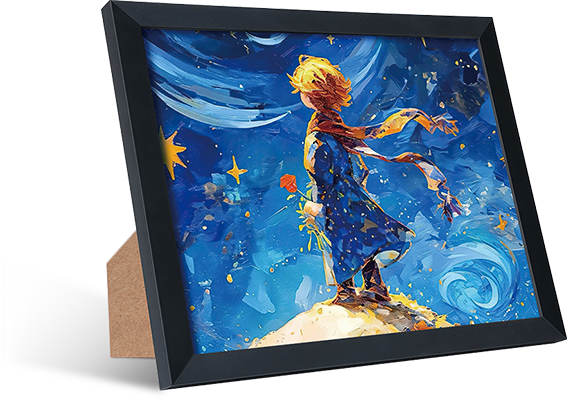
PVC Picture Frame
Sold by brand JinHuan
-
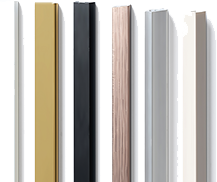
PVC Moulding
Sold by brand JinHuan
-
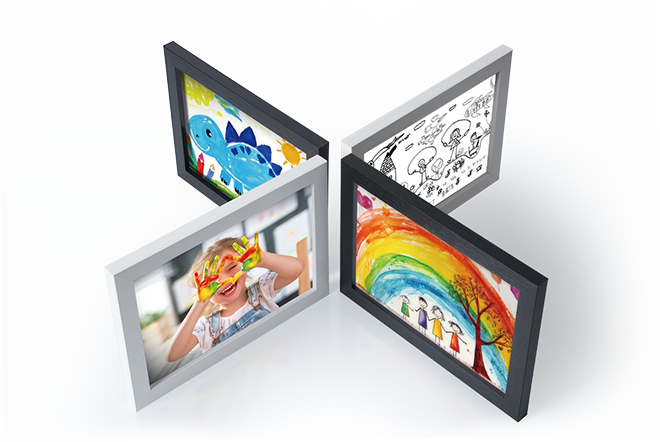
MDF Picture Frame
Sold by brand JinHuan
-
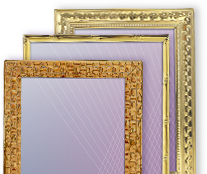
Iron Photo Frame
Sold by brand JinHuan
-
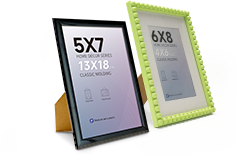
Plastic Injection Frame
Sold by brand JinHuan
-
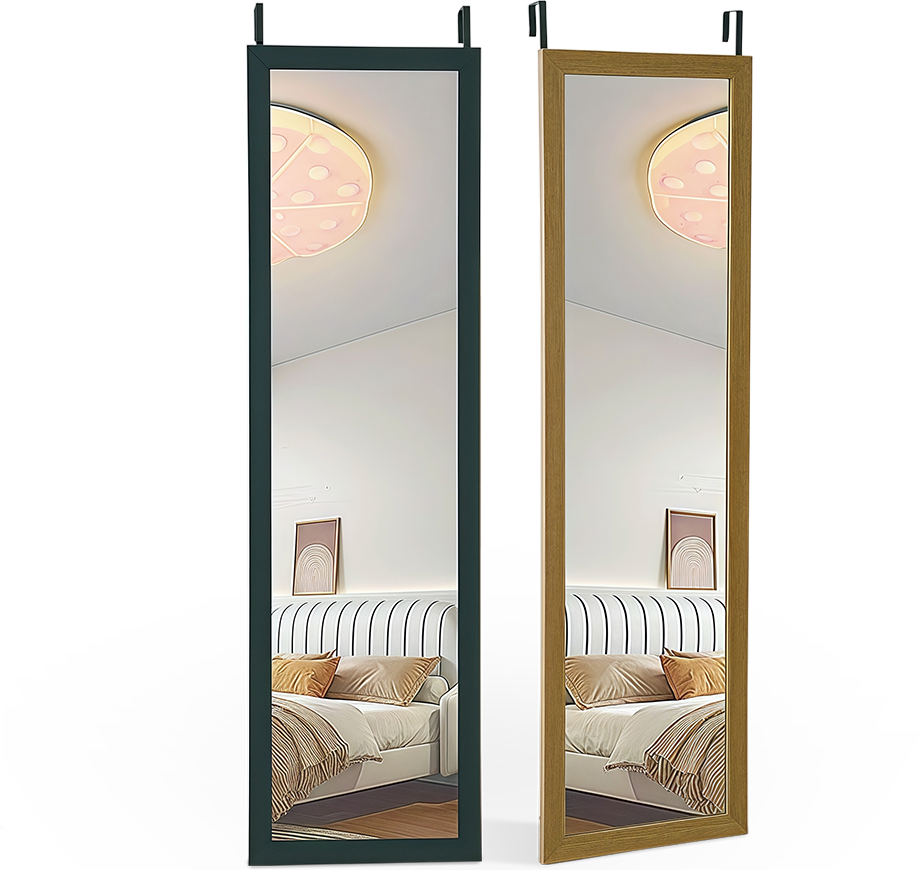
Mirror
Sold by brand JinHuan
-
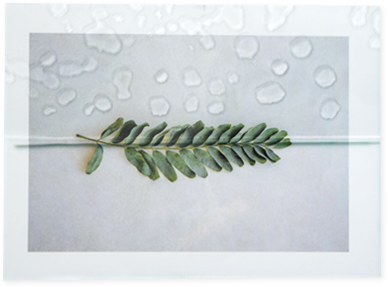
Glass Picture Frame
Sold by brand JinHuan
-
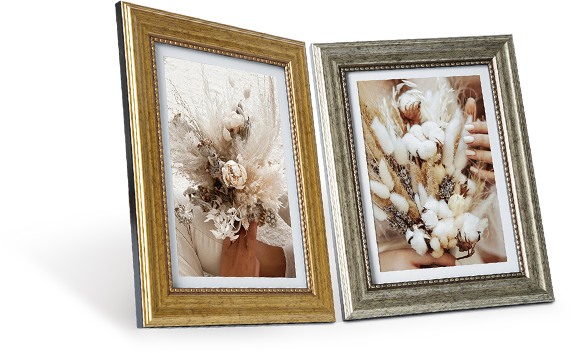
PS Picture Frame
Sold by brand JinHuan
-
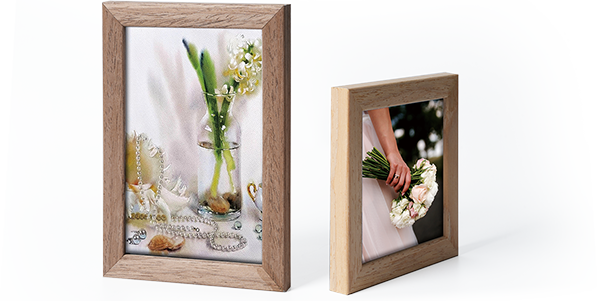
Solid Wood Picture Frame
Sold by brand JinHuan
-
Aluminum Alloy Picture Frame.
Sold by brand JinHuan
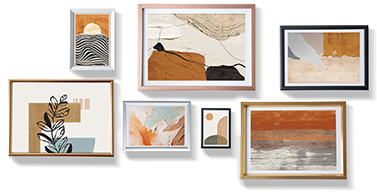
What is an Aluminum Alloy Photo Frame?

Jinhuan's professional manufacturing solutions empower your premium product production.
An aluminum alloy photo frame is an assembly of several components, each serving a specific function.
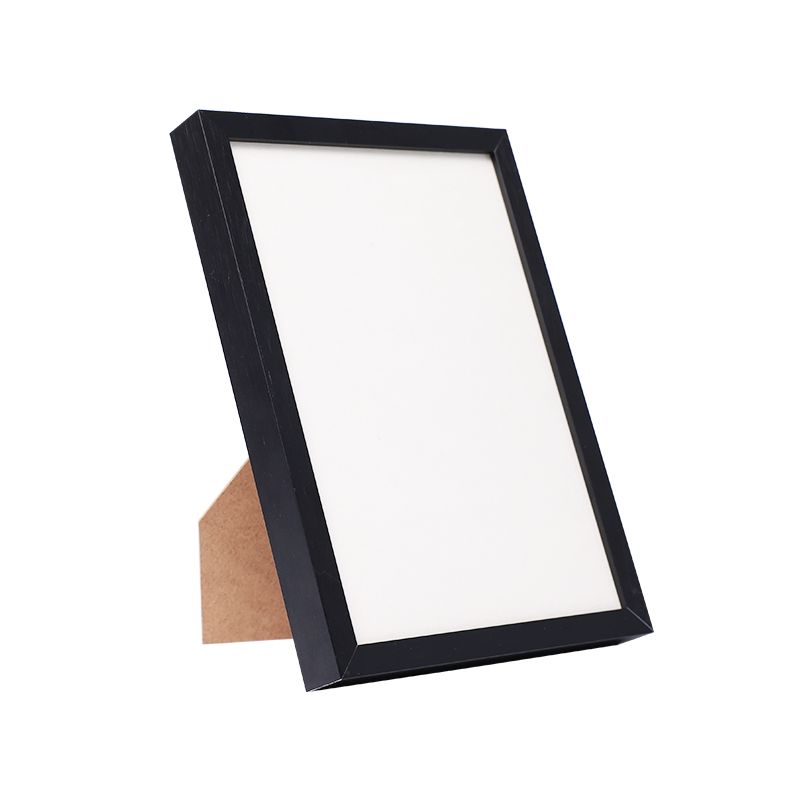
Frame Profile: This is the main structural element, the long, narrow piece of extruded aluminum alloy that forms the sides of the frame. It is typically hollow and has a channel or groove to hold the glazing, artwork, and backing.
Corner Hardware: Metal brackets, screws, or specialized corner keys that join the four cut lengths of profile together at right angles to form a rigid rectangle or square.
Glazing: A transparent sheet, usually glass or acrylic (plexiglass), that protects the photograph or artwork. It fits into the front channel of the frame profile.
Backing Board: A rigid sheet, often made of cardboard, foam board, or corrugated plastic, that provides support for the artwork and holds it flat against the glazing.
Backing Fasteners: Spring clips, points, or tabs made of metal or plastic that are inserted into the frame's channel to secure the backing board and the layered contents in place.
Hanging Hardware: A sawtooth hanger, D-rings, or wire attached to the back of the assembled frame to allow it to be mounted on a wall.
Finish: The external surface treatment of the aluminum profile. This is often a painted coating, an anodized layer (for color and corrosion resistance), or a brushed or polished metallic appearance.
Why does an Aluminum Alloy Photo Frame exist?
The prevalence of this frame type is driven by material properties that meet specific functional and market demands.
Durability and Structural Stability
Aluminum alloys are chosen for their resistance to warping, cracking, and environmental damage. Unlike wood, aluminum does not absorb moisture, swell, or rot. It is not brittle like some plastics. This makes frames dimensionally stable over time, ensuring the assembly remains square and the artwork remains securely held, which is advantageous for archival purposes or in humid climates.
Modern Aesthetic and Design Flexibility
The material allows for clean, slim profiles with precise, sharp lines that are associated with a modern or minimalist aesthetic. The extrusion manufacturing process enables the creation of complex profile shapes with integrated channels for hanging systems or decorative accents. The variety of available finishes—from matte black and metallic silver to colored anodizing—offers wide design flexibility to match different interior decors.
Lightweight and Cost-Effective Production
Aluminum is a relatively lightweight metal, making larger frames easier to handle and hang without excessive weight. From a manufacturing perspective, the process of extruding long lengths of profile and cutting them to size is efficient and scalable. This allows for mass production of standardized frame sizes at a lower cost compared to handcrafted wood frames, making them accessible for both consumer and commercial use (e.g., in offices or galleries).
The Manufacturing Process of Aluminum Alloy Photo Frame
The production is a multi-step process that transforms raw aluminum into a finished assembly.
Profile Extrusion: The process begins with aluminum alloy billets heated to a specific temperature. These are forced through a shaped die using a hydraulic ram in an extrusion press. The aluminum emerges as a long, continuous profile with the desired cross-sectional shape, including the internal channel for the glass and backing. This "extrude" is then cooled, stretched to straighten it, and cut into manageable lengths.
Cutting and Mitering: The long extrusion lengths are cut into four shorter pieces corresponding to the dimensions of the frame (e.g., two pieces for length, two for width). The ends of each piece are cut at a precise 45-degree angle (mitered) so they will join neatly at the corners.
Finishing: The cut profiles undergo surface treatment. This may involve anodizing, where the aluminum is placed in an electrolytic bath to grow a controlled, durable oxide layer that can be dyed various colors. Alternatively, they may be powder-coated, where electrostatically charged dry paint powder is applied and then cured under heat to form a hard, even finish. They can also be polished or brushed for a bare metal look.
Assembly and Packaging: The four mitered pieces are joined using corner brackets, screws, or special connectors that are pressed into the hollow profile. The chosen glazing (glass or acrylic) is cut to size, as is the backing board. These components, along with the hanging hardware and backing fasteners, are assembled into the frame. The final product is then inspected, often wrapped in protective film, and packaged for shipping.
Your email address will not be published. Required fields are marked *
China Picture Frames Online Factory
Copyright © JinHuan Art & Craft Products Co., Ltd. All Rights Reserved.
