

 English
 Español
 日本語
日本語 عربى
عربى русский
-
PVC Picture Frame
Sold by brand JinHuan

-
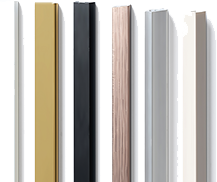
PVC Moulding
Sold by brand JinHuan
-
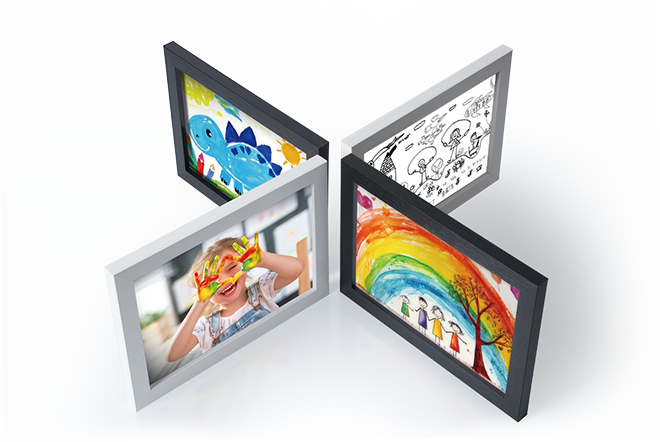
MDF Picture Frame
Sold by brand JinHuan
-
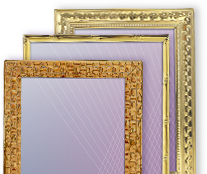
Iron Photo Frame
Sold by brand JinHuan
-
Plastic Injection Frame
Sold by brand JinHuan

-
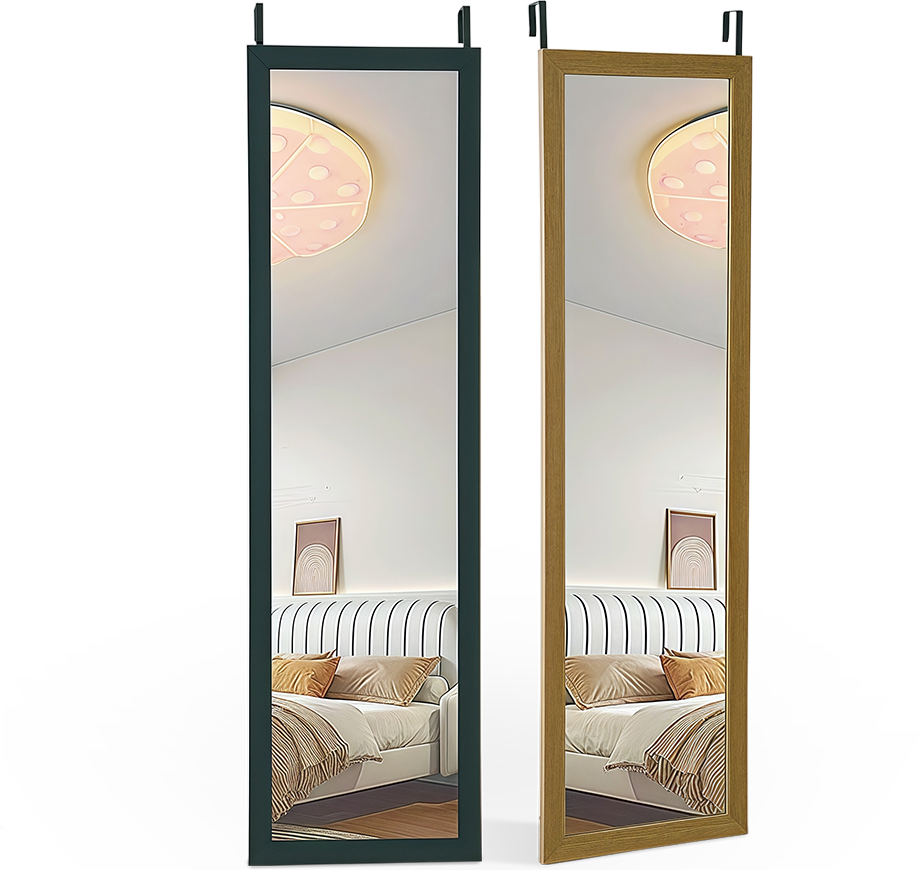
Mirror
Sold by brand JinHuan
-
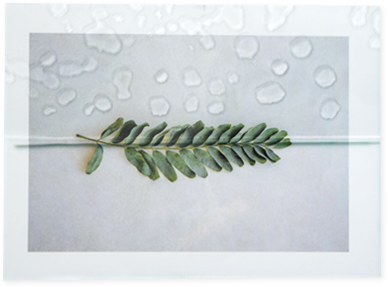
Glass Picture Frame
Sold by brand JinHuan
-
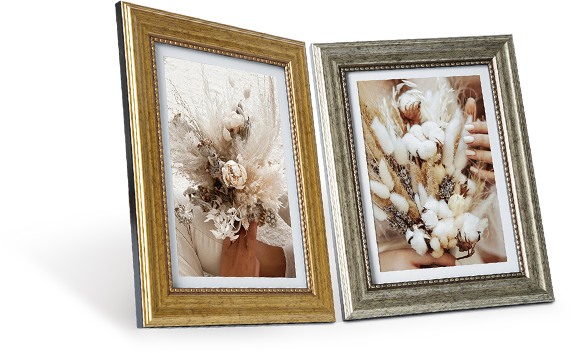
PS Picture Frame
Sold by brand JinHuan
-
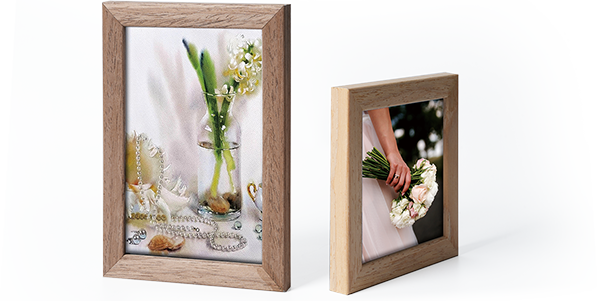
Solid Wood Picture Frame
Sold by brand JinHuan
-
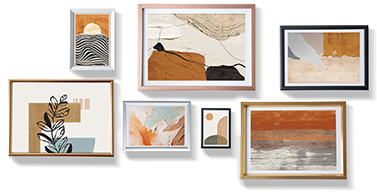
Aluminum Alloy Picture Frame.
Sold by brand JinHuan
Solid Wood Photo Frame – Additional Features and Market Aesthetic Adaptation

Jinhuan's professional manufacturing solutions empower your premium product production.
Additional Features of the Solid Wood Photo Frame
1. Structural Features Beyond Basic Display Function
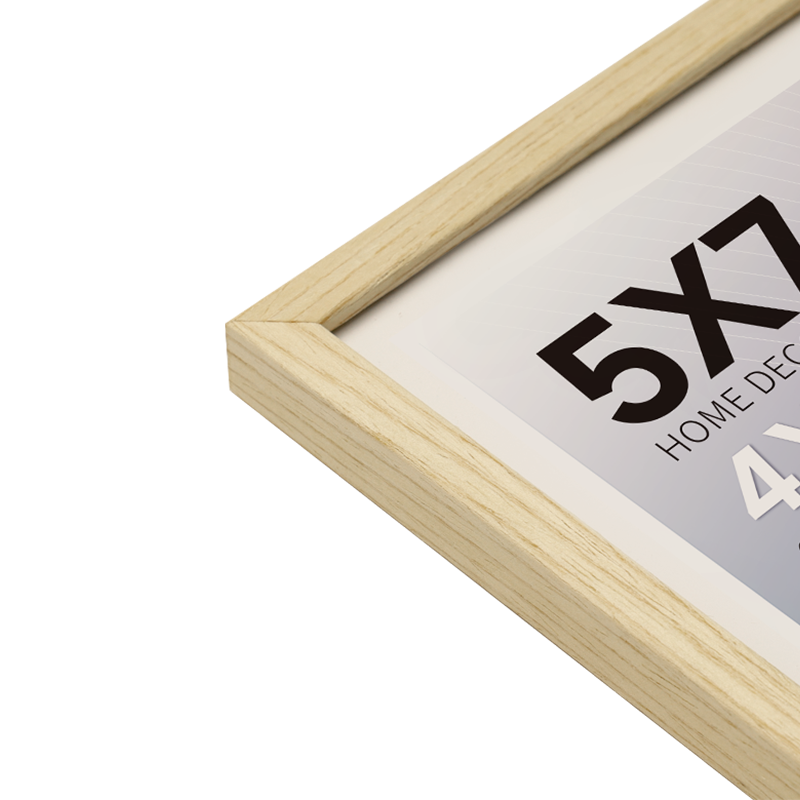
Solid wood photo frames include several design elements that extend their utility beyond holding a picture. Many frames incorporate a standing mechanism with a hinged leg or folding strut, typically made of the same wood species or metal. The leg attaches via a brass or stainless steel pivot, allowing adjustment between 0° and 75°. A felt or rubber pad on the bottom edge prevents sliding on smooth surfaces. For wall mounting, solid wood frames feature keyhole hangers (routed slots on the back) or sawtooth hangers (serrated metal strips). These allow vertical or horizontal orientation without separate hardware.
2. Material Treatment Features
Unlike plastic or metal frames, solid wood offers natural grain variation as an inherent feature. Manufacturers apply clear lacquer, wax, or oil finishes that enhance grain visibility while providing moisture resistance. Some frames include a UV-blocking coating on the glass or acrylic glazing, which reduces fading of photographs by filtering 90–97% of ultraviolet light. Higher-end solid wood frames add acid-free matting and wood veneer backing rather than cardboard, preventing chemical reactions that yellow paper over time.
3. Comparison of Feature Availability by Wood Type and Price Tier
|
Feature |
Economy Pine Frame ($10–20) |
Mid-Range Oak Frame ($25–50) |
Premium Walnut Frame ($60–120) |
|
Hinge type |
Plastic or metal staple hinge |
Brass pin hinge with nylon washer |
Concealed spring hinge |
|
Matting included |
None or single white mat |
Single acid-free mat (ivory or off-white) |
Double mat, museum-grade, bevel cut |
|
Glazing material |
Standard float glass (2 mm) |
Non-glare glass or basic acrylic |
UV-filtering acrylic or museum glass |
|
Backing board |
Cardboard or hardboard (3 mm) |
Sealed MDF or thin plywood (4 mm) |
Solid wood veneer over MDF (6 mm) |
|
Surface finish |
Spray lacquer (matte or satin) |
Hand-wiped oil or catalyzed lacquer |
Shellac plus wax, hand-buffed |
|
Corner joint type |
Miter joint with glue and brad nails |
Miter joint with glue and spline |
Dovetail or mortise-and-tenon |
|
Hanging hardware |
Sawtooth hanger (single orientation) |
Keyhole hanger (dual orientation) |
Wire with brass eyelets |
4. Preservation and Customization Features
Solid wood frames offer rebate depth (the channel holding the artwork) ranging from 5 mm to 15 mm, allowing storage of thicker items such as memorabilia, pressed flowers, or layered documents. Some frames include spring clips or turn buttons that press against the backing board, maintaining pressure as wood expands or contracts with humidity changes. Customization features include engraved nameplates (laser-etched brass or wood), corner gussets (decorative metal brackets), and interchangeable mat colors (reversible mats with different shades on each side).
How Solid Wood Photo Frames Meet Current Market Aesthetic Demands
Response to Sustainability and Authenticity Trends
1. Preference for natural, non-synthetic materials
Current interior design trends show increased demand for materials that visibly age and patina. Solid wood frames meet this preference through visible grain, knots, and minor color variations between batches. Unlike PS frames that hide imperfections, solid wood frames display character marks (small mineral streaks, slight sapwood color differences) as indicators of authenticity. Manufacturers have responded by offering frames with clear or lightly tinted finishes rather than opaque paint, leaving the wood surface visible.
2. Alignment with low-VOC and responsible sourcing expectations
Consumers seeking environmentally considered products look for frames carrying FSC (Forest Stewardship Council) certification, indicating wood from managed forests. Approximately 15% to 20% of solid wood frames sold in North American and European markets now display FSC labels. Water-based finishes (with volatile organic compound content below 50 g/L) have replaced solvent-based lacquers (VOC 400–600 g/L) in many production lines. Manufacturers also highlight waste reduction by using finger-jointed pine (small wood pieces glued together) for frame backs and internal components.
Adaptation to Flexible Display and Personalization Demands
1. Multi-orientation and modular display options
Modern consumers display photos across various surfaces: shelves, desks, mantels, and walls. Solid wood frames now include dual-orientation stands that allow both portrait and landscape positioning without tools. Some designs incorporate magnetic back panels that attach to metal surfaces (refrigerators, filing cabinets) while retaining wood front visibility. For gallery walls (clustered arrangements), manufacturers offer matching frame series with consistent wood species but varying profiles (narrow, wide, ornate, plain) that maintain visual unity.
2. Customization through interchangeable components
Rather than producing fixed designs, several brands offer build-your-own frame systems where customers select wood type (maple, walnut, ash, cherry), finish (matte oil, satin lacquer, raw), mat color (12–24 options), and glazing type separately. These systems ship as unassembled kits with pre-mitered corners and adhesive or clamp-style joinery, requiring no tools. Data from one online retailer indicates that frames with at least three customizable options sell 2.5 times faster than fixed-configuration frames.
Your email address will not be published. Required fields are marked *
China Picture Frames Online Factory
Copyright © JinHuan Art & Craft Products Co., Ltd. All Rights Reserved.
