

 English
 Español
 日本語
日本語 عربى
عربى русский
-
PVC Picture Frame
Sold by brand JinHuan

-
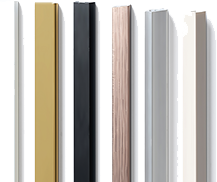
PVC Moulding
Sold by brand JinHuan
-
MDF Picture Frame
Sold by brand JinHuan

-
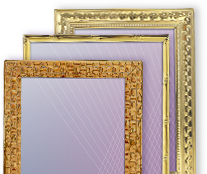
Iron Photo Frame
Sold by brand JinHuan
-
Plastic Injection Frame
Sold by brand JinHuan

-
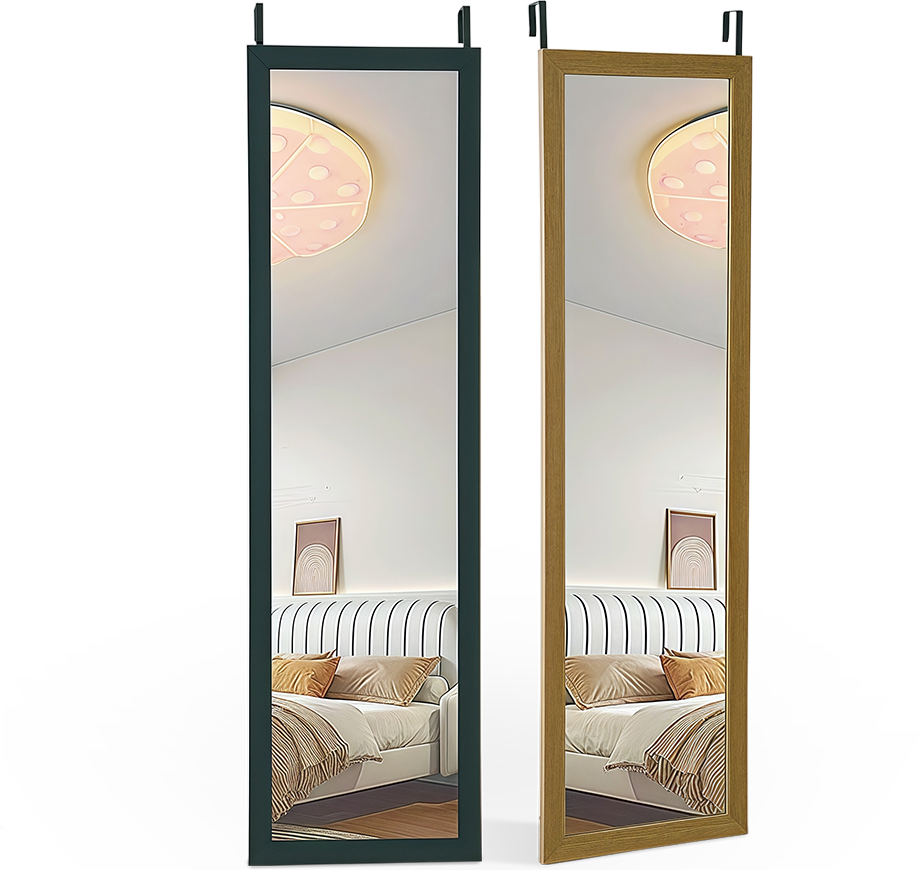
Mirror
Sold by brand JinHuan
-
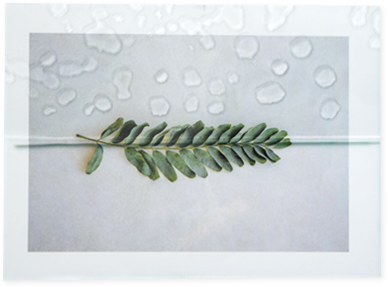
Glass Picture Frame
Sold by brand JinHuan
-
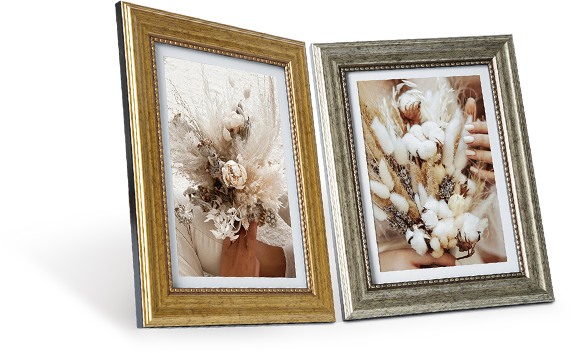
PS Picture Frame
Sold by brand JinHuan
-
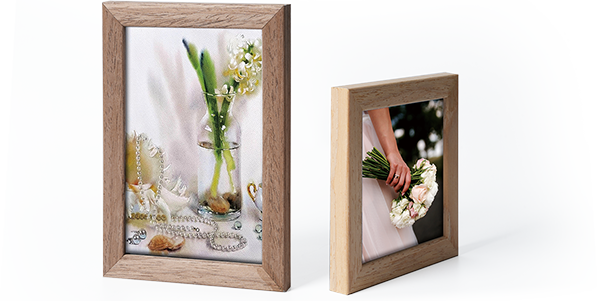
Solid Wood Picture Frame
Sold by brand JinHuan
-
Aluminum Alloy Picture Frame.
Sold by brand JinHuan

The Strengths and Craft of Oak Picture Frame Molding

Jinhuan's professional manufacturing solutions empower your premium product production.
Oak picture frame molding has long been valued for its combination of natural beauty, durability, and versatility. As a material for framing, oak offers a set of practical and aesthetic benefits that make it a reliable choice for both traditional and contemporary settings. The process of transforming raw oak into a finished molding involves several stages of skilled craftsmanship, each contributing to the final product's character and quality. Together, these advantages and processes explain the enduring popularity of oak in the framing industry.
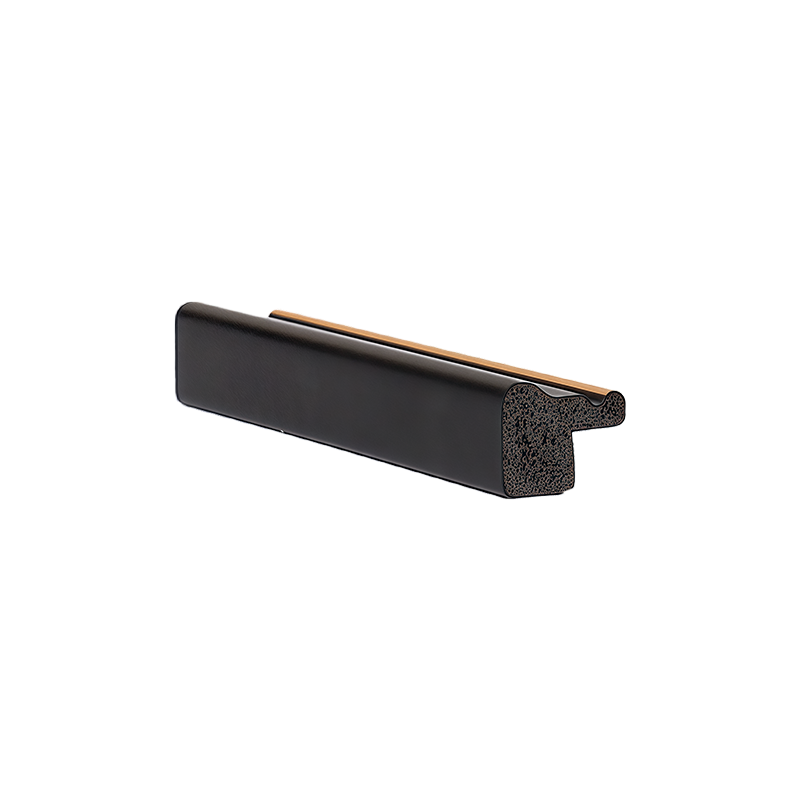
The advantages of using oak begin with its inherent structural properties. Oak is a hardwood known for its density and strength. This makes frames resistant to warping, denting, and other physical damage, ensuring that they can protect artwork effectively over long periods. Unlike softer woods or synthetic materials, a well-constructed oak frame provides substantial support for heavier glass and backing boards. Alongside its durability, oak possesses a distinctive
Each of the above topics is expanded point by point, listing small points and expanding
The Strengths and Craft of Oak Picture Frame Molding
Oak picture frame molding has long been valued for its combination of natural beauty, durability, and versatility. As a material for framing, oak offers a set of practical and aesthetic benefits that make it a reliable choice for both traditional and contemporary settings. The process of transforming raw oak into a finished molding involves several stages of skilled craftsmanship, each contributing to the final product's character and quality. Together, these advantages and processes explain the enduring popularity of oak in the framing industry.
Advantages of Oak Molding
Inherent Durability and Strength:
Oak is classified as a hardwood, meaning it possesses a dense, tight grain structure. This natural density makes it highly resistant to everyday wear and tear, including dents, scratches, and impacts. A frame made from oak is structurally robust, providing reliable support for the glass, artwork, and backing board it houses. This strength ensures the frame maintains its shape over time, protecting the contents within from physical damage better than many softer woods or composite materials.
Distinctive Aesthetic Appeal:
The visual character of oak is one of its primary attractions. Its prominent, often dramatic grain pattern is unique to each piece, ensuring that no two frames are exactly alike. This natural figuring adds depth and organic interest to the molding. Furthermore, oak is a receptive material for a variety of finishes. It can be stained in numerous shades, from light, natural tones that highlight its grain to darker stains that lend a more formal appearance. It also takes paint well, allowing for custom color options, while clear seals or oil finishes can enhance its natural warmth and texture.
Versatility in Design Styles:
The working properties of oak allow it to be milled into a wide array of profiles. It can be shaped into simple, clean lines for a modern, minimalist frame that complements contemporary art and photography. Conversely, its strength allows it to be carved into more elaborate, traditional profiles with intricate details for classic oil paintings or portraits. This adaptability means oak molding can be designed to suit a diverse range of aesthetics, from rustic and farmhouse to sleek and modern, making it a versatile choice for various decor styles.
Processing of Oak Molding
Initial Milling and Shaping:
The process begins with seasoned oak lumber being cut into rough blanks. These blanks are then fed through a series of specialized machines called molders or shapers. These machines use rotating cutter heads to shape the wood into the desired profile or cross-section. This step defines the basic shape of the molding, whether it is a simple flat strip, a complex ogee curve, or a deeply carved ornamental design. Precision at this stage is crucial for ensuring consistent dimensions and clean lines throughout the entire length of the molding.
Cutting and Joining:
Once the molding is shaped, it is cut to the specific lengths required for the frame. The ends of each piece are cut at a precise 45-degree angle to create mitred joints. The quality of these cuts is fundamental to the frame's construction, as any gap or misalignment will be visible in the final product. The cut pieces are then joined together. While modern facilities may use automated pneumatic nailers, traditional craftsmanship employs a v-nail or underpinner, which drives a small, v-shaped fastener into the back of the joint to pull it tightly together. Strong wood glue is always used in conjunction with the mechanical fasteners to ensure a permanent bond.
Your email address will not be published. Required fields are marked *
China Picture Frames Online Factory
Copyright © JinHuan Art & Craft Products Co., Ltd. All Rights Reserved.
