

 English
 Español
 日本語
日本語 عربى
عربى русский
-
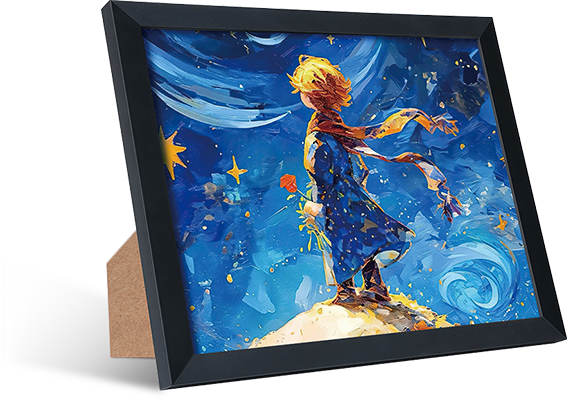
PVC Picture Frame
Sold by brand JinHuan
-
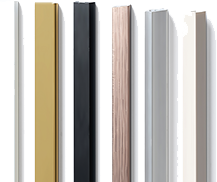
PVC Moulding
Sold by brand JinHuan
-
MDF Picture Frame
Sold by brand JinHuan

-
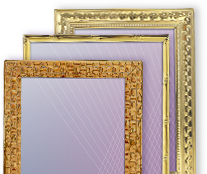
Iron Photo Frame
Sold by brand JinHuan
-
Plastic Injection Frame
Sold by brand JinHuan

-
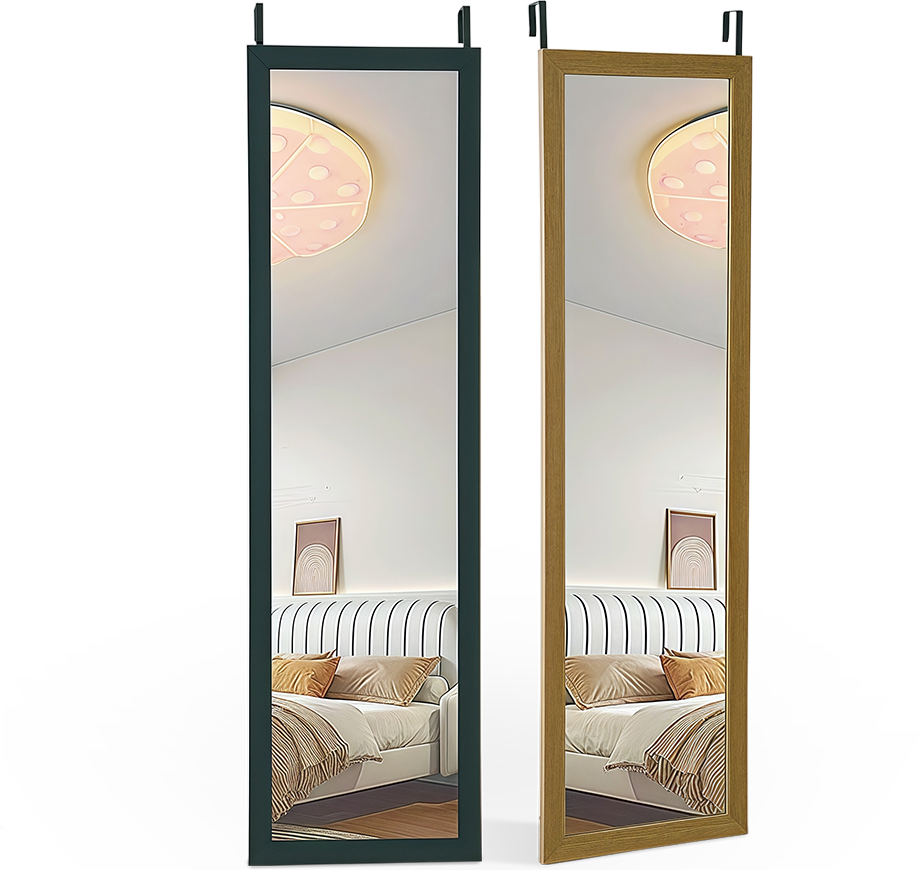
Mirror
Sold by brand JinHuan
-
Glass Picture Frame
Sold by brand JinHuan
-
PS Picture Frame
Sold by brand JinHuan
-
Solid Wood Picture Frame
Sold by brand JinHuan
-
Aluminum Alloy Picture Frame.
Sold by brand JinHuan
Options for Custom Picture Frame Wood Molding Trim

Jinhuan's professional manufacturing solutions empower your premium product production.
1. Types of Wood for Custom Picture Frame Molding
The wood used in picture frame molding plays a key role in both the frame's durability and its visual impact. There are several types of wood commonly used for custom picture frame molding, each with unique qualities.
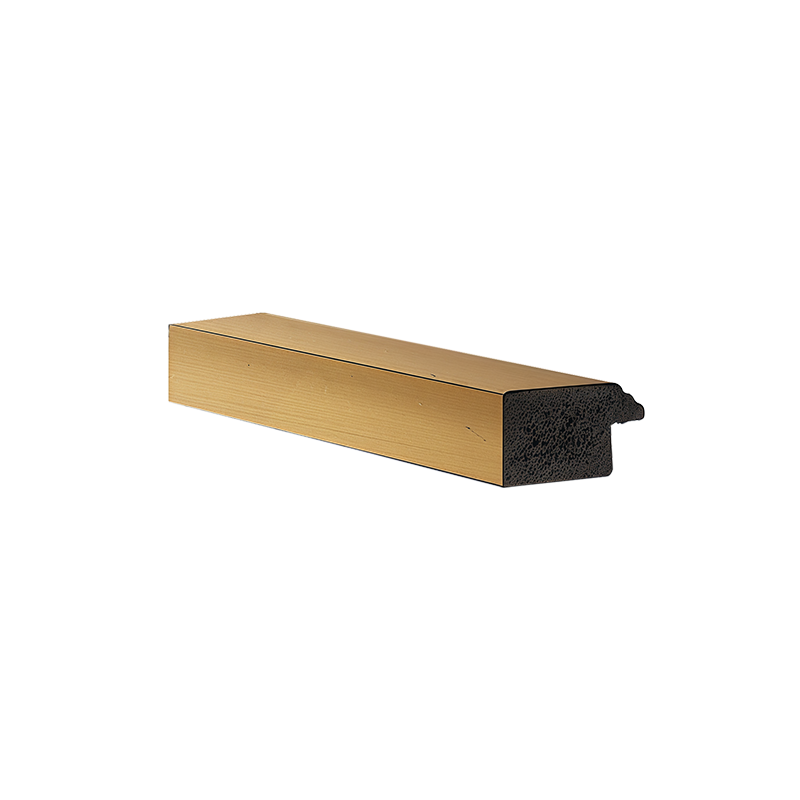
a) Oak Wood Molding
Oak is one of the popular choices for custom picture frame wood molding due to its strength, durability, and attractive grain pattern. Oak is a hardwood that can be stained or finished in various ways, from light to dark tones. Its prominent grain makes it ideal for rustic, traditional, or vintage-style frames. Oak molding provides a sturdy frame option that can withstand wear and tear over time. It is also relatively easy to customize with carvings or special finishes.
b) Maple Wood Molding
Maple is a fine-grained hardwood known for its smooth texture and pale color. It is often used for more modern or minimalist frame designs due to its clean, subtle look. Maple wood molding is highly versatile and can be painted or stained to achieve various finishes. Its relatively neutral appearance makes it ideal for frames that need to complement contemporary or understated artwork. Maple is also less prone to warping compared to other hardwoods, making it a reliable choice for custom picture framing.
c) Walnut Wood Molding
Walnut is a luxurious, dark hardwood that exudes elegance and sophistication. It is often chosen for high-end or classic designs, as it gives the frame a rich, deep color and smooth texture. Walnut wood molding trim is ideal for framing artwork that demands attention or for spaces where a refined, timeless look is desired. Walnut is also highly durable, making it suitable for long-term display and protection of valuable items.
d) Cherry Wood Molding
Cherry wood is prized for its reddish-brown hue, which deepens and darkens over time, adding a sense of character to the frame. Cherry wood molding is often used for traditional and antique-style frames, as it offers a vintage look and feel. This type of wood is particularly popular for framing portraits or fine art pieces. Cherry wood is strong and resistant to shrinking or expanding, making it ideal for custom molding that will retain its shape over time.
e) Pine Wood Molding
Pine is a softwood that is more affordable than hardwoods like oak or walnut, yet still provides a natural and rustic appearance. Pine wood molding is lightweight and easy to work with, making it a popular choice for DIY framing projects. While it may not have the same level of durability as hardwoods, pine is good for more casual frames or for those on a budget. It can be painted or stained in various shades to fit the desired aesthetic.
2. Styles and Profiles of Custom Wood Molding Trim
Once the type of wood is chosen, the next step is selecting the profile or shape of the molding trim. The profile determines the overall look and feel of the frame. Custom picture frame molding trim is available in a variety of shapes and styles to suit different types of artwork, room decor, and personal preferences.
a) Flat Molding
Flat molding features straight, simple lines with minimal ornamentation. This style is better suited for modern or minimalist frames where the artwork itself is the primary focus. Flat molding creates a sleek, clean look that works well in contemporary spaces. It is also often used for large frames that need a subtle trim that won’t overwhelm the piece inside.
b) Beaded Molding
Beaded molding features a decorative row of small, evenly spaced beads along the edge of the frame. This type of molding adds an element of texture and visual interest without being overly ornate. Beaded molding is commonly used in traditional or transitional-style frames, offering a refined yet subtle detail that complements both classic and modern artworks.
c) Carved Molding
Carved molding is typically more elaborate, with intricate patterns or designs that can include floral, geometric, or scrollwork elements. Carved wood molding is good for framing high-value artworks, such as portraits, historical prints, or antique paintings. This style of molding adds a sense of grandeur and sophistication to the frame, making it suitable for formal or classic interior designs.
d) Scoop Molding
Scoop molding features a concave shape along the edges of the frame, creating a curved, scooped-out appearance. This style adds depth and elegance, making it ideal for framing artwork that requires a more dramatic presentation. Scoop molding is often used in frames designed for larger pieces or for spaces where the frame should stand out as a focal point.
e) Ornate Molding
Ornate molding is highly decorative and features detailed carvings, gilded finishes, or embossing. This type of molding is typically used for luxury framing, where the frame itself becomes a piece of art. Ornate wood molding is often chosen for historical or classical artworks that require a frame with strong visual impact. It can be finished with gold, silver, or bronze leaf to enhance its grandeur.
Your email address will not be published. Required fields are marked *
China Picture Frames Online Factory
Copyright © JinHuan Art & Craft Products Co., Ltd. All Rights Reserved.
