

 English
 Español
 日本語
日本語 عربى
عربى русский
-
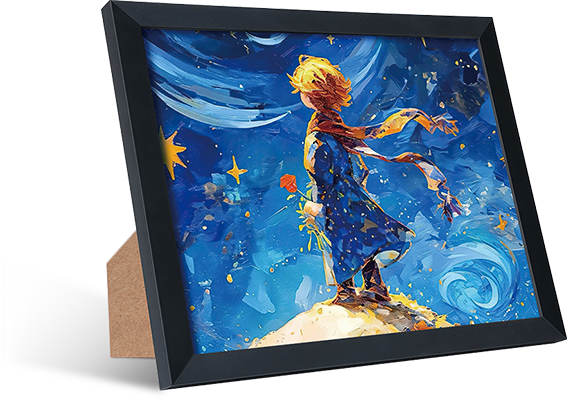
PVC Picture Frame
Sold by brand JinHuan
-
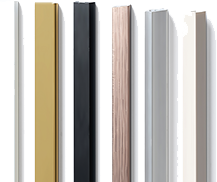
PVC Moulding
Sold by brand JinHuan
-
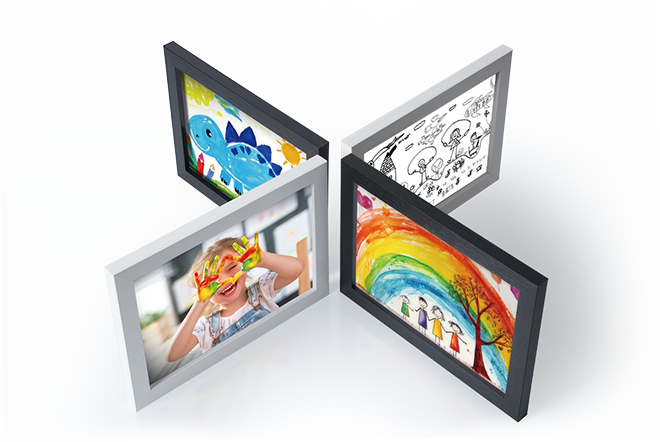
MDF Picture Frame
Sold by brand JinHuan
-
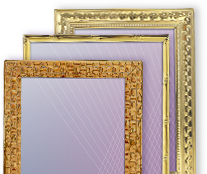
Iron Photo Frame
Sold by brand JinHuan
-
Plastic Injection Frame
Sold by brand JinHuan

-
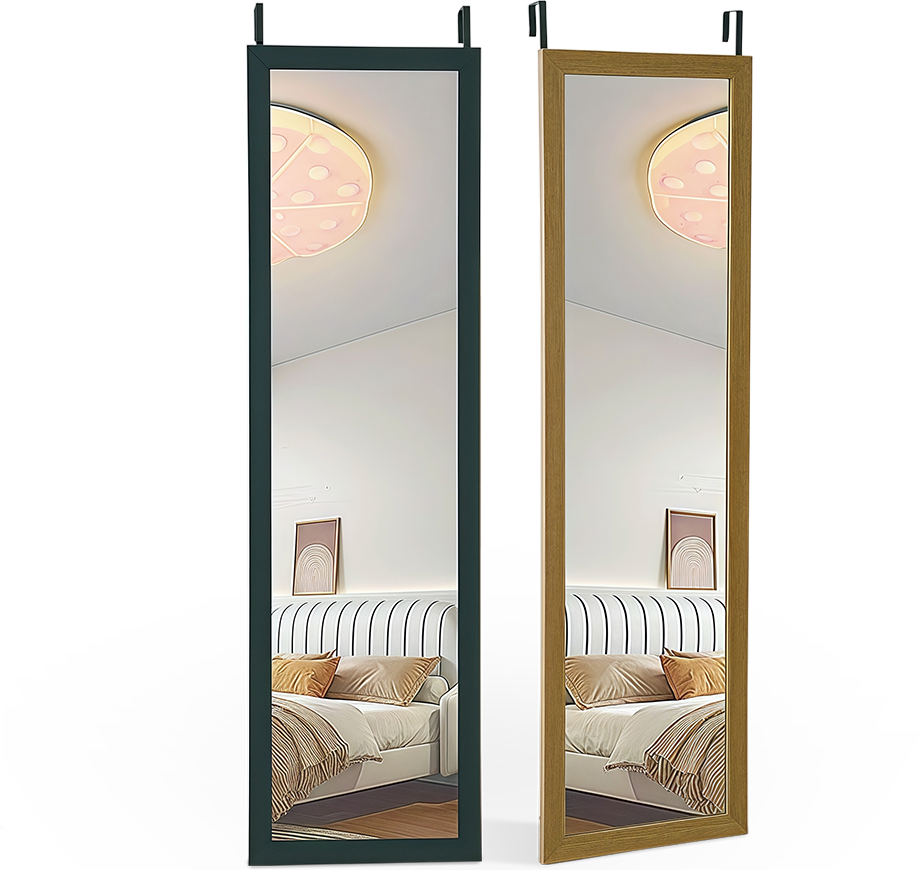
Mirror
Sold by brand JinHuan
-
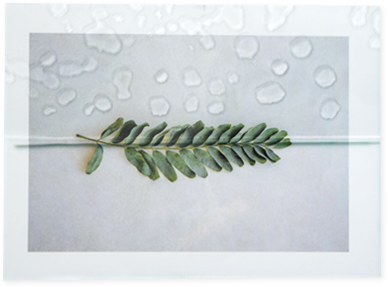
Glass Picture Frame
Sold by brand JinHuan
-
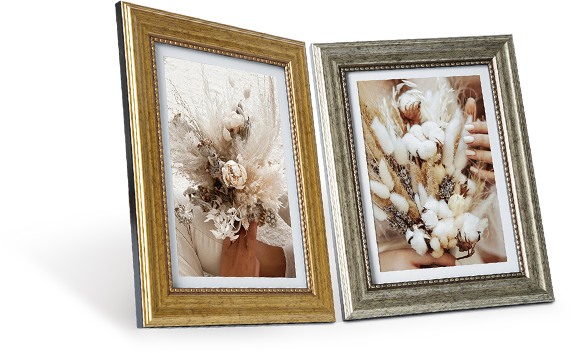
PS Picture Frame
Sold by brand JinHuan
-
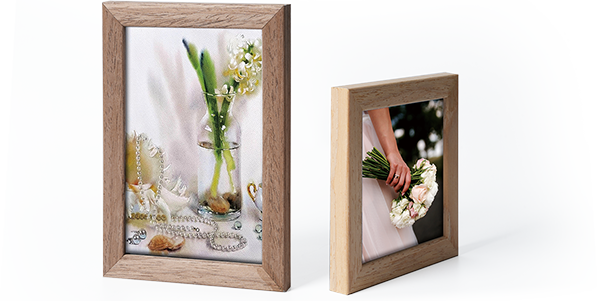
Solid Wood Picture Frame
Sold by brand JinHuan
-
Aluminum Alloy Picture Frame.
Sold by brand JinHuan
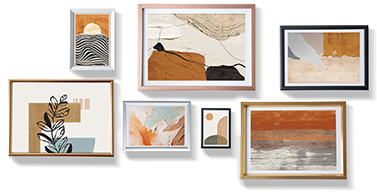
Types of Picture Frame Mouldings

Jinhuan's professional manufacturing solutions empower your premium product production.
Choosing the right picture frame is crucial for preserving and showcasing artwork, photographs, and personal mementos. One of the primary components of a picture frame is the moulding, which forms the outer structure that holds the artwork in place. Mouldings come in a wide variety of styles, materials, and sizes, each offering distinct advantages depending on the piece being framed and the aesthetic of the space.
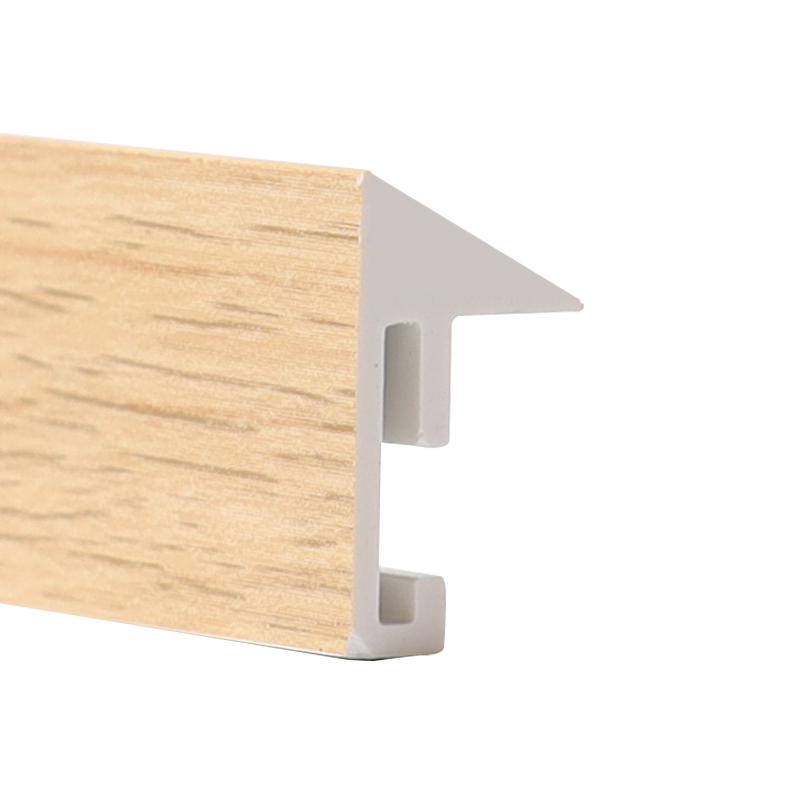
1. Wooden Picture Frame Mouldings
Wood is one of the traditional and popular materials for picture frame mouldings. Wooden frames offer a classic aesthetic, with an array of finishes that can suit virtually any type of artwork or decor. The beauty of wood lies in its natural grain and texture, which can add warmth and character to a room.
a) Natural Wood Mouldings
Natural wood mouldings, such as oak, cherry, and walnut, are prized for their authentic appearance. These mouldings often highlight the natural grain of the wood, providing a timeless and sophisticated look. They can be left untreated or stained to enhance the wood’s natural hues, or painted to match specific decor.
b) Painted and Lacquered Wood Mouldings
Wood mouldings can also be painted or lacquered in various finishes, from matte to glossy. White, black, and gold-painted wooden frames are common, providing a polished and cohesive look for different types of artwork. Lacquered frames have a glossy finish, offering a more refined and high-end appearance, while painted frames are often more affordable and versatile.
c) Carved Wood Mouldings
Carved wood frames have intricate detailing that can enhance the overall presentation of the artwork. These frames are typically used for more traditional or ornate decor, offering a classic, luxurious feel. Carved frames are often seen in historic homes or formal settings where the artwork is of high value or significance.
2. Metal Picture Frame Mouldings
Metal picture frame mouldings provide a sleek, modern, and minimalist option. These frames are durable, lightweight, and available in a wide range of colors and finishes, from matte to glossy and brushed to polished.
a) Aluminum Frames
Aluminum is a popular metal for picture frames because of its lightweight nature and strength. It’s a cost-effective option compared to other metals and can be molded into thin profiles, making it ideal for modern and contemporary styles. Aluminum frames are also highly resistant to corrosion, making them a great option for outdoor displays or high-moisture areas.
b) Brass and Steel Frames
Brass and steel are heavier metals used for frames that require more robust support. Brass frames, with their gold-like appearance, often evoke a vintage or elegant feel, while steel frames are good for industrial or modern decor. Steel frames can be finished in various ways, from brushed matte finishes to polished, reflective surfaces.
c) Custom Metal Mouldings
For those looking for something truly unique, custom metal mouldings can be designed to fit a specific artwork or theme. These frames can be powder-coated or anodized to achieve any desired color or finish. Custom metal frames are typically used for high-end pieces or for achieving a specific design that mass-produced frames can’t replicate.
3. Plastic and PVC Picture Frame Mouldings
Plastic and PVC mouldings are an affordable alternative to wood and metal. They are lightweight, durable, and often used for casual settings or for framing items that do not require high-end materials. Plastic and PVC mouldings can be designed to mimic the look of wood or metal, offering versatility and value for money.
a) PVC (Polyvinyl Chloride) Frames
PVC frames are made from a durable plastic material and are highly resistant to moisture and wear. These frames come in a variety of finishes, from glossy to matte, and are ideal for framing photographs or documents in environments where wood might warp due to humidity. PVC frames are also available in a range of colors and textures, making them highly customizable.
b) Injection-Molded Plastic Frames
Injection-molded plastic frames are mass-produced frames that offer a cost-effective solution for framing. These frames are made by injecting molten plastic into molds, creating uniform shapes in various styles. While less expensive than wood or metal frames, plastic frames can still offer appealing designs and are often used in schools, offices, or homes where high-volume framing is needed.
4. Canvas Floater Frames
Canvas floater frames are a specific type of frame designed for canvases that don’t require glass. These frames have a recessed inner edge that leaves a slight gap between the canvas and the frame, creating a "floating" effect. This style of frame is popular for stretched canvases and can enhance the appearance of modern or abstract artwork by showcasing the edges of the canvas.
a) Wooden Floater Frames
Wooden floater frames typically offer a clean, rustic look, often used for artwork that needs a more organic touch. They can be painted, stained, or left in their natural state to match the overall style of the room or artwork.
b) Metal Floater Frames
Metal floater frames provide a sleek and minimalist approach to presenting canvas artwork. The metallic finish can vary, from brushed aluminum to polished steel, providing an industrial or contemporary look.
Your email address will not be published. Required fields are marked *
China Picture Frames Online Factory
Copyright © JinHuan Art & Craft Products Co., Ltd. All Rights Reserved.
