

 English
 Español
 日本語
日本語 عربى
عربى русский
-
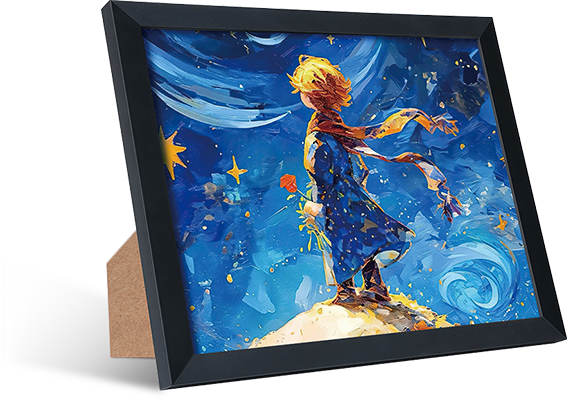
PVC Picture Frame
Sold by brand JinHuan
-
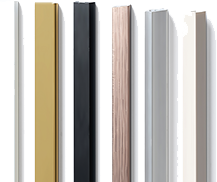
PVC Moulding
Sold by brand JinHuan
-
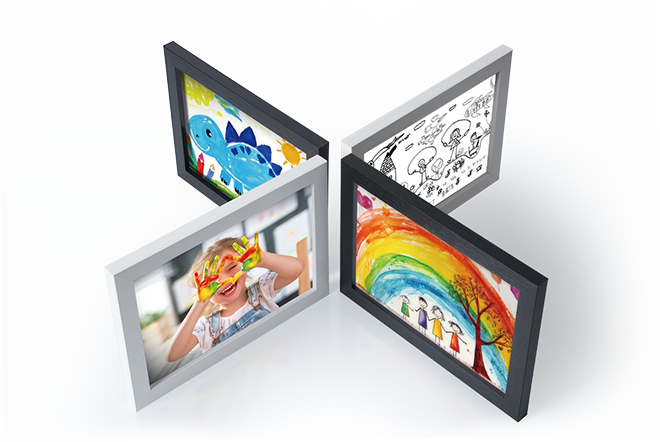
MDF Picture Frame
Sold by brand JinHuan
-
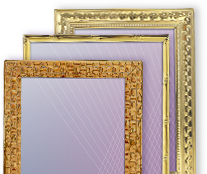
Iron Photo Frame
Sold by brand JinHuan
-
Plastic Injection Frame
Sold by brand JinHuan

-
Mirror
Sold by brand JinHuan
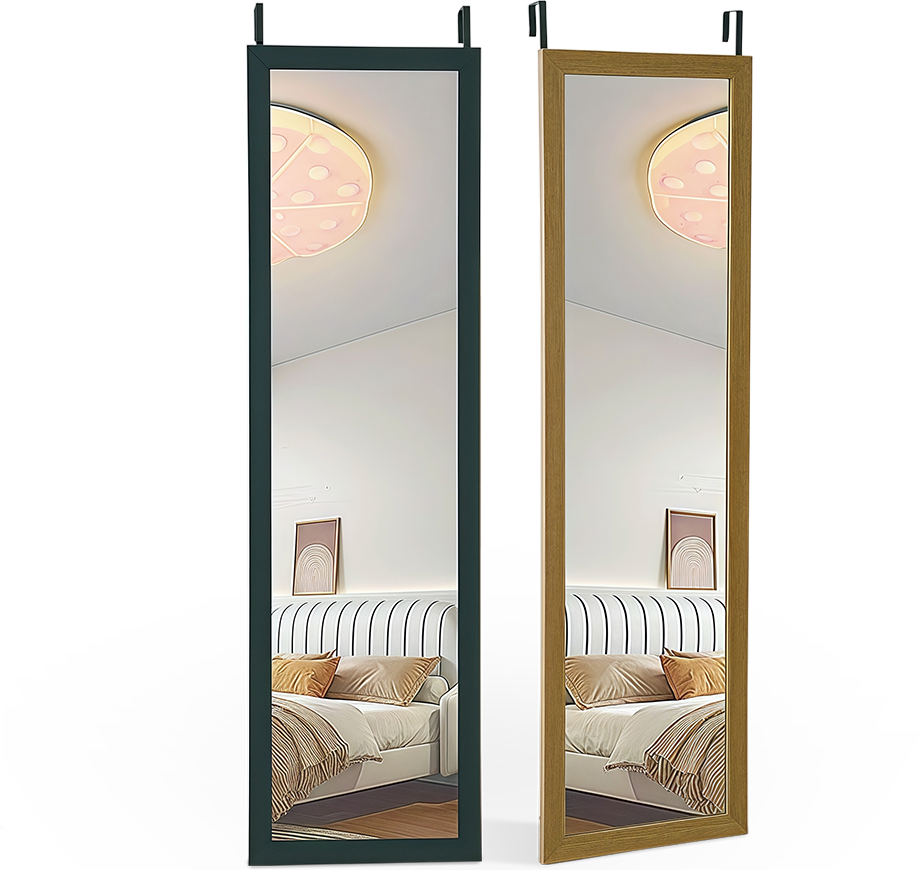
-
Glass Picture Frame
Sold by brand JinHuan
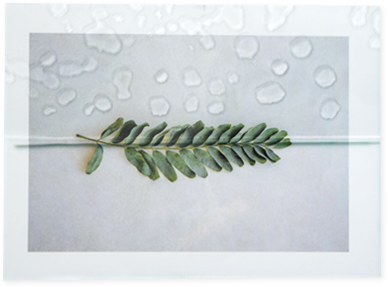
-
PS Picture Frame
Sold by brand JinHuan
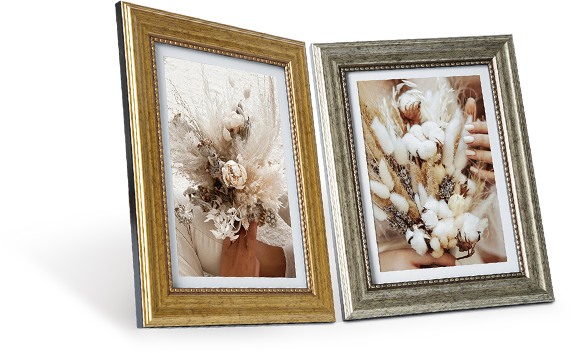
-
Solid Wood Picture Frame
Sold by brand JinHuan
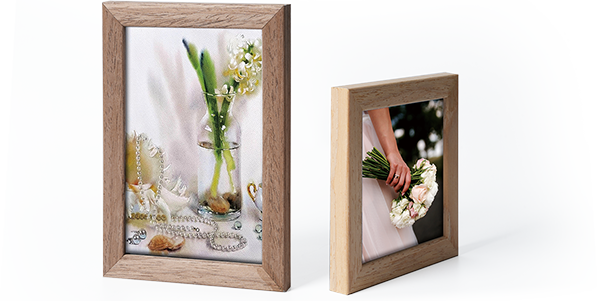
-
Aluminum Alloy Picture Frame.
Sold by brand JinHuan
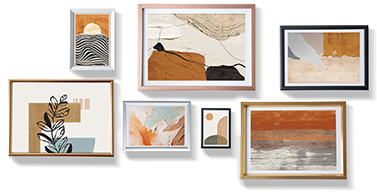
The Role of Trim in Picture Frame Design

Jinhuan's professional manufacturing solutions empower your premium product production.
Picture frame trim, often referred to as the molding or profile, is the defining element that shapes a frame's character and its relationship with the artwork it surrounds. Far from being merely a border, the trim serves multiple functional and aesthetic purposes, influencing the overall presentation and perceived value of the piece. The design of the trim involves careful consideration of width, depth, and profile, each contributing to the final effect in distinct ways.
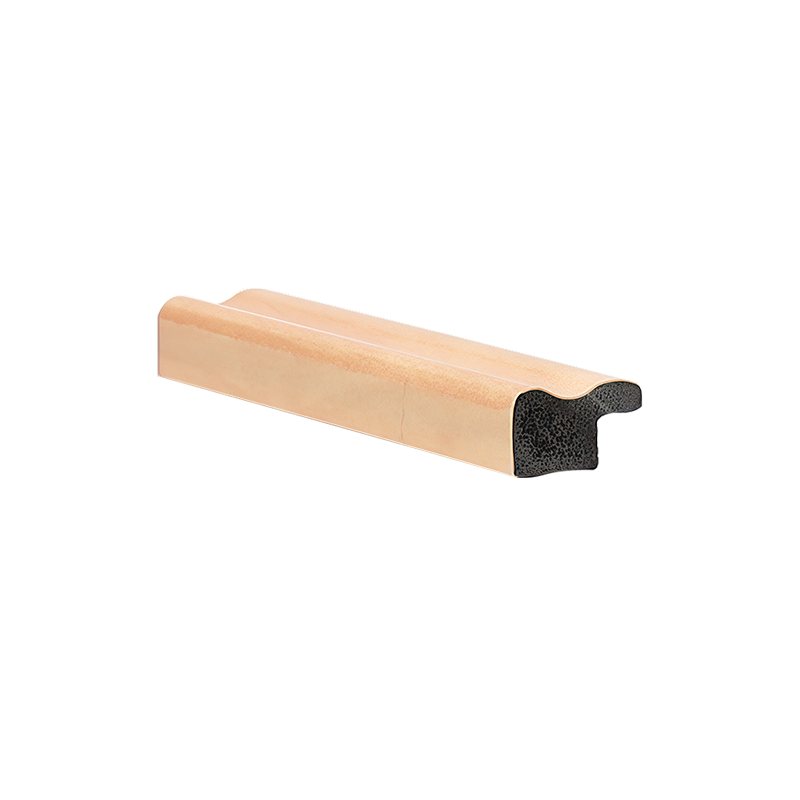
The width of the trim is a primary factor in establishing the frame's visual weight. A narrow, subtle trim provides a minimal border that contains the artwork without drawing significant attention to itself. This approach is often favored for modern photography or contemporary art, where the intention is to keep the viewer's focus solely on the image. Conversely, a wide trim makes a more substantial statement. It can act as a significant visual barrier between the artwork and its surrounding environment, giving a piece greater presence on a wall and often suggesting a sense of importance or traditional value. The depth of the trim, or its projection from the wall, also contributes to this effect. A deeper profile can create more pronounced shadows, adding a sense of depth and dimensionality that enhances the artwork's tactility.
The profile—the cross-sectional shape of the trim—offers endless design possibilities. A simple, flat profile conveys a clean, modern aesthetic. A liner profile, often used inside a larger frame, adds a thin, additional border that can provide contrast or complement the main molding. More complex profiles might include scoops, curves, steps, or even carved embellishments. These shapes play with light and shadow differently, altering the frame's reflectivity and texture. The choice of profile is crucial in achieving a specific style, whether it is the understated elegance of a simple bevelled edge or the dramatic presence of a deeply carved contour. Ultimately, the trim functions as an intermediary, carefully chosen to harmonize with both the artwork it displays and the space it inhabits.
Gold ornate picture frame molding represents a tradition of opulence and craftsmanship, often associated with historical art presentation and classical interior design. This style of molding is characterized by its intricate surface details and luxurious finish, designed to complement and enhance important artworks, mirrors, and architectural features. The creation and application of such molding involve specific techniques and considerations that contribute to its distinctive and enduring appeal.
The process of creating ornate molding often begins with wood or polyurethane that is shaped and carved. Traditional wood molding is crafted using specialized tools to carve intricate patterns by hand or machine. Common motifs include botanical elements like acanthus leaves, floral swags, and scrolling vines, as well as geometric patterns, egg-and-dart designs, and classical figures. Polyurethane alternatives offer a lighter and more affordable option, with details cast from molds taken from original wood carvings, replicating the complexity with precision. The application of the gold finish is a critical step. This is typically achieved through water gilding with genuine gold leaf for high-end pieces, which creates a deep, luminous glow, or with modern metallic leafing and high-quality gold paints that offer durability and a similar visual effect at a lower cost. The finish can vary from bright, polished gold to softer, brushed, or antique finishes where darker paints are rubbed into the recesses to highlight the depth of the carving and create an aged patina.
Your email address will not be published. Required fields are marked *
China Picture Frames Online Factory
Copyright © JinHuan Art & Craft Products Co., Ltd. All Rights Reserved.
