

 English
 Español
 日本語
日本語 عربى
عربى русский
-
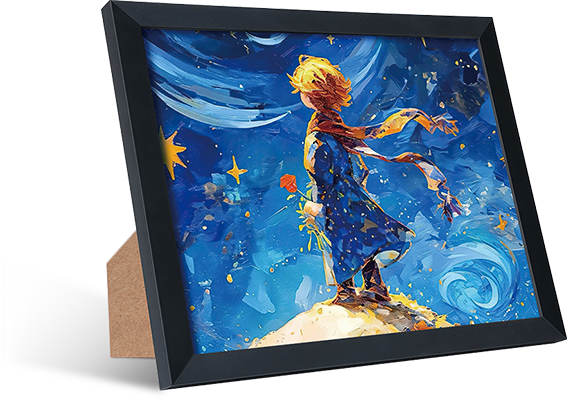
PVC Picture Frame
Sold by brand JinHuan
-
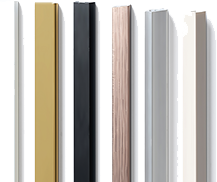
PVC Moulding
Sold by brand JinHuan
-
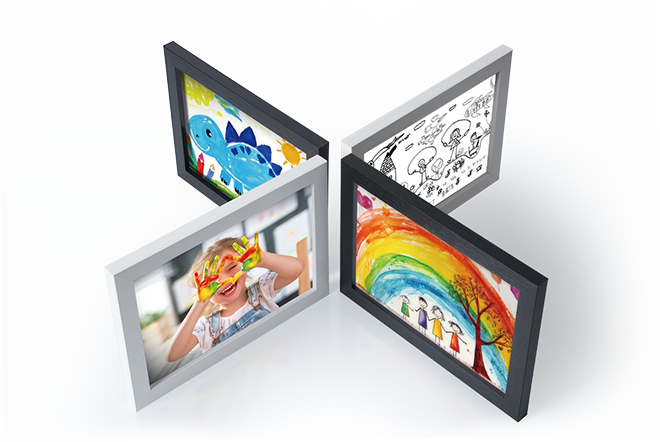
MDF Picture Frame
Sold by brand JinHuan
-
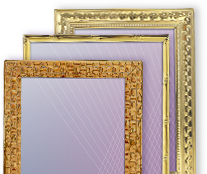
Iron Photo Frame
Sold by brand JinHuan
-
Plastic Injection Frame
Sold by brand JinHuan

-
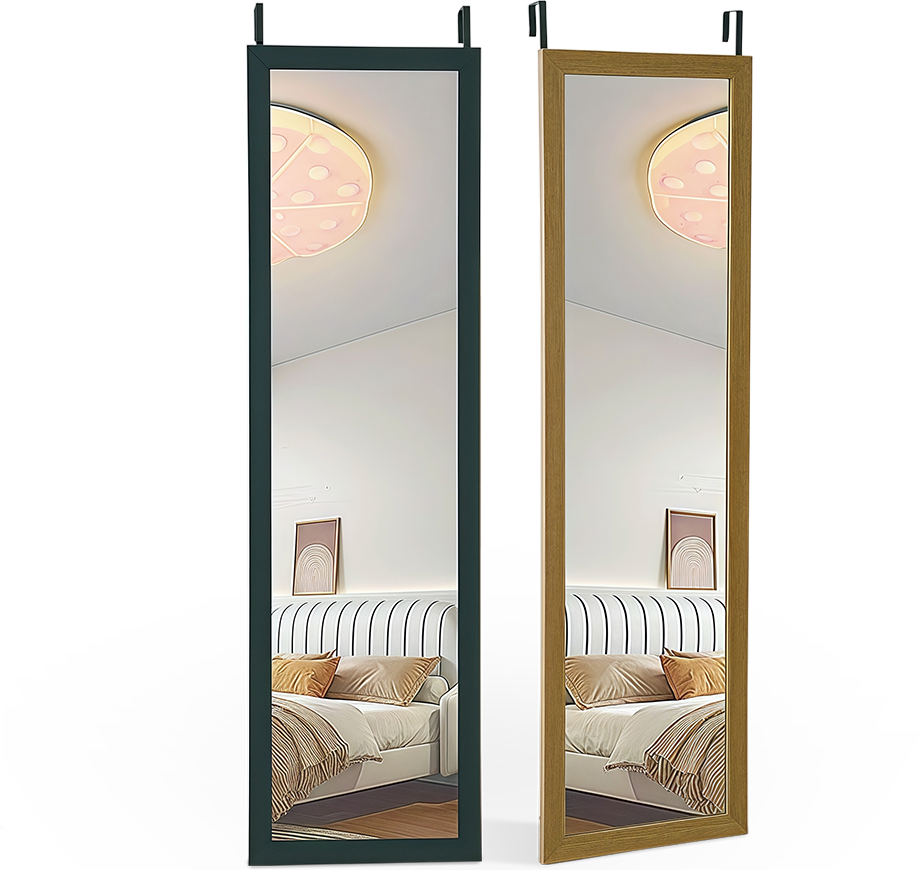
Mirror
Sold by brand JinHuan
-
Glass Picture Frame
Sold by brand JinHuan

-
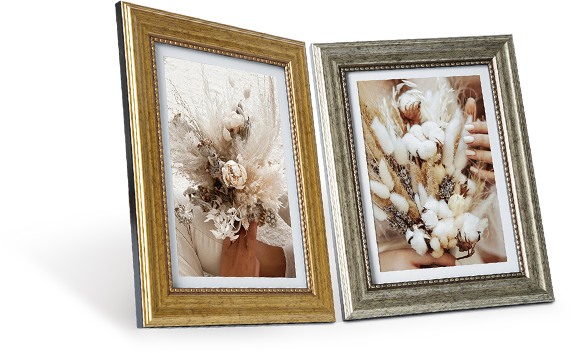
PS Picture Frame
Sold by brand JinHuan
-
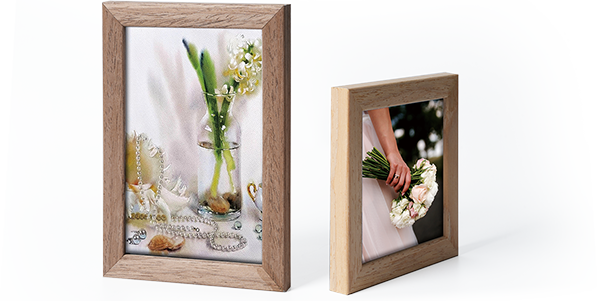
Solid Wood Picture Frame
Sold by brand JinHuan
-
Aluminum Alloy Picture Frame.
Sold by brand JinHuan

What Are The Characteristics of a Full-length Vanity Mirror?

Jinhuan's professional manufacturing solutions empower your premium product production.
Mirrors are fundamental elements in home decor, serving both functional and aesthetic purposes. They enhance the perception of space, reflect light, and act as striking focal points. The variety available allows homeowners to select styles that complement their interior design theme. Understanding the common types helps in making an informed choice for any room.
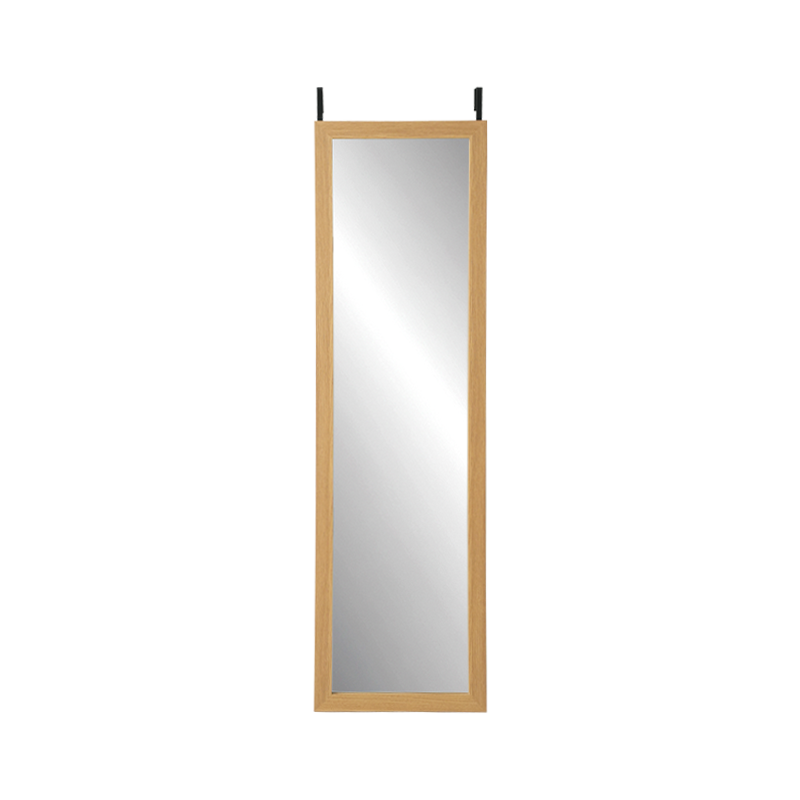
One prevalent category is the wall mirror. These are designed to be hung directly on a wall and come in numerous shapes and styles. Simple, rectangular mirrors with minimal frames are common in bathrooms and hallways for their practicality. More decorative versions, such as sunburst or scalloped mirrors, often serve as artistic statements in living rooms or entryways. Another significant type is the leaning floor mirror. These tall, freestanding mirrors are popular in bedrooms and dressing areas. They offer flexibility, as they can be moved easily, and their angled placement creates a relaxed, modern vibe. They often feature frames in materials like wood or metal to match room furnishings.
Specialized mirrors also play key roles. Console mirrors are designed to be hung above a entryway table or console table, typically being long and horizontal to balance the furniture beneath them. Decorative accent mirrors include smaller, intricately designed pieces that add character to a space without a primary functional need. Their unique shapes and framed designs can complement a room’s color scheme or architectural details. Ultimately, the type of mirror selected depends on its intended location and purpose, whether for daily use, enhancing light, or simply completing a room’s decorative ensemble.
A full-length vanity mirror is a specific type of mirror designed primarily for personal grooming and outfit coordination. It combines the reflective capacity of a full-length mirror with features that enhance its utility in a dressing area. Its characteristics are defined by its size, functional design, and integration into personal spaces.
The defining feature is its size. As a full-length mirror, it is tall enough to reflect a person’s entire body from head to toe. This requires a height that is practical for users, allowing for a complete view when selecting outfits or assessing appearance. Beyond mere reflection, many vanity mirrors include magnification panels. These are often adjustable sections or attached handheld mirrors with magnified surfaces to facilitate detailed tasks like applying makeup or skincare. This combination of full-body and detailed views is a key functional advantage.
Design elements are also important. Vanity mirrors are typically part of a larger furniture piece or a dedicated setup. They may be attached to a dressing table, incorporated into a closet door, or mounted on a stand that includes storage for cosmetics and accessories. The lighting integrated around the mirror is another critical characteristic. Built-in LED lights or side sconces provide even, shadow-free illumination, which is essential for accurate color representation and detailed grooming tasks. Portability is a common feature in modern designs; many standalone vanity mirrors on wheels or lightweight frames can be moved to capture the natural light. These characteristics—full-length reflection, magnification, integrated storage, dedicated lighting, and often mobility—make the vanity mirror a specialized and valuable piece of furniture in a bedroom or dressing room.
Your email address will not be published. Required fields are marked *
China Picture Frames Online Factory
Copyright © JinHuan Art & Craft Products Co., Ltd. All Rights Reserved.
