

 English
 Español
 日本語
日本語 عربى
عربى русский
-
PVC Picture Frame
Sold by brand JinHuan

-
PVC Moulding
Sold by brand JinHuan

-
MDF Picture Frame
Sold by brand JinHuan

-
Iron Photo Frame
Sold by brand JinHuan

-
Plastic Injection Frame
Sold by brand JinHuan

-
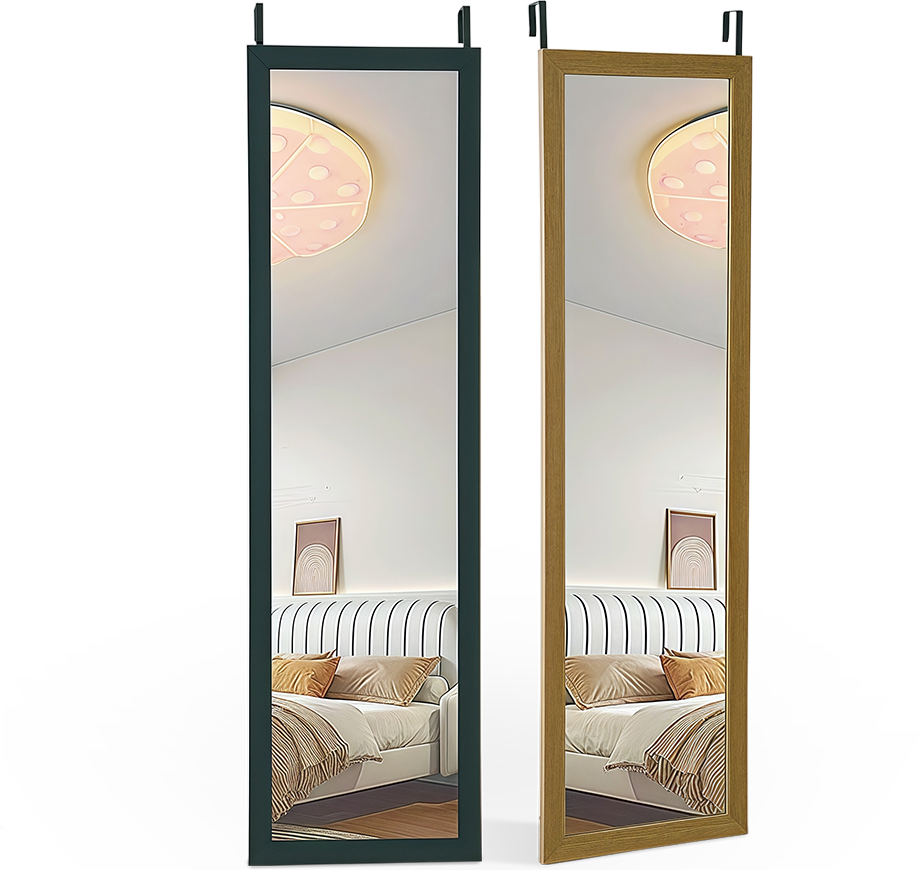
Mirror
Sold by brand JinHuan
-
Glass Picture Frame
Sold by brand JinHuan

-
PS Picture Frame
Sold by brand JinHuan

-
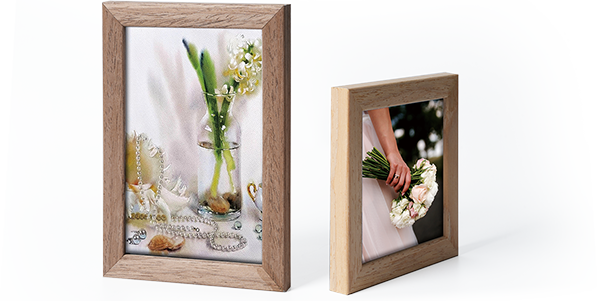
Solid Wood Picture Frame
Sold by brand JinHuan
-
Aluminum Alloy Picture Frame.
Sold by brand JinHuan

How to Choose Vertical Room Wood Framed Mirrors?

Jinhuan's professional manufacturing solutions empower your premium product production.
Mirrors have always been an essential part of home decor, serving both functional and aesthetic purposes. Whether they are placed in the entryway, living room, bathroom, or bedroom, mirrors can amplify natural light, make spaces feel larger, and enhance the overall style of the room.
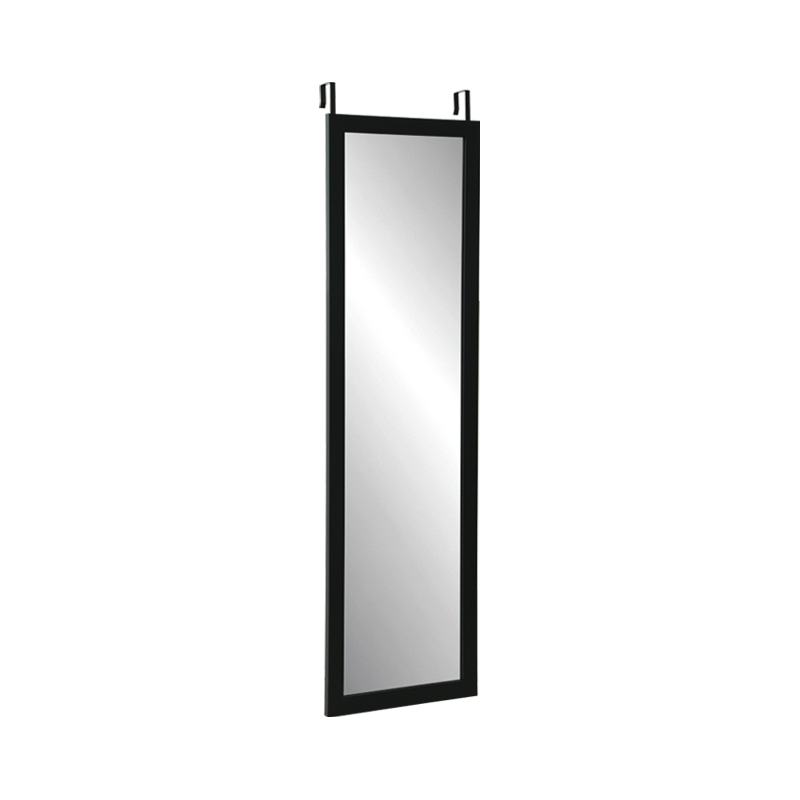
Mirrors can:
Reflect Light: By placing a mirror opposite a window or light source, you can reflect natural light, making the room brighter and more inviting.
Create a Sense of Space: In small or narrow rooms, a vertical mirror can create the illusion of depth, making the space feel more expansive and open.
Enhance Aesthetics: A well-chosen mirror can serve as a statement piece, enhancing the overall design and ambiance of the room. Vertical mirrors, in particular, add height to the space, drawing the eye upward and creating a feeling of elevation and openness.
2. Consider the Room's Style and Design
One of the important aspects of choosing a vertical wood framed mirror is ensuring it matches the style of the room. Wood-framed mirrors offer a versatile and timeless look, but the design and finish of the frame can vary widely. Here are some key considerations to help you match the mirror’s style to the room’s decor:
a) Match with Existing Furniture and Colors
When selecting a vertical wood-framed mirror, it is important to consider how the frame will harmonize with the existing furniture and color scheme. If your room features rustic furniture, a weathered wood frame might complement the space. For a more modern or contemporary room, you might opt for a sleek, minimalist frame made of polished wood or a lighter tone, such as oak or ash.
In a traditional or vintage-style room, a more ornate or intricately carved wood frame would work well. These frames often feature detailed patterns and molding that suit spaces with more elaborate furniture and decor. Alternatively, for a bohemian or eclectic space, an exotic or distressed wood frame could bring a touch of character and charm.
b) Choosing the Right Finish
The finish of the wood frame can significantly impact the mirror’s overall appearance. Wood frames can be stained, painted, lacquered, or left natural, depending on the desired look. For example:
Dark-stained wood (like walnut or mahogany) tends to add richness and warmth to a room, making it good for more formal or classic settings.
Light wood finishes, such as pine or oak, lend themselves well to casual, contemporary, or Scandinavian styles, providing a fresh, airy feel.
White or black painted wood frames are versatile options that can easily blend with a variety of interior styles, offering a sleek and modern look without overwhelming the space.
3. Choosing the Right Size and Proportion
The size of the vertical wood-framed mirror is another crucial consideration. It should complement the dimensions of the room and be proportionate to the furniture and wall space.
a) Room Size and Mirror Placement
For small rooms, opt for a mirror that is slightly larger than the furniture piece it is placed next to, such as a console table or dresser. A large vertical mirror can help open up the space, making the room feel bigger than it actually is. However, avoid choosing a mirror that is too large for the wall, as it can overpower the room and cause a cluttered appearance.
In larger rooms, a more substantial mirror can be used as a focal point. For example, a tall mirror in the entryway or living room can help balance out a wide space, drawing the eye upward and creating visual interest. It’s important to ensure that the mirror fits well within the scale of the room.
b) Height and Proportion of the Frame
Vertical mirrors naturally draw attention to height, so they work well in spaces with high ceilings. When choosing the frame’s dimensions, ensure that the proportions are balanced. For example, a tall, narrow frame can work well in smaller rooms, while wider mirrors with a broader frame are better suited for larger spaces or rooms with high ceilings.
Your email address will not be published. Required fields are marked *
China Picture Frames Online Factory
Copyright © JinHuan Art & Craft Products Co., Ltd. All Rights Reserved.
