

 English
 Español
 日本語
日本語 عربى
عربى русский
-
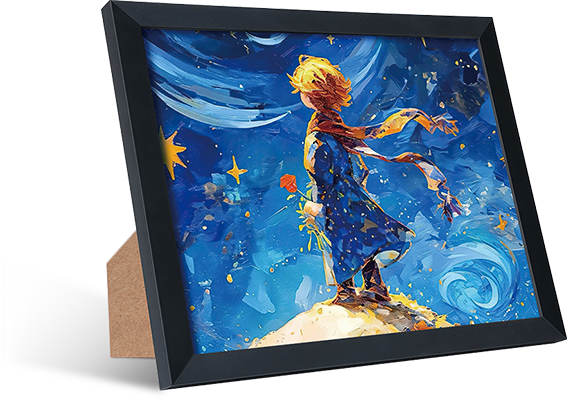
PVC Picture Frame
Sold by brand JinHuan
-
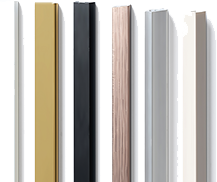
PVC Moulding
Sold by brand JinHuan
-
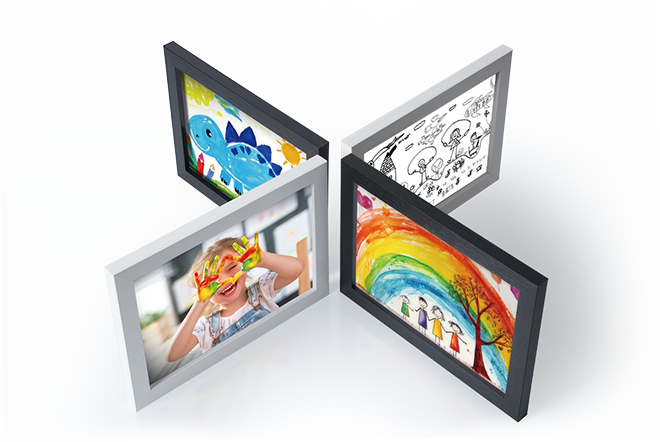
MDF Picture Frame
Sold by brand JinHuan
-
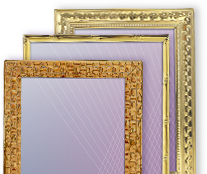
Iron Photo Frame
Sold by brand JinHuan
-
Plastic Injection Frame
Sold by brand JinHuan

-
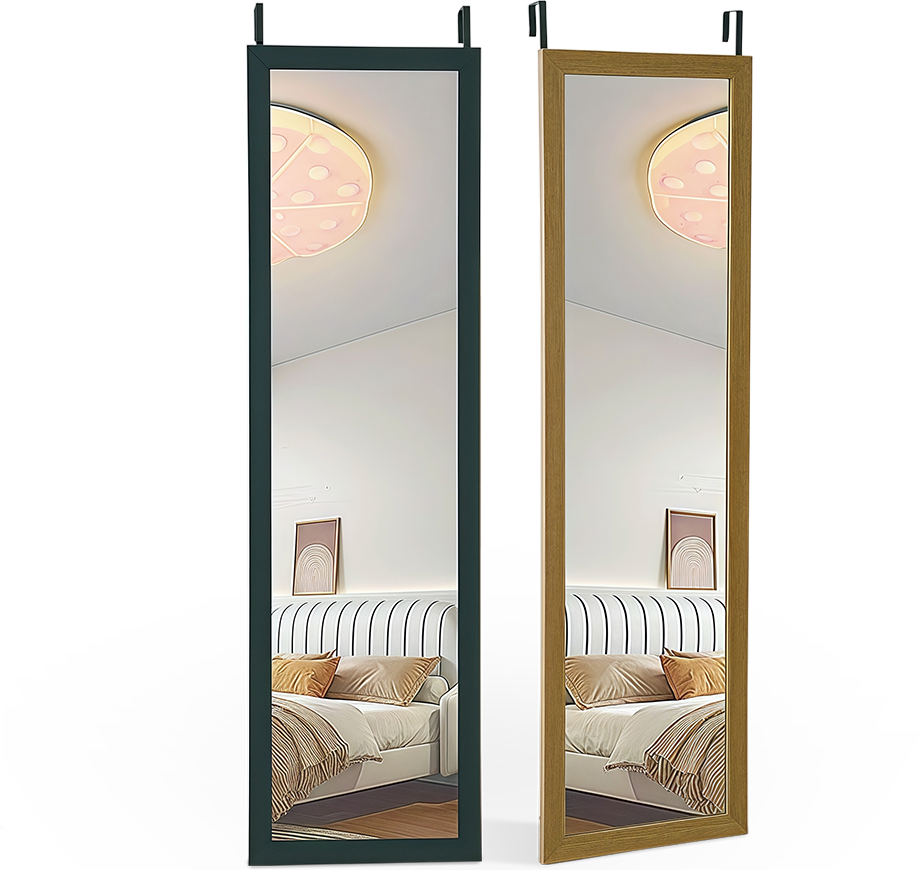
Mirror
Sold by brand JinHuan
-
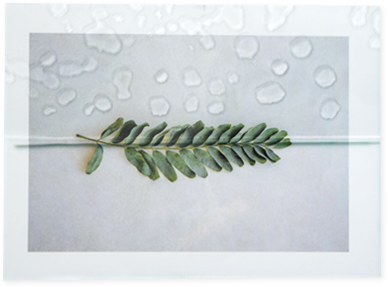
Glass Picture Frame
Sold by brand JinHuan
-
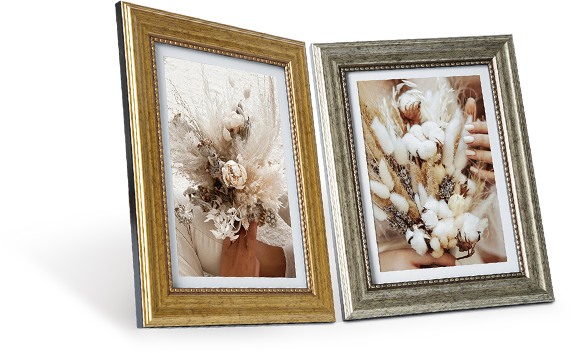
PS Picture Frame
Sold by brand JinHuan
-
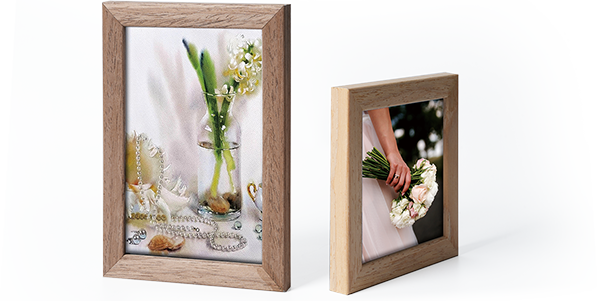
Solid Wood Picture Frame
Sold by brand JinHuan
-
Aluminum Alloy Picture Frame.
Sold by brand JinHuan
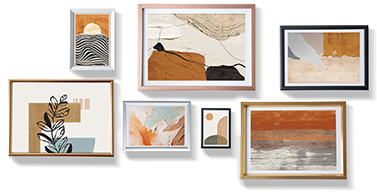
What Are the Disadvantages of Wall Picture Frames?

Jinhuan's professional manufacturing solutions empower your premium product production.
Wall picture frames have several disadvantages that can affect both functionality and aesthetics. One of the main drawbacks is the risk of damage from exposure to light, humidity, and dust. Over time, direct sunlight can cause photos and artwork to fade, and high humidity can bring about warping or mold growth, especially if the frame is not sealed properly.
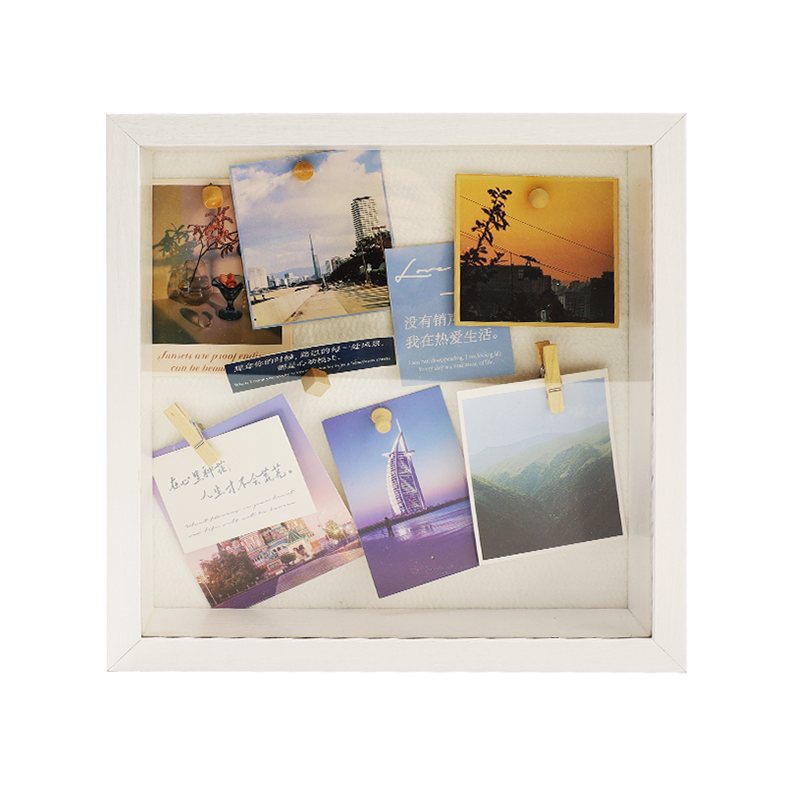
Frames can crack, chip, or break if they fall or are knocked off the wall. Glass frames are particularly vulnerable, and broken glass can pose safety risks. Even frames made from wood or plastic can be damaged by impact or pressure.
Additionally, wall picture frames require careful maintenance. Dust and fingerprints can accumulate on the glass surface, reducing clarity. Cleaning must be done carefully to avoid scratching the glass or damaging the frame finish.
A further drawback is installation complexity. Hanging frames requires proper hardware and accurate measurement to ensure alignment. Improper installation can bring about uneven placement or frames falling off the wall. For larger frames, professional installation may be necessary, adding cost and effort.
Wall Picture Frames: What Can We Know?
Understanding wall picture frames involves recognizing key factors such as material, size, style, and protective features. These factors influence both appearance and functionality.
Material affects durability and appearance
Wall frames are commonly made from wood, metal, plastic, or composite materials. Wood frames offer a classic look but may be heavier and more sensitive to humidity. Metal frames are durable and modern, while plastic frames are lightweight and often more affordable.
Glass or acrylic impacts protection and safety
Glass provides clear visibility and scratch resistance, but it is heavier and more fragile. Acrylic is lighter and shatter-resistant, making it suitable for high-traffic areas or homes with children.
Size and proportion matter
The size of the frame should match the wall space and the artwork or photo. Oversized frames can dominate a room, while small frames may appear insignificant. A well-proportioned frame enhances the visual balance of the display.
Style and decor compatibility
Frames come in various styles, including modern, traditional, rustic, and minimalist. Choosing a frame that complements the room's decor creates a cohesive look.
Protective features influence longevity
Some frames include UV-resistant glass or backing to reduce fading. Sealed frames prevent dust and moisture from entering, improving preservation.
Mounting options affect stability
Frames may use hooks, sawtooth hangers, or wire systems. The choice depends on the frame weight and wall type.
Choosing the Right Frame for Different Spaces
Selecting the right wall frame requires balancing aesthetics, practicality, and environment. In living rooms and offices, wood or metal frames are popular for their visual appeal and durability. For high-humidity areas such as bathrooms or kitchens, moisture-resistant frames and sealed backing help prevent warping. In children's rooms or high-traffic areas, acrylic frames are a safer choice due to their shatter-resistant properties.
When choosing the frame style, consider the artwork or photo and the room's decor. Minimalist frames work well with modern interiors, while ornate frames complement traditional settings. For gallery walls, using a consistent frame color or material can create a unified look, even if the artwork varies.
Size is also critical. Large frames require more robust wall hardware and may need multiple mounting points. For smaller frames, grouping several pieces together can create visual interest and fill wall space effectively.
Installation and Maintenance Practices
Proper installation ensures stability and prevents accidents. For heavier frames, use wall anchors or screws designed for the wall type (drywall, brick, or plaster). Measure carefully and use a level to ensure alignment. When hanging multiple frames, consider using a template or layout plan to maintain consistent spacing.
Maintenance includes regular dusting and careful cleaning. Use a soft, dry cloth for the frame surface, and a glass cleaner for glass frames. Avoid abrasive materials that can scratch the surface. For frames with acrylic, use a cleaner specifically designed for acrylic to prevent clouding.
If frames are exposed to sunlight, consider using UV-resistant glass or repositioning them to reduce direct exposure. In humid environments, ensure the room has proper ventilation to prevent moisture buildup behind the frame.
Your email address will not be published. Required fields are marked *
China Picture Frames Online Factory
Copyright © JinHuan Art & Craft Products Co., Ltd. All Rights Reserved.
