

 English
 Español
 日本語
日本語 عربى
عربى русский
-
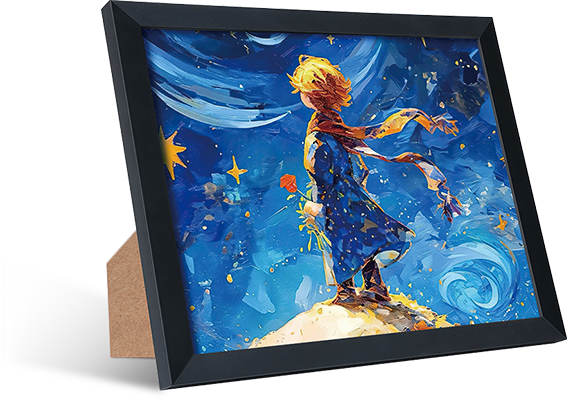
PVC Picture Frame
Sold by brand JinHuan
-
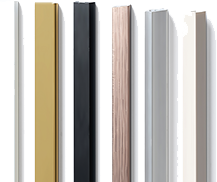
PVC Moulding
Sold by brand JinHuan
-
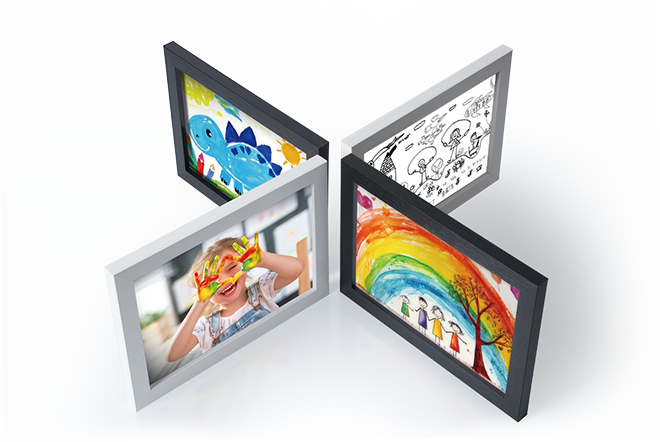
MDF Picture Frame
Sold by brand JinHuan
-
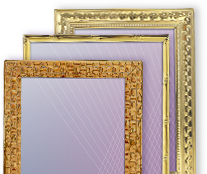
Iron Photo Frame
Sold by brand JinHuan
-
Plastic Injection Frame
Sold by brand JinHuan

-
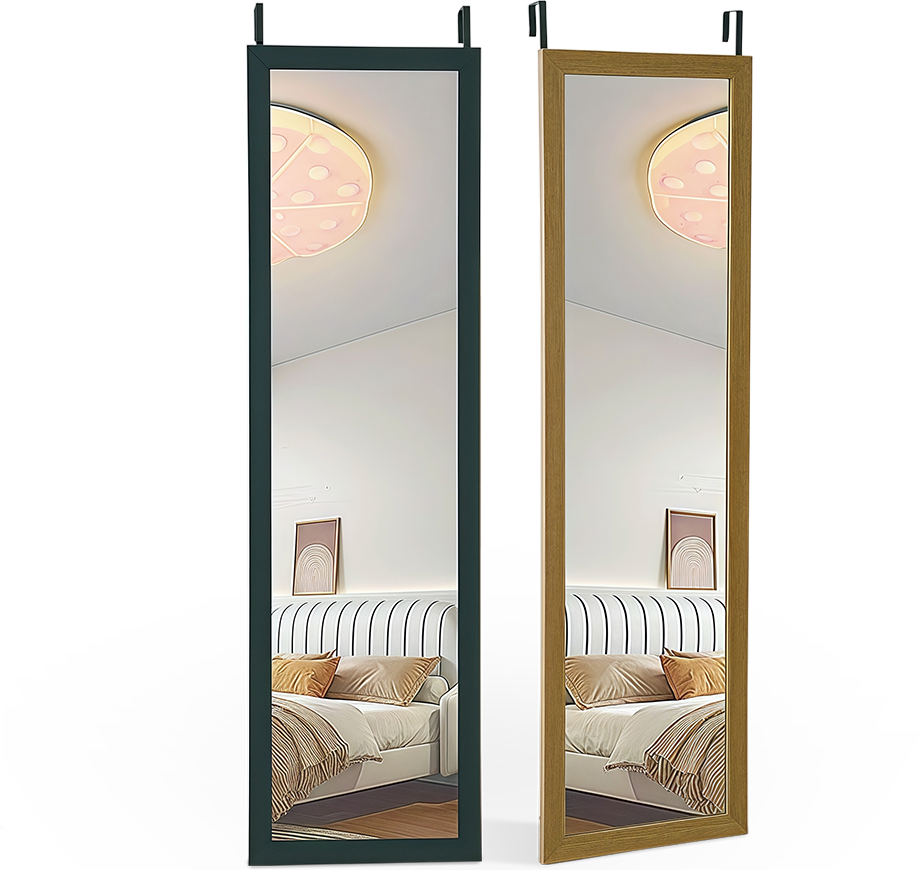
Mirror
Sold by brand JinHuan
-
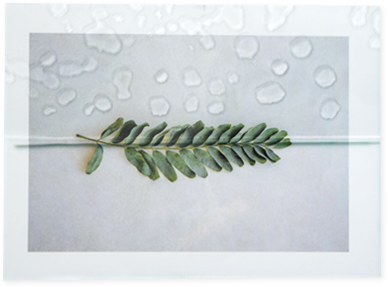
Glass Picture Frame
Sold by brand JinHuan
-
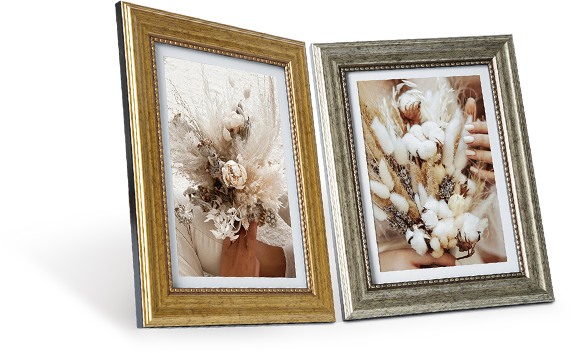
PS Picture Frame
Sold by brand JinHuan
-
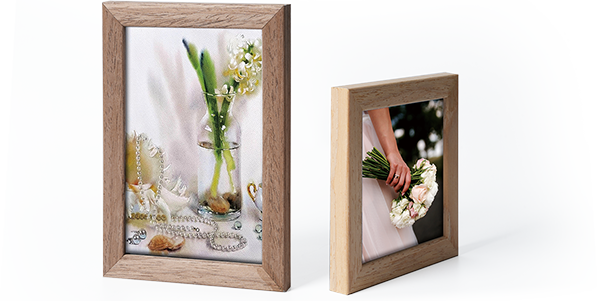
Solid Wood Picture Frame
Sold by brand JinHuan
-
Aluminum Alloy Picture Frame.
Sold by brand JinHuan
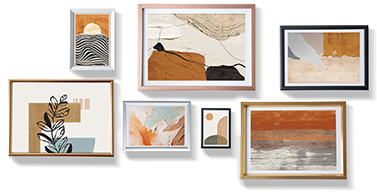
What Are the Differences Between MDF Photo Frames and Others?

Jinhuan's professional manufacturing solutions empower your premium product production.
Material Composition and Affordability
The primary difference between MDF photo frames and other types of frames lies in their material composition. MDF is made by compressing wood fibers, resin, and wax under high pressure to form dense, strong sheets. This engineered wood product is cost-effective and versatile, allowing manufacturers to produce frames at a lower cost compared to solid wood frames, which are made from whole pieces of timber.
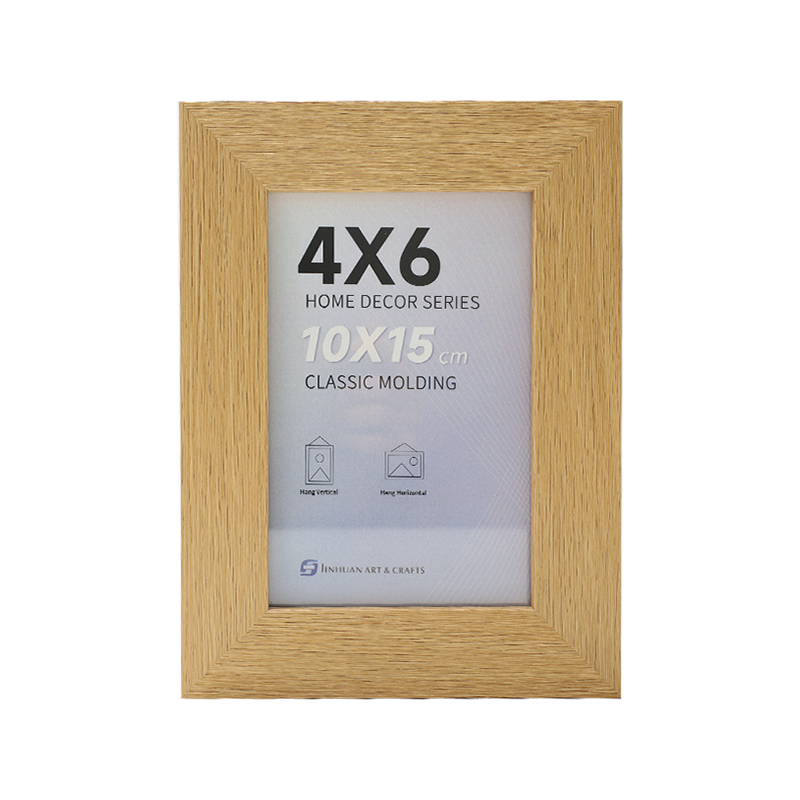
MDF frames are typically more affordable than wooden, metal, or glass frames, making them a popular choice for individuals seeking budget-friendly framing options. While wood frames, particularly those made from hardwoods like oak or walnut, are known for their natural beauty and robustness, MDF offers a more economical alternative without sacrificing too much in terms of durability or appearance. Plastic frames, although cheaper, often lack the sturdiness and high-quality feel of MDF, making MDF frames a good balance between cost and quality.
In contrast, metal and glass frames tend to be more expensive due to their materials and manufacturing processes. For example, metal frames offer a sleek and modern aesthetic but can be much heavier and prone to scratches. Glass frames, while offering a high-end, polished look, are more fragile and can be easily damaged or scratched.
Design Flexibility and Customization
MDF photo frames offer greater design flexibility compared to other materials like solid wood, plastic, or metal. MDF is a versatile material that can be easily cut, shaped, and molded into various sizes and styles, allowing for a wide range of customization options. Manufacturers can create MDF frames in many different styles, from classic, simple frames to more intricate, decorative designs that can mimic the appearance of real wood or even marble.
Another advantage of MDF is its ability to accept a wide range of finishes and paint applications. While wood frames typically require sanding, staining, or varnishing, MDF frames can be painted in any color, offering more design options to match various home decors. They can also be embossed, textured, or laminated to give them the appearance of more expensive materials.
Plastic frames, on the other hand, may have limited color and texture options, and while metal frames offer a modern look, they are often more rigid and less customizable in terms of finishes. Glass frames, although elegant, lack the ability to be customized in terms of texture or color, as they are typically clear and need to maintain their transparency.
Durability and Protection
In terms of durability, MDF photo frames are highly resistant to cracking and warping, especially when compared to wooden frames, which are susceptible to changes in temperature and humidity. MDF is a stable material that is less likely to expand or shrink, which makes it a reliable option for long-term use, especially in areas with fluctuating moisture levels.
While MDF frames are durable, they are not as sturdy as metal frames, which offer strength. However, metal frames can be heavier and prone to scratches. Wood frames, particularly those made from softwoods, may be more prone to dents or scratches, making MDF a better alternative for those who need a balance of durability and weight.
In terms of protection, many MDF frames are equipped with a protective glass or acrylic cover, which helps safeguard the photo from dust, dirt, and physical damage. Glass frames, while providing clear visibility and a sleek finish, can be fragile and prone to shattering. Plastic frames offer a lightweight, break-resistant alternative but may lack the high-end feel of other materials. MDF frames, with their sturdy structure and protective cover, are less likely to suffer from damage under normal handling.
MDF Photo Frames: Features and Advantages
Environmental Impact
MDF photo frames are often considered an environmentally friendly choice, especially when compared to frames made from solid wood or plastic. Since MDF is made from wood fibers that are often byproducts of other woodworking processes, it makes use of materials that would otherwise go to waste. This contributes to reducing the demand for cutting down more trees, which is a significant environmental benefit.
Additionally, many MDF manufacturers use sustainable practices when sourcing wood fibers, ensuring that their products are produced in an eco-conscious manner. The use of recycled wood fibers in MDF helps minimize the environmental footprint of the frame production process. In contrast, wood frames, particularly those made from non-sustainable hardwoods, can contribute to deforestation, while plastic frames are not biodegradable and can contribute to long-term waste issues.
Metal frames, while durable and recyclable, are energy-intensive to produce, making them less eco-friendly compared to MDF frames. Similarly, plastic frames are not as sustainable, as are made from non-recyclable materials that take years to decompose.
Ease of Maintenance
MDF photo frames are easy to maintain compared to other types of frames, particularly wood and glass. Since MDF is resistant to moisture and does not warp or crack easily, it requires less care and attention over time. The smooth surface of MDF frames can be easily wiped down with a soft cloth to remove dust or dirt.
Wood frames, especially those made from natural wood, may require more maintenance, including occasional polishing or re-staining to keep their appearance intact. They are also more susceptible to scratching, denting, and damage from humidity changes. Metal frames, while durable, can also be prone to scratching, and some finishes may require specific care to prevent tarnishing. Glass frames require careful handling to avoid cracks or breaks, and cleaning them can be time-consuming due to smudges and fingerprints.
MDF frames are low-maintenance and easy to clean, making them ideal for those who want a hassle-free framing solution that still offers a polished, professional appearance.
Versatility in Use
MDF photo frames are highly versatile, suitable for a wide range of settings from home interiors to office spaces. Whether you're framing family photographs, artwork, or certificates, an MDF frame can complement any style. Their ability to be customized in terms of color, texture, and finish allows them to suit various design preferences, from contemporary minimalism to classic vintage looks.
Due to their affordability, MDF frames are also commonly used in bulk for businesses, schools, or galleries where a large number of frames are needed without exceeding the budget. They are practical for commercial applications like event displays or exhibitions, where durability, ease of use, and a professional finish are required.
Your email address will not be published. Required fields are marked *
China Picture Frames Online Factory
Copyright © JinHuan Art & Craft Products Co., Ltd. All Rights Reserved.
