

 English
 Español
 日本語
日本語 عربى
عربى русский
-
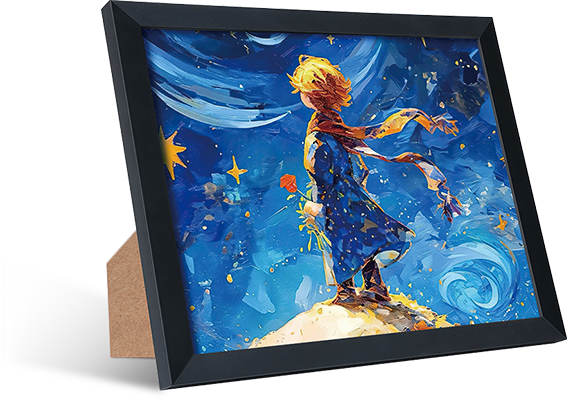
PVC Picture Frame
Sold by brand JinHuan
-
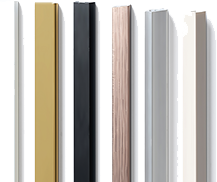
PVC Moulding
Sold by brand JinHuan
-
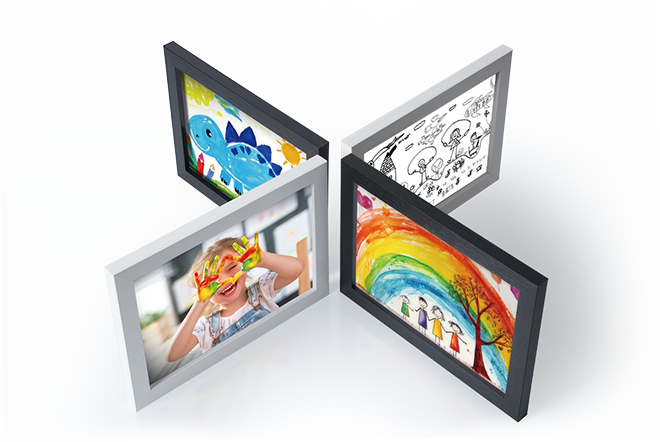
MDF Picture Frame
Sold by brand JinHuan
-
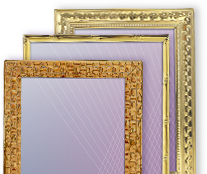
Iron Photo Frame
Sold by brand JinHuan
-
Plastic Injection Frame
Sold by brand JinHuan

-
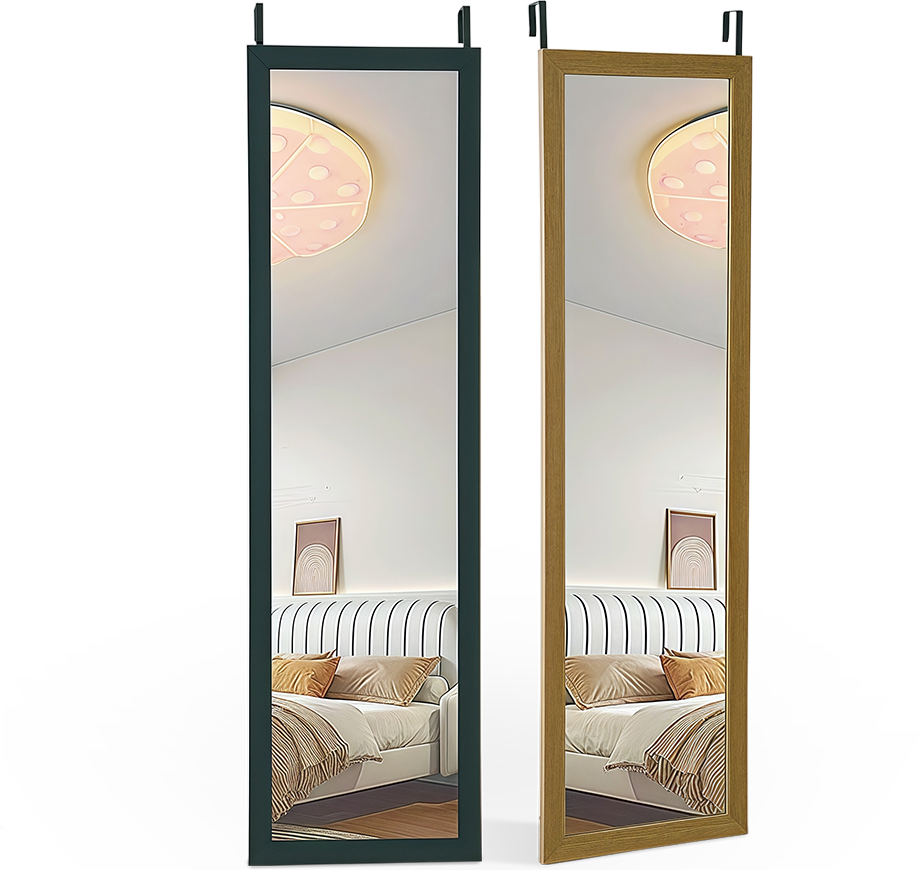
Mirror
Sold by brand JinHuan
-
Glass Picture Frame
Sold by brand JinHuan

-
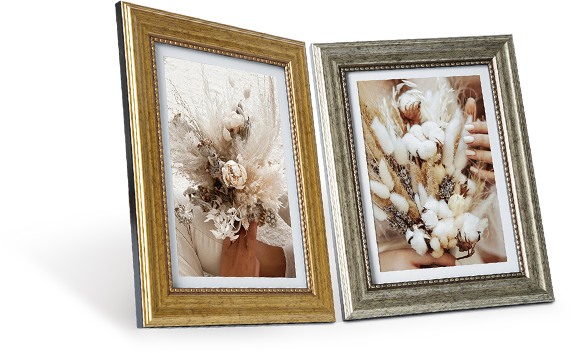
PS Picture Frame
Sold by brand JinHuan
-
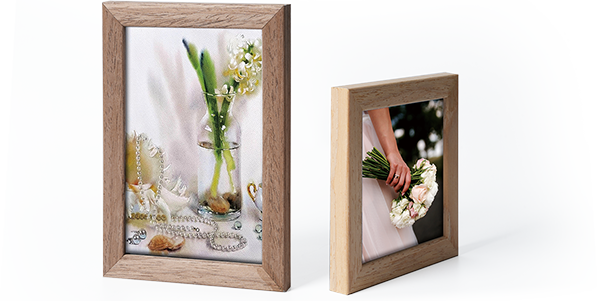
Solid Wood Picture Frame
Sold by brand JinHuan
-
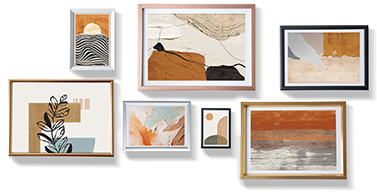
Aluminum Alloy Picture Frame.
Sold by brand JinHuan
What Are Wall Picture Frames?

Jinhuan's professional manufacturing solutions empower your premium product production.
Wooden Frames: Traditional and Versatile
Wooden frames are among the most common and widely recognized types of wall picture frames.
Materials and Finish: These frames are typically made from natural woods such as oak, pine, walnut, or beech. They can be finished with paint, stain, or varnish to match interior decor.
Design Flexibility: Wooden frames can be crafted into simple, minimalist styles or elaborately carved patterns, making them suitable for a variety of settings.
Durability and Protection: The solid structure provides stability and protects the artwork from bending or damage. When paired with glass or acrylic, wooden frames also offer dust and moisture protection.
Function: Wooden frames are often used for traditional paintings, family portraits, or formal display purposes. Their versatility and availability in various finishes make them a practical choice for many types of wall decor.
Metal Frames: Modern and Sleek
Metal frames are known for their contemporary appearance and structural strength.
Materials and Finish: They are commonly made from aluminum, stainless steel, or other lightweight metals. Finishes can include brushed, polished, or painted surfaces.
Aesthetic Appeal: Metal frames often feature thin profiles and sharp lines, which create a modern and minimalist look. They complement industrial or contemporary interior designs.
Functionality: The rigidity of metal frames provides strong support, making them suitable for larger artworks or photographs that require precise alignment. Metal frames are also resistant to warping or cracking over time.
Common Uses: They are frequently used in offices, galleries, or modern living spaces where clean lines and a professional presentation are preferred.
Plastic or Resin Frames: Lightweight and Affordable
Plastic or resin frames are lightweight alternatives to wood or metal, offering practical solutions for everyday use.
- Materials and Appearance: These frames are made from molded plastic or resin and can imitate the look of wood, metal, or other materials. They can be painted in various colors or textured to achieve a specific appearance.
- Advantages: Plastic frames are generally more affordable, lightweight, and easy to handle. They are also resistant to moisture, making them suitable for areas with higher humidity, such as kitchens or bathrooms.
- Function: While they may not offer the same structural strength as wood or metal, plastic frames are suitable for small to medium-sized photographs, art prints, or decorative posters.
- Design Flexibility: Many plastic frames come in ready-made sizes and colors, allowing for easy customization or matching with existing decor.
Floating or Shadow Frames: Contemporary Display Style
Floating or shadow frames offer a modern presentation that emphasizes the artwork itself rather than the frame.
Design Concept: In a floating frame, the artwork appears suspended within the frame without touching the edges. A gap between the artwork and the frame creates a "floating" effect.
Materials and Finish: These frames can be made from wood, metal, or acrylic, often with glass or transparent panels to enhance the suspended appearance.
Aesthetic Function: Floating frames draw attention to the artwork, creating a three-dimensional effect that can enhance the visual impact of paintings, photographs, or prints.
Application: They are popular in contemporary galleries, offices, and homes where a minimalist or artistic display is desired.
Wall picture frames are essential tools for displaying, protecting, and enhancing artwork. They vary widely in materials, design, and function, with each type suited to different contexts. Wooden frames offer traditional versatility and durability, while metal frames provide a sleek and modern appearance. Plastic or resin frames are lightweight, affordable, and practical for everyday use, and floating or shadow frames create a contemporary aesthetic that emphasizes the artwork. Understanding the characteristics and applications of these frame types helps in choosing the right option for both functional protection and visual presentation, ensuring that wall displays complement the surrounding space effectively.
Your email address will not be published. Required fields are marked *
China Picture Frames Online Factory
Copyright © JinHuan Art & Craft Products Co., Ltd. All Rights Reserved.
