

 English
 Español
 日本語
日本語 عربى
عربى русский
-
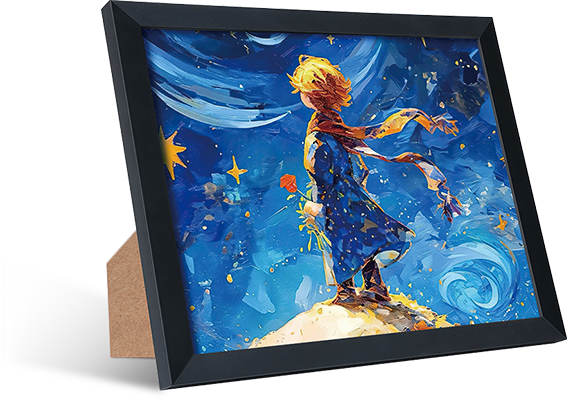
PVC Picture Frame
Sold by brand JinHuan
-
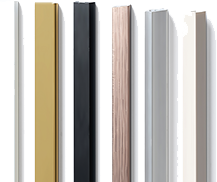
PVC Moulding
Sold by brand JinHuan
-
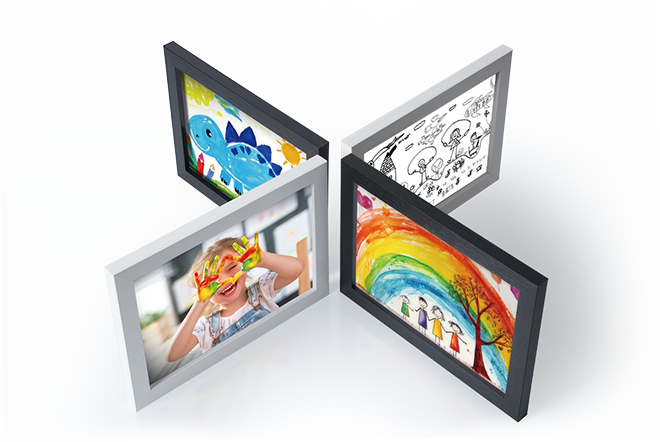
MDF Picture Frame
Sold by brand JinHuan
-
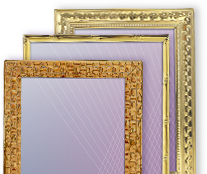
Iron Photo Frame
Sold by brand JinHuan
-
Plastic Injection Frame
Sold by brand JinHuan

-
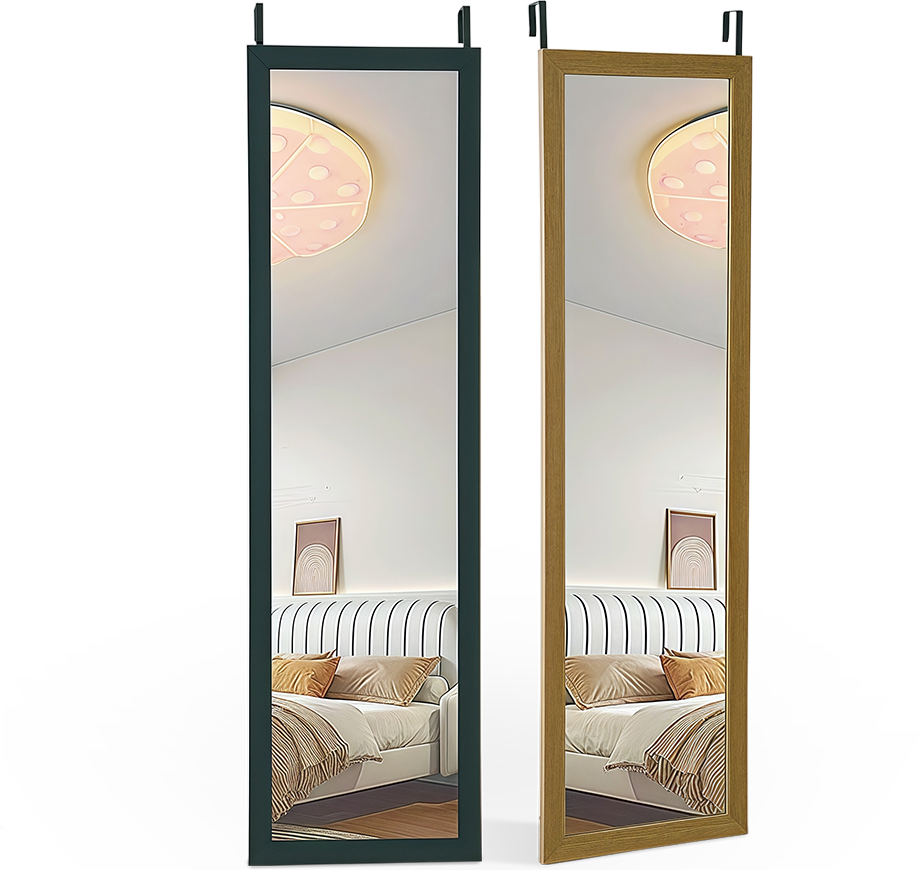
Mirror
Sold by brand JinHuan
-
Glass Picture Frame
Sold by brand JinHuan
-
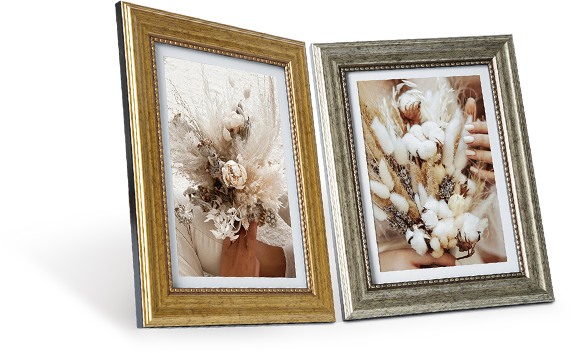
PS Picture Frame
Sold by brand JinHuan
-
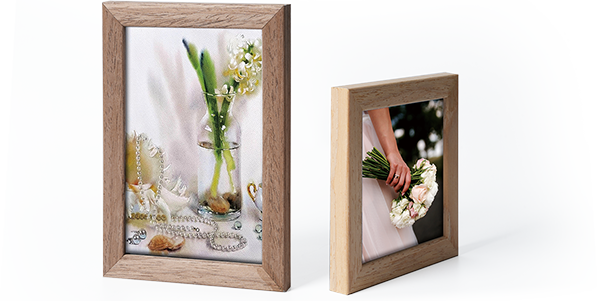
Solid Wood Picture Frame
Sold by brand JinHuan
-
Aluminum Alloy Picture Frame.
Sold by brand JinHuan
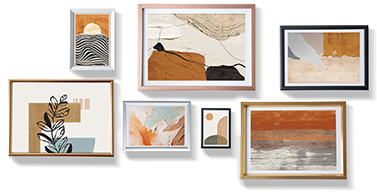
When Did Wall Picture Frames Appear?

Jinhuan's professional manufacturing solutions empower your premium product production.
Early Appearance and Historical Background
Wall picture frames appeared in ancient civilizations as a way to enhance and preserve artworks. In ancient Egypt, wooden and stone frames were used to display paintings and reliefs in tombs and temples. These frames often included carved details and painted surfaces to complement the artwork.

During the Renaissance in Europe, frames became more widely used in galleries and homes to display paintings. Artists and craftsmen began designing intricate wooden frames with gilded finishes to highlight the importance of the artwork. The use of frames in this period reflected both artistic expression and social status, as elaborately decorated frames indicated wealth and taste. Early frames were often handcrafted, making them unique to each piece of art.
Material Development
The materials used for wall picture frames have evolved over time, influencing both their appearance and durability. Early frames were primarily made of wood, which could be carved, gilded, or painted. Metal frames, particularly bronze and brass, were introduced later for their strength and ability to hold larger or heavier artworks.
In the 19th and 20th centuries, industrialization allowed for mass production of frames using materials such as molded wood composites, plastics, and aluminum. Modern frames may combine multiple materials, including glass, acrylic, or synthetic coatings, to provide protection and enhance visual appeal. The variety of materials available today allows users to choose frames that balance cost, weight, and style for different environments.
Style and Design Evolution
The design of wall picture frames has undergone significant changes, reflecting cultural trends, artistic movements, and technological developments. Early frames were often ornate, featuring intricate carvings, gilding, and decorative motifs that complemented the artwork they enclosed.
In the 20th century, minimalist and modernist movements influenced frame design, favoring simple lines and neutral colors to focus attention on the artwork itself. Contemporary frames may include floating designs, shadow boxes, or multifunctional displays that combine storage and presentation. The evolution of styles has allowed frames to adapt to different interior aesthetics, from traditional and classical to modern and industrial.
Functionality and Accessibility
Functionality has been another key aspect of the development of wall picture frames. Early frames primarily served to enhance visual presentation, while also providing structural support for paintings or photographs. As time progressed, frames began to include protective elements, such as glass or acrylic coverings, which prevent dust, moisture, and physical damage.
Accessibility has also improved with the availability of ready-made frames in various sizes and styles. Mass production and online marketplaces have made frames affordable and widely available, allowing more people to display and preserve their artwork or personal photographs. Some modern frames incorporate interchangeable mats, adjustable hanging mechanisms, or modular systems that increase flexibility and convenience for users.
Wall picture frames have a long history that reflects changes in art, technology, and interior design. They appeared in ancient civilizations as decorative and protective elements for artwork and evolved during the Renaissance to signify social status and artistic importance. Materials developed from carved wood and metals to modern composites, plastics, and glass, offering durability and aesthetic variety. Frame styles transitioned from ornate and intricate designs to minimalist and functional forms, adapting to cultural and artistic trends. Finally, advancements in functionality and accessibility have allowed frames to protect, display, and enhance artworks for a wide audience, making them an integral part of both home and gallery environments. By examining these four aspects, it is possible to understand the historical development and continuing relevance of wall picture frames.
Your email address will not be published. Required fields are marked *
China Picture Frames Online Factory
Copyright © JinHuan Art & Craft Products Co., Ltd. All Rights Reserved.
