

 English
 Español
 日本語
日本語 عربى
عربى русский
-
PVC Picture Frame
Sold by brand JinHuan

-
PVC Moulding
Sold by brand JinHuan
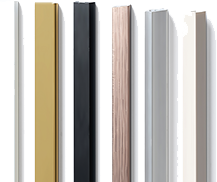
-
MDF Picture Frame
Sold by brand JinHuan
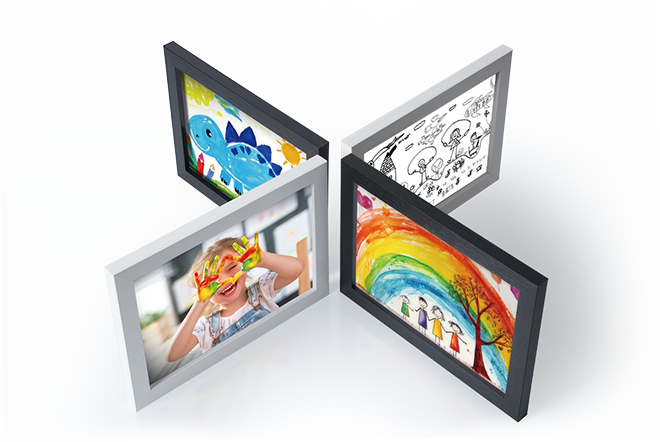
-
Iron Photo Frame
Sold by brand JinHuan
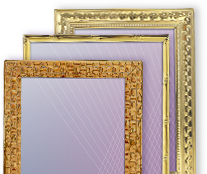
-
Plastic Injection Frame
Sold by brand JinHuan
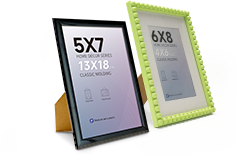
-
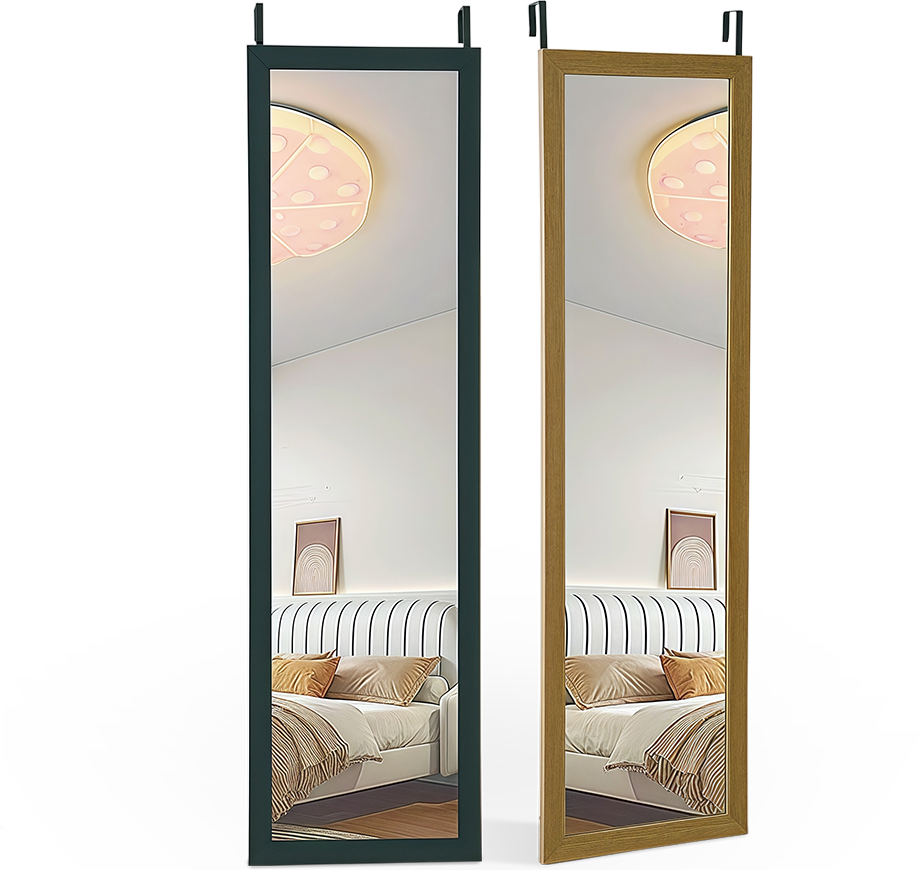
Mirror
Sold by brand JinHuan
-
Glass Picture Frame
Sold by brand JinHuan

-
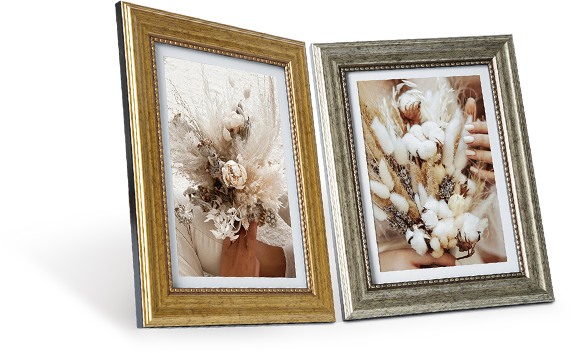
PS Picture Frame
Sold by brand JinHuan
-
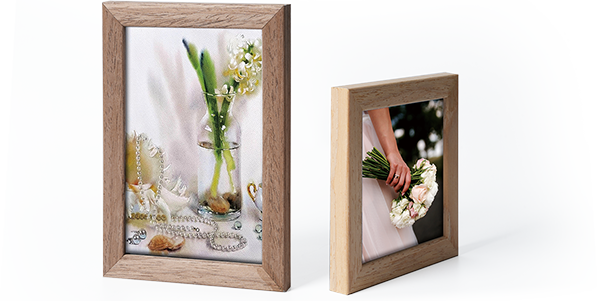
Solid Wood Picture Frame
Sold by brand JinHuan
-
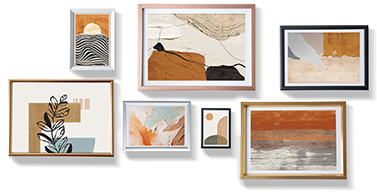
Aluminum Alloy Picture Frame.
Sold by brand JinHuan
What is Functionality of All Glass Picture Frames for Walls

Jinhuan's professional manufacturing solutions empower your premium product production.
The all-glass picture frame, a minimalist design consisting of a single glass sheet with securing hardware, presents a distinct combination of aesthetic and functional characteristics. While possessing certain limitations, its functionality for wall display offers a unique approach to showcasing imagery, prioritizing clarity, light, and a modern sensibility.
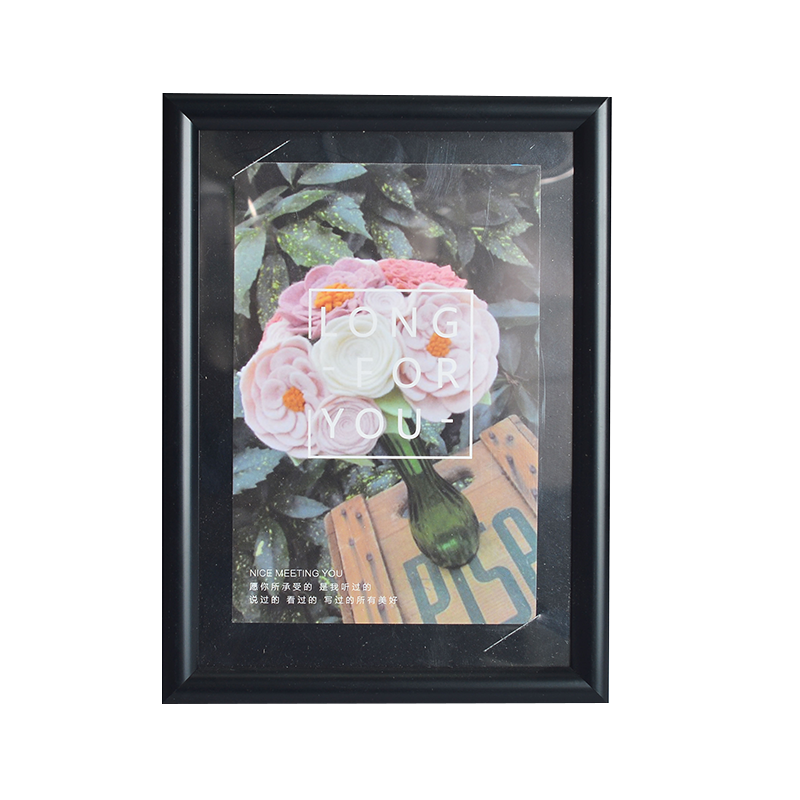
A primary functional advantage of all-glass frames lies in their ability to preserve visual integrity and maximize impact. Unlike traditional frames with matting and thick borders, these designs eliminate any physical barrier between the viewer and the artwork. The absence of a conspicuous frame edge creates a seamless transition between the image and the wall, allowing the piece to exist more independently within a space. This quality is particularly beneficial for modern and contemporary interiors, which often favor clean lines and uncluttered aesthetics. The design effectively makes the artwork itself the sole focal point, without competing elements drawing attention away. Furthermore, the use of clear, high-quality glass ensures that colors remain vibrant and true, as there is no colored lip or mat to cast a tint or alter the perception of the work’s palette. This makes them a suitable choice for vibrant prints, detailed photographs, and even pressed natural specimens where color fidelity is important.
Another significant aspect of their functionality is their interaction with light and the creation of spatial effects. The highly reflective surface of glass can be leveraged as a design feature. In well-lit rooms, these frames can capture and play with ambient light, adding a dynamic, luminous quality to the wall on which they are hung. This can help brighten a space and contribute to an airy, open atmosphere. Conversely, for smaller rooms or spaces with limited natural light, the reflective property can create an illusion of depth, making the area feel less confined. However, this relationship with light also dictates a functional consideration: placement. To minimize unwanted glare that could obscure the view of the artwork, careful positioning away from direct light sources is often necessary. This requires a degree of planning during installation to achieve the balance between luminosity and clarity.
The practical functionality of all-glass frames also encompasses installation, maintenance, and material considerations. Their installation process is typically straightforward, often involving hidden cleats or discreet clips that maintain the minimalist illusion. Their lightweight nature, compared to large traditional frames, makes them easier to handle and hang securely. From a maintenance perspective, the single glass surface simplifies cleaning, as there is no need to navigate intricate corners or fabric mats where dust can accumulate. A single wipe is often sufficient to maintain a pristine appearance. However, the material choice itself presents a functional trade-off. While glass provides clarity, it is inherently more fragile than acrylic alternatives. This makes it less suitable for high-traffic areas, homes with young children, or environments where accidental impact is a concern. Additionally, for larger pieces, the weight of glass can become a factor, requiring robust hanging hardware to ensure safety.
In terms of versatility, all-glass frames function well in a variety of settings beyond the standard living room or gallery wall. Their sleek and unobtrusive design makes them effective in professional environments like offices and lobbies, where they can display corporate art or informational graphics without appearing bulky or overly decorative. They are also an choice for creating cohesive gallery walls, as their uniformity of style allows a diverse collection of artworks to be displayed together without visual competition between different frame designs. The consistency they provide can unify a display, making the collection itself the statement rather than the individual frames.
Your email address will not be published. Required fields are marked *
China Picture Frames Online Factory
Copyright © JinHuan Art & Craft Products Co., Ltd. All Rights Reserved.
