

 English
 Español
 日本語
日本語 عربى
عربى русский
-
PVC Picture Frame
Sold by brand JinHuan
-
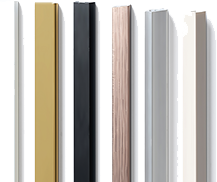
PVC Moulding
Sold by brand JinHuan
-
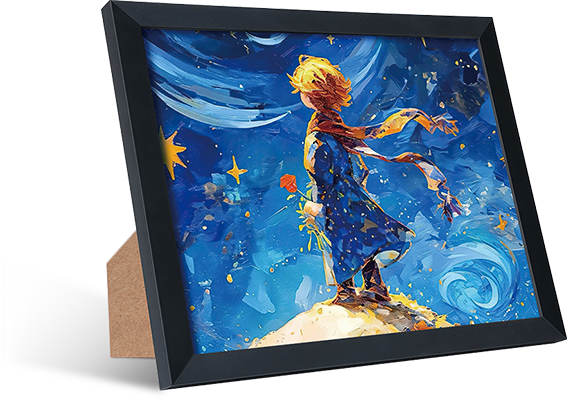
MDF Picture Frame
Sold by brand JinHuan
-
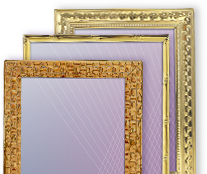
Iron Photo Frame
Sold by brand JinHuan
-
Plastic Injection Frame
Sold by brand JinHuan
-
Mirror
Sold by brand JinHuan
-
Glass Picture Frame
Sold by brand JinHuan
-
PS Picture Frame
Sold by brand JinHuan
-
Solid Wood Picture Frame
Sold by brand JinHuan
-
Aluminum Alloy Picture Frame.
Sold by brand JinHuan
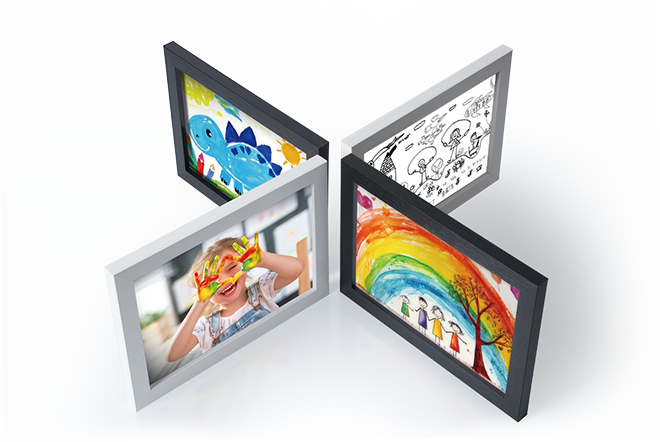
The Versatile MDF Picture Frame

Jinhuan's professional manufacturing solutions empower your premium product production.
Color Schemes and Finishes of MDF Frames
The aesthetic appeal of a Medium Density Fiberboard picture frame is primarily defined by its color scheme and surface finish. These elements work in concert to determine the frame's character and its suitability for a specific setting or photograph.
Color Palettes: The range of colors available for MDF frames is extensive, falling into several key categories.
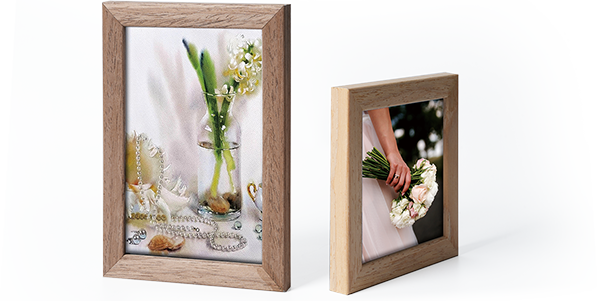
Natural Wood Tones: A very popular choice involves finishes that mimic real wood. Through advanced printing and staining techniques, MDF can be made to closely resemble oak, walnut, cherry, or pine. These tones impart a sense of warmth and traditional elegance, making them a versatile option for classic interiors and family portraits.
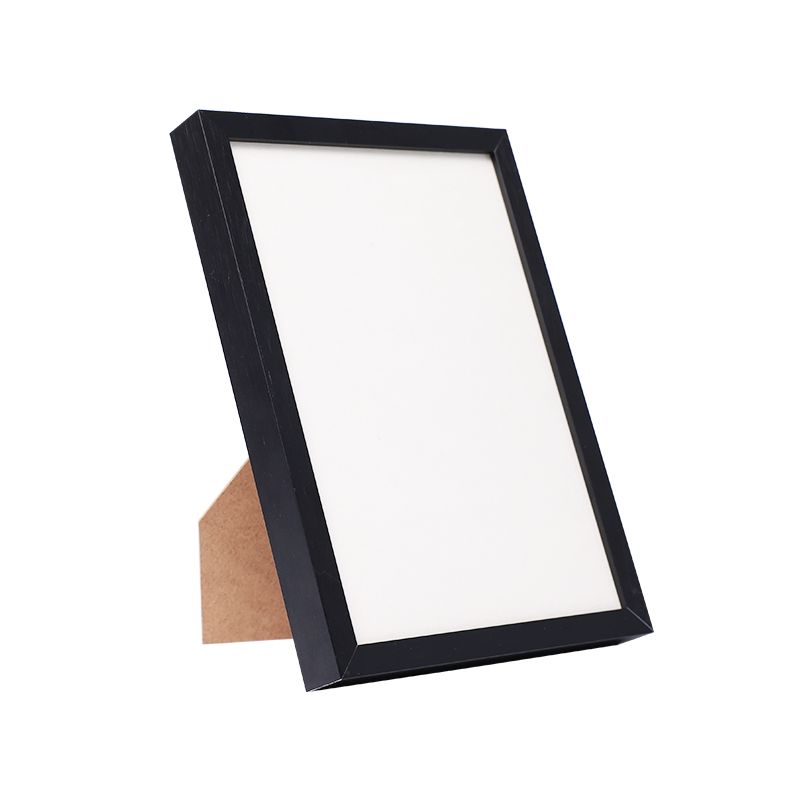
Neutral Shades: This group includes colors like pure white, jet black, various grays, and beiges. Neutral frames are valued for their versatility and timelessness. A white frame can create a clean, crisp border that suits modern and coastal decors, while a black frame offers strong definition and is a common choice for gallery displays, as it helps to draw the viewer’s eye directly to the artwork.
Bold and Vibrant Hues: For a more dramatic effect, MDF frames are available in a wide spectrum of colors, from deep navy and emerald green to bright red or yellow. Metallic finishes, such as gold, silver, and bronze, also fall into this category. These are often used to create a specific accent, match a room’s color scheme, or complement the dominant colors within the photograph itself.
Surface Finishes: The finish applied over the color significantly alters the frame’s texture and interaction with light.
Gloss and High-Gloss: These finishes create a shiny, reflective surface that lends a contemporary and upscale feel. They enhance the depth of the frame’s color and can introduce a touch of glamour to the display.
Matte and Satin: Matte finishes provide a non-reflective, flat surface that minimizes glare. This makes them an choice for protecting the viewer's focus on the image, particularly in well-lit rooms. Satin offers a subtle, soft sheen that sits between matte and gloss, providing a gentle luster without being overly shiny.
Textured and Distressed: To achieve a rustic, vintage, or industrial look, textured finishes are often applied. Techniques include distressing, where the paint is lightly sanded away at edges and corners to simulate wear, or crackling, where the top coat of varnish is designed to form fine cracks. Some finishes may even emulate the texture of canvas or coarse wood grain, adding a tactile dimension to the frame.
Design Styles of MDF Photo Frames
Beyond color and finish, the physical design and architectural style of an MDF frame play a crucial role in its overall impact. The malleability of MDF allows it to be molded into a vast array of profiles, from historically inspired designs to sleek modern forms.
Traditional and Ornate Styles: These designs often draw inspiration from classical European art and architecture.
Characteristics: They typically feature elaborate routing patterns with intricate details such as scalloped edges, floral motifs, scrollwork, and deep, sculptural contours. The profiles are usually substantial and wide, designed to make a grand statement.
Application: Ornate MDF frames are well-suited for formal portraits, traditional oil painting reproductions, and interiors decorated in classic, Baroque, or Victorian styles. They act as significant decorative objects in their own right, framing the artwork with a sense of history and opulence.
Modern and Contemporary Styles: This category emphasizes simplicity, clean lines, and minimalist aesthetics.
Characteristics: Modern frames tend to have slim, narrow profiles. Common forms include simple flat panels, sleek rounded edges, or sharp, right-angled bevels. The design is stripped back to its essential elements, avoiding any decorative carving or ornamentation.
Application: Their understated elegance makes them ideal for modern and minimalist interiors, contemporary art, black-and-white photography, and gallery walls where the focus should remain entirely on the artwork without competition from an elaborate frame.
Rustic and Industrial Styles: These designs seek to evoke a sense of raw, organic, or reclaimed material.
Characteristics: Rustic frames often imitate the look of reclaimed wood with distressed and weathered finishes, sometimes with visible faux wood grain texture. Industrial styles may feature simpler, boxy profiles with a matte finish, often in colors that mimic bare metal, such as iron gray or brushed nickel.
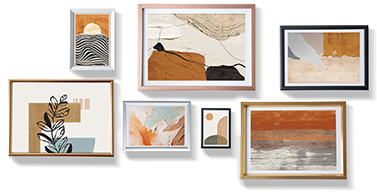
Application: These frames are a natural fit for farmhouse, cottage, or industrial loft decors. They complement landscape photography, travel images, and modern abstract art equally well, adding a touch of organic, unstructured character to the display.
Your email address will not be published. Required fields are marked *
China Picture Frames Online Factory
Copyright © JinHuan Art & Craft Products Co., Ltd. All Rights Reserved.
