

 English
 Español
 日本語
日本語 عربى
عربى русский
-
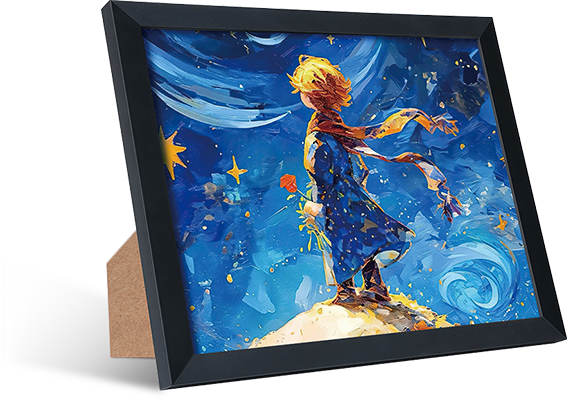
PVC Picture Frame
Sold by brand JinHuan
-
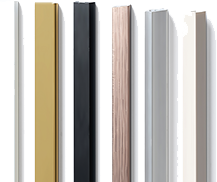
PVC Moulding
Sold by brand JinHuan
-
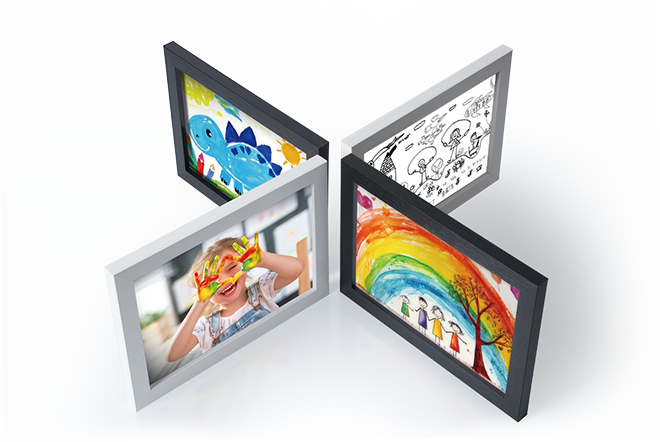
MDF Picture Frame
Sold by brand JinHuan
-
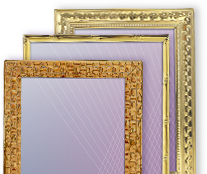
Iron Photo Frame
Sold by brand JinHuan
-
Plastic Injection Frame
Sold by brand JinHuan

-
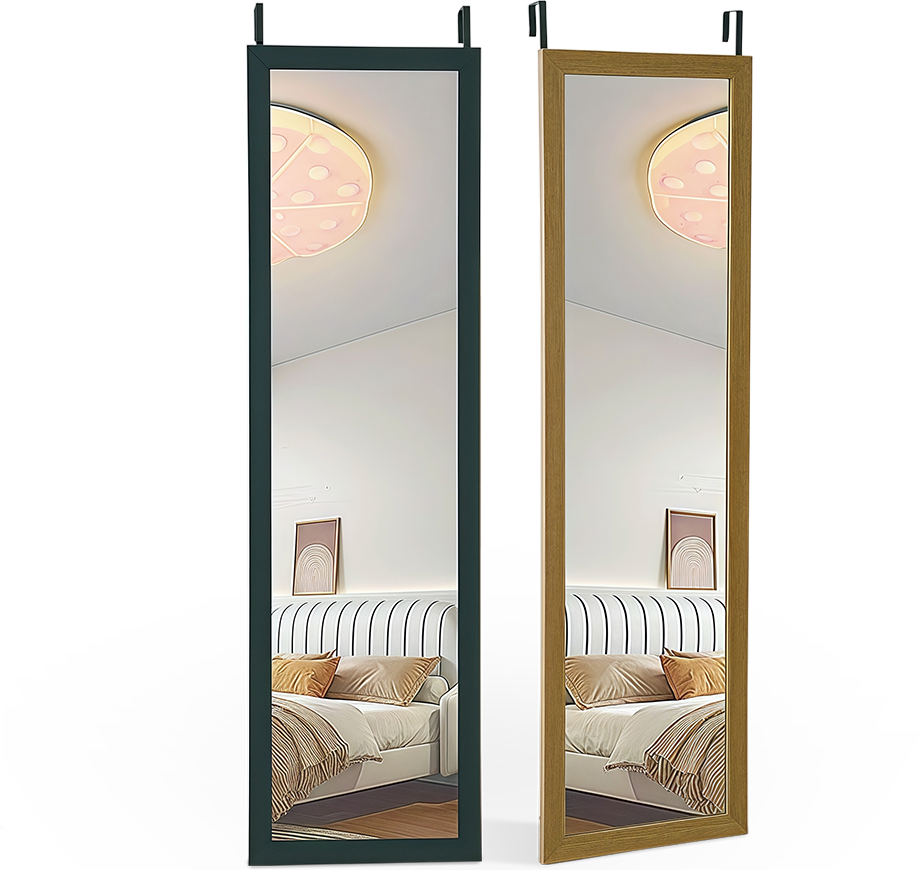
Mirror
Sold by brand JinHuan
-
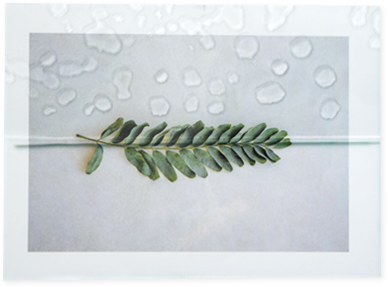
Glass Picture Frame
Sold by brand JinHuan
-
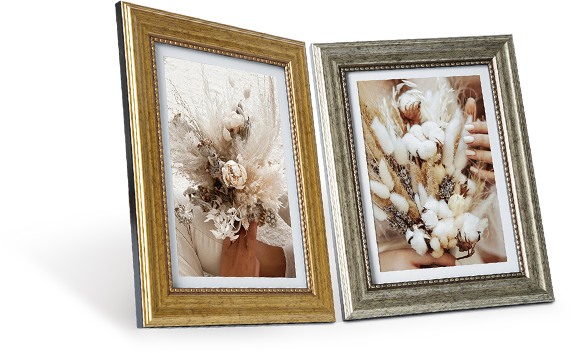
PS Picture Frame
Sold by brand JinHuan
-
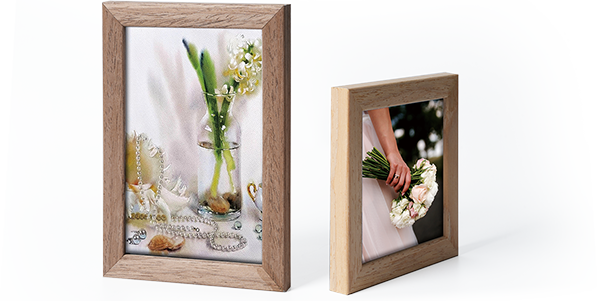
Solid Wood Picture Frame
Sold by brand JinHuan
-
Aluminum Alloy Picture Frame.
Sold by brand JinHuan
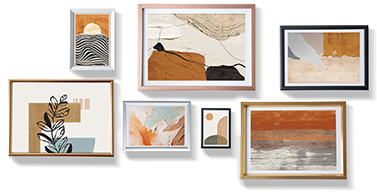
What Is The Purpose and Use of MDF Board Photo Frame

Jinhuan's professional manufacturing solutions empower your premium product production.
MDF is a widely used material in furniture and decor because of its strength, smooth finish, and affordability. When applied to photo frames, it serves several purposes that make it practical and attractive. Below are the main points that outline its purpose and use:
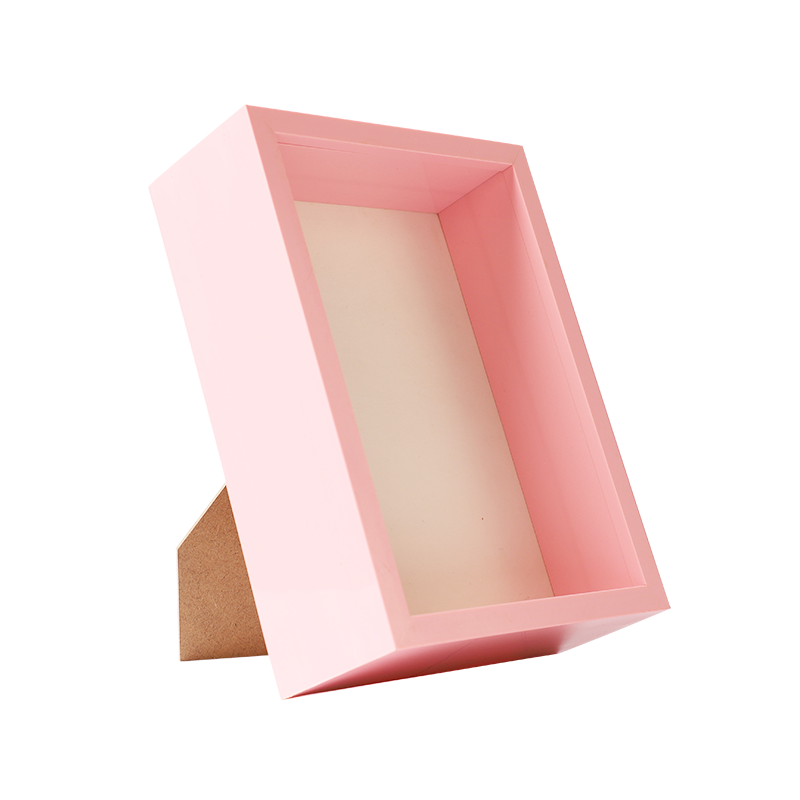
Protection of Photographs and Artworks
The main purpose of a photo frame is to safeguard the picture inside. MDF provides a strong structure that can securely hold glass or acrylic covers, matting, and backing boards. This protects photos from bending, dust, and accidental damage. Its density prevents warping, which is a risk in some natural wood frames.
Durability and Stability
MDF is engineered by compressing wood fibers with resin, creating a material that is uniform and stable. Unlike natural wood, which may have knots or cracks, MDF remains consistent in quality. This stability ensures that the frame lasts for years without significant wear.
Decorative Role in Interiors
MDF frames are not only protective but also decorative. Their smooth surface makes them suitable for painting, laminating, or applying veneers. This allows them to imitate natural wood grain or take on modern, sleek finishes. Consumers can select from a wide variety of designs to match traditional, minimalist, or contemporary decor styles.
Cost-Effectiveness
MDF photo frames are more affordable than solid wood alternatives while still offering a stylish look. This cost advantage makes them accessible to a wide range of consumers. They are often used when individuals want elegance without overspending.
Adaptability to Different Uses
These frames can be used for multiple purposes beyond personal photos, such as certificates, artwork, posters, or professional displays. Their versatility makes them suitable for both home and office environments.
Suitability for Mass Production
Since MDF is easy to cut and shape, it allows efficient large-scale production. This enables manufacturers to create frames in a variety of sizes, designs, and finishes at consistent quality levels. Retailers benefit from offering many choices, and consumers enjoy affordable yet attractive options.
In summary, MDF board photo frames serve the dual role of protecting precious memories while enhancing interior design. Their durability, versatility, and affordability make them a practical solution for both personal and professional settings.
Design of MDF Collage Frame
Collage frames are designed to display multiple photographs together in one structure. MDF serves as an base material for these frames because of its stability and design flexibility. The design of MDF collage frames can be broken down into several aspects:
Multiple Openings for Photographs
The main design feature of collage frames is the inclusion of several photo slots. These may be arranged in symmetrical rows, geometric grids, or more artistic overlapping patterns. This variety allows users to choose between organized layouts or creative, free-flowing styles.
Sturdy Structure for Multiple Sections
MDF provides a solid foundation to support multiple images at once. Its density ensures the collage does not bend or warp under the weight of the glass or acrylic panels. This stability is essential for maintaining the frame’s shape and keeping all photos aligned.
Smooth Surface for Finishes
The smooth, even surface of MDF allows for different finishes such as painted colors, wood-grain laminates, or matte coatings. For instance, a glossy white collage frame can complement modern decor, while a natural wood finish can suit rustic or cozy interiors.
Decorative Flexibility
MDF collage frames often come in creative shapes such as hearts, circles, or thematic patterns. This adds to their decorative appeal, making them not just functional frames but also wall decor pieces.
Your email address will not be published. Required fields are marked *
China Picture Frames Online Factory
Copyright © JinHuan Art & Craft Products Co., Ltd. All Rights Reserved.
