

 English
 Español
 日本語
日本語 عربى
عربى русский
-
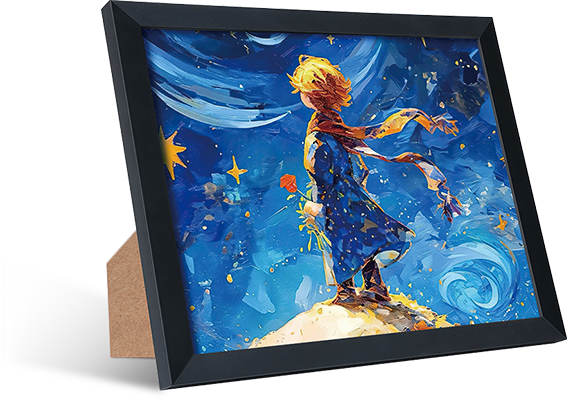
PVC Picture Frame
Sold by brand JinHuan
-
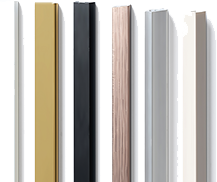
PVC Moulding
Sold by brand JinHuan
-
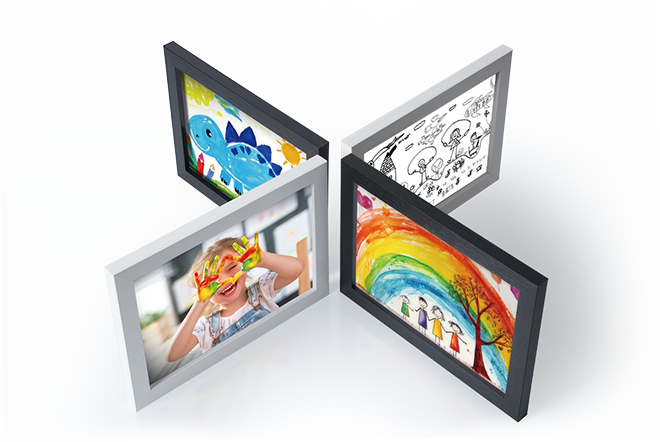
MDF Picture Frame
Sold by brand JinHuan
-
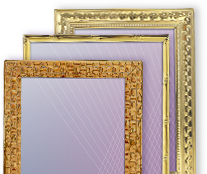
Iron Photo Frame
Sold by brand JinHuan
-
Plastic Injection Frame
Sold by brand JinHuan
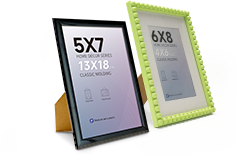
-
Mirror
Sold by brand JinHuan
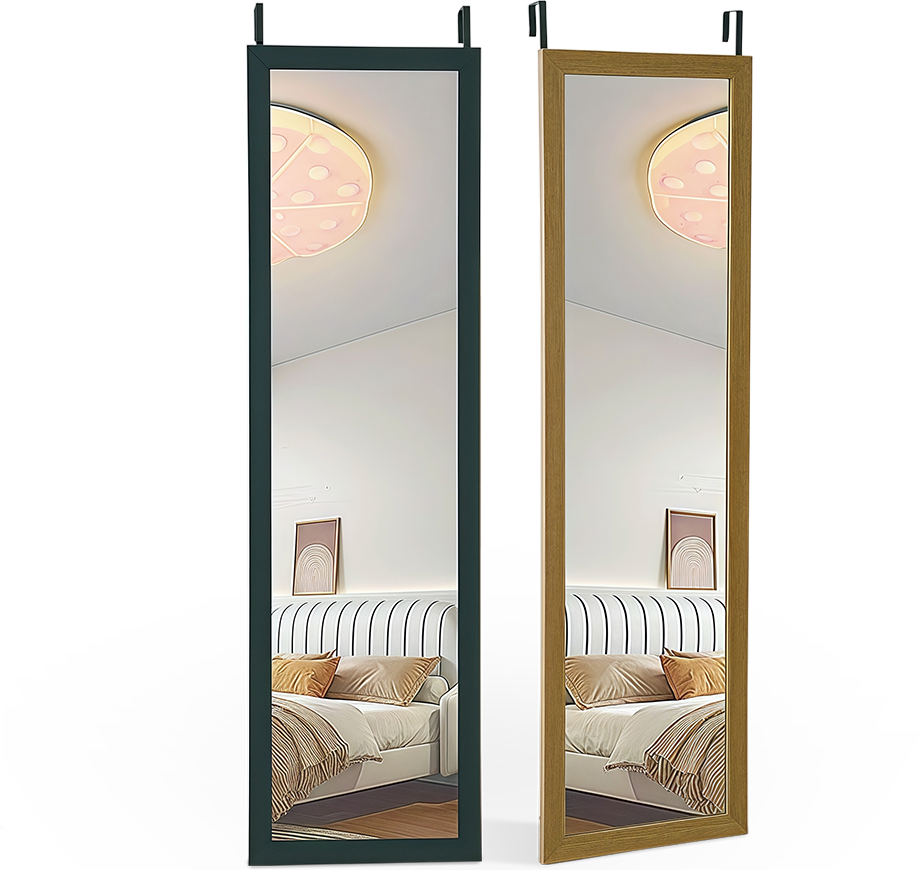
-
Glass Picture Frame
Sold by brand JinHuan

-
PS Picture Frame
Sold by brand JinHuan
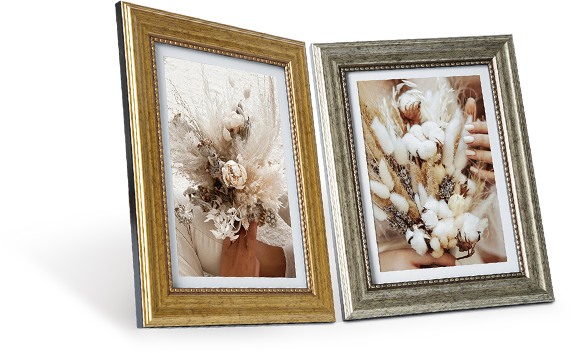
-
Solid Wood Picture Frame
Sold by brand JinHuan
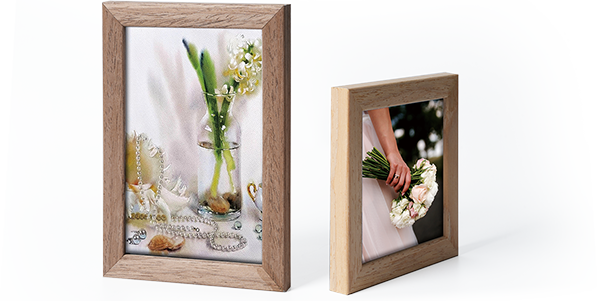
-
Aluminum Alloy Picture Frame.
Sold by brand JinHuan
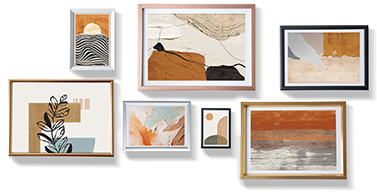
What is Versatile Display for Modern Solid Glass Frames

Jinhuan's professional manufacturing solutions empower your premium product production.
The evolution of the picture frame has culminated in designs that prioritize the artwork within, and the modern solid glass frame represents a peak of this minimalist philosophy. Eschewing traditional borders and backings, these frames use tempered glass—often with polished edges—as their primary structural and aesthetic element. This design approach inherently shifts the focus to the display method, which becomes a critical component of the overall presentation. The functionality and artistic impact of a solid glass frame are largely determined by whether it is configured for wall-mounting, tabletop display, or as a freestanding unit, with each option offering distinct advantages for different spaces and purposes.
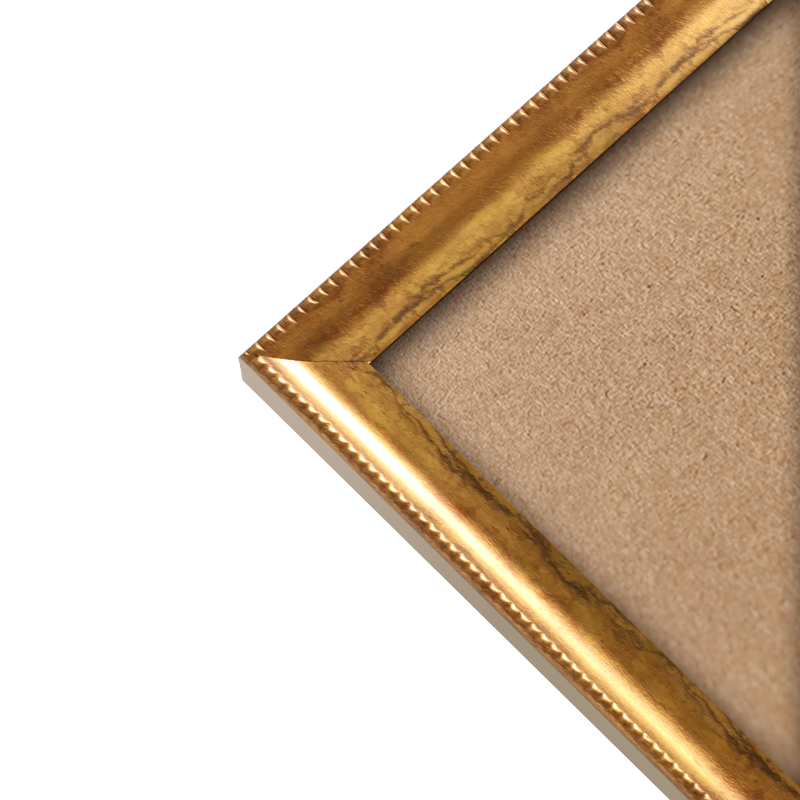
Wall-mounted solid glass frames are perhaps the common and visually striking application. This method leverages the inherent property of glass to seemingly float an image against a wall, creating a clean, integrated look that is highly valued in contemporary interior design. The hardware for wall-mounting is designed to be as discreet as possible. Common systems include clear silicone standoffs—small, durable discs that attach to the wall and to the glass via a small screw, holding it securely a few inches away from the surface. This gap creates a subtle shadow that enhances the three-dimensional, floating effect. Other systems utilize nearly invisible metal clips or channels that grip the top and bottom edges of the glass. The primary advantage of wall-mounting is its space-saving nature and its ability to formally designate the artwork as a focal point within a room. It is an ideal solution for creating gallery walls in homes or offices, as the uniformity of the glass panels can create a cohesive look even when displaying a diverse collection of photographs or prints. However, this method requires permanent installation and careful consideration of placement to avoid direct sunlight, which could cause glare or fading, and to ensure it is situated in a low-traffic area to prevent accidental bumps.
For those seeking flexibility and a more intimate, interactive display, the tabletop configuration offers a compelling alternative. In this format, the solid glass panel is paired with a supportive base, typically crafted from materials like metal, wood, or even a smaller block of glass. The base is attached via discreet hardware, allowing the glass to stand upright on any flat surface, such as a desk, shelf, mantel, or side table. This display option transforms the frame from a static wall element into a dynamic object that can be easily moved, rearranged, or even passed around for closer inspection. It is exceptionally well-suited for desks, where a personal photograph can be enjoyed at eye level, or for centerpieces during special events, where they can display meaningful images without obstructing sightlines. The tabletop style encourages a more personal engagement with the photograph, as the viewer can approach it from different angles and appreciate the clarity of the glass from a close distance. The key consideration for this option is stability; a well-designed, weighted base is essential to prevent the top-heavy glass from tipping over, making it less suitable for environments with young children or pets.
Bridging the gap between the permanence of wall-mounting and the mobility of tabletop displays is the freestanding solid glass frame. This is a larger, more substantial iteration of the tabletop concept, designed to rest directly on the floor. These statement pieces often feature a sturdier, broader base or a supporting spine that runs along the back of the glass to provide the necessary stability for a larger panel. Freestanding frames function as sculptural elements within a space, capable of defining a room’s layout by acting as a transparent room divider or a striking accent in a sparse corner. Their non-permanent nature is their greatest asset; they can be repositioned to refresh a room’s decor without any need for tools or wall damage. This makes them particularly popular in rental properties or for individuals who frequently redesign their living spaces. They are highly effective in commercial settings like hotel lobbies or gallery exhibitions, where they can be used to create fluid, adaptable displays. The considerations for freestanding frames involve scale and placement—they require a generous amount of floor space and must be positioned thoughtfully to avoid creating a cluttered feel or becoming an obstacle in a walkway.
Your email address will not be published. Required fields are marked *
China Picture Frames Online Factory
Copyright © JinHuan Art & Craft Products Co., Ltd. All Rights Reserved.
