

 English
 Español
 日本語
日本語 عربى
عربى русский
-
PVC Picture Frame
Sold by brand JinHuan

-
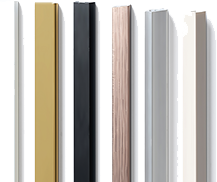
PVC Moulding
Sold by brand JinHuan
-
MDF Picture Frame
Sold by brand JinHuan

-
Iron Photo Frame
Sold by brand JinHuan

-
Plastic Injection Frame
Sold by brand JinHuan

-
Mirror
Sold by brand JinHuan

-
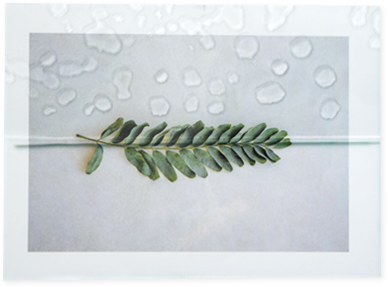
Glass Picture Frame
Sold by brand JinHuan
-
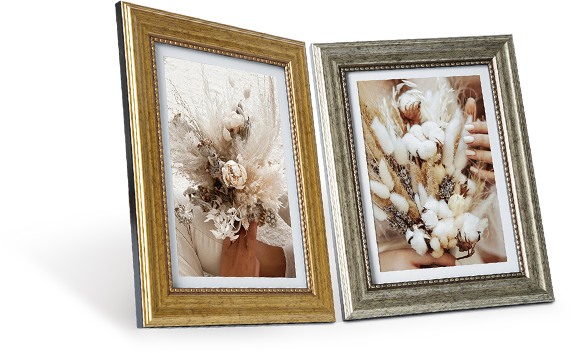
PS Picture Frame
Sold by brand JinHuan
-
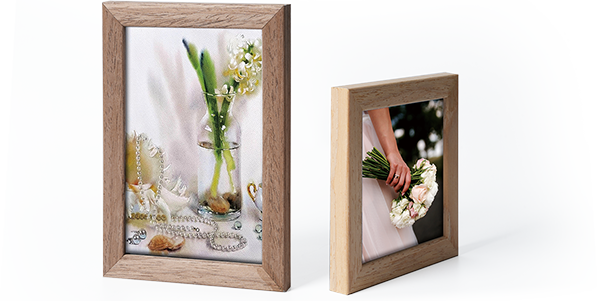
Solid Wood Picture Frame
Sold by brand JinHuan
-
Aluminum Alloy Picture Frame.
Sold by brand JinHuan

Custom Size Options for Real Wood Picture Frames

Jinhuan's professional manufacturing solutions empower your premium product production.
Real wood picture frames are valued for their durability, natural beauty, and timeless appeal. When choosing a frame, one important aspect is size. Frames are available in both standard dimensions and custom sizes, giving consumers flexibility depending on their needs.
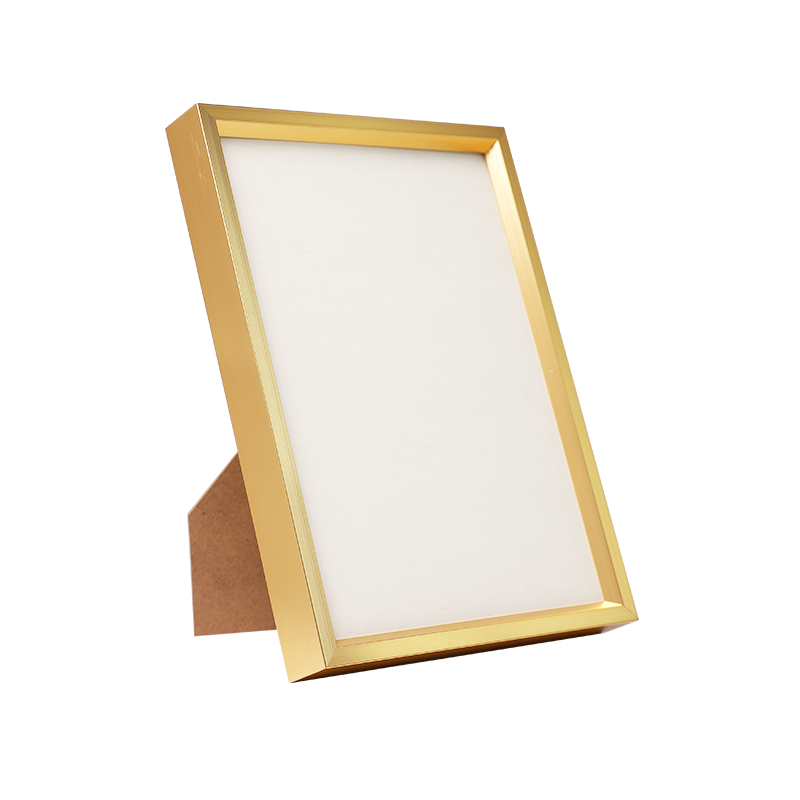
Standard Sizes
Standard frames are manufactured to fit commonly used photo and art dimensions. These include 4x6, 5x7, 8x10, 11x14, and 16x20 inches. Standard poster and art sizes, such as 18x24 and 24x36 inches, are also widely available. The advantage of these frames is convenience. They are often stocked by retailers, making them easy to purchase without the need for special orders. Standard sizes also ensure compatibility with ready-made matting and backing boards.
Custom Sizes
Not all artwork or photographs fit neatly into standard dimensions. Custom sizing offers flexibility for unique prints, oversized pieces, or irregularly shaped items. With custom frames, the dimensions can be tailored precisely to the artwork, ensuring a fit. This option also allows for creative designs, such as panoramic frames or extra-wide mats. Custom frames often appeal to artists, collectors, and individuals who want a tailored presentation for valuable or personal pieces.
Considerations When Choosing Sizes
Selecting between standard and custom sizes depends on budget, convenience, and the importance of the artwork. Standard sizes are cost-effective and widely available, while custom sizes provide a personalized approach. For professional settings such as galleries, custom frames often elevate the presentation. In homes, standard sizes are practical for everyday photos.
Solid oak picture frames are known for their strength and elegant grain patterns. However, because they are both heavier and more delicate than synthetic alternatives, careful attention is needed when preparing them for shipping. Proper packaging ensures they arrive in condition and remain ready for display.
Weight Management
Oak is a dense hardwood, which makes frames heavier than those made from MDF or plastic. When shipping, packaging materials must support this weight. Strong corrugated boxes or double-walled cartons are commonly used. Reinforced corners and thick padding help distribute pressure evenly and prevent damage during transit.
Surface Protection
The finish of oak frames, whether stained, painted, or left natural, requires protection from scratches and abrasions. Wrapping each frame in a soft protective layer, such as foam sheets or bubble wrap, prevents surface damage. Glass panels, if included, are often secured with additional padding to avoid cracking.
Corner Guards
Corners are particularly vulnerable during shipping. Attaching foam or cardboard corner protectors helps absorb impact and prevents chips or dents in the wood. This simple precaution greatly reduces the risk of visible damage.
Moisture Control
Solid oak is more resistant to moisture than softer woods but can still warp or discolor if exposed to damp environments. Including desiccant packs within the packaging helps control humidity. Sealing the box properly also protects against accidental water exposure during handling.
Labeling and Handling Instructions
Clear labeling such as “Fragile,” “Handle with Care,” or “This Side Up” helps shipping providers treat the package appropriately. Providing orientation instructions ensures the frame is not stored or transported in a way that puts stress on the glass or joints.
Bulk and Individual Shipping
When shipping multiple oak frames, separating each one with dividers prevents contact and potential scratching. For single large frames, custom-sized crates or reinforced packaging may be required. Professional packing services are often used for oversized or high-value pieces.
Your email address will not be published. Required fields are marked *
China Picture Frames Online Factory
Copyright © JinHuan Art & Craft Products Co., Ltd. All Rights Reserved.
