

 English
 Español
 日本語
日本語 عربى
عربى русский
-
PVC Picture Frame
Sold by brand JinHuan

-
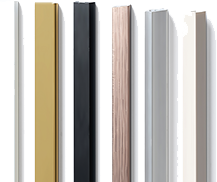
PVC Moulding
Sold by brand JinHuan
-
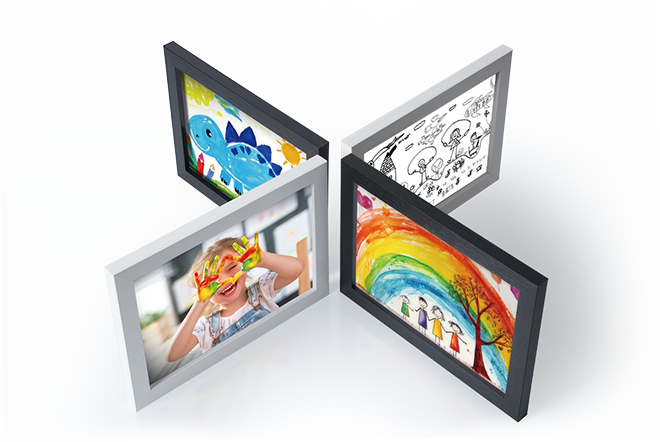
MDF Picture Frame
Sold by brand JinHuan
-
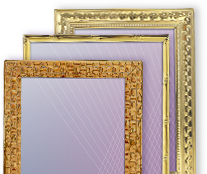
Iron Photo Frame
Sold by brand JinHuan
-
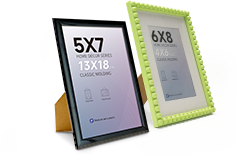
Plastic Injection Frame
Sold by brand JinHuan
-
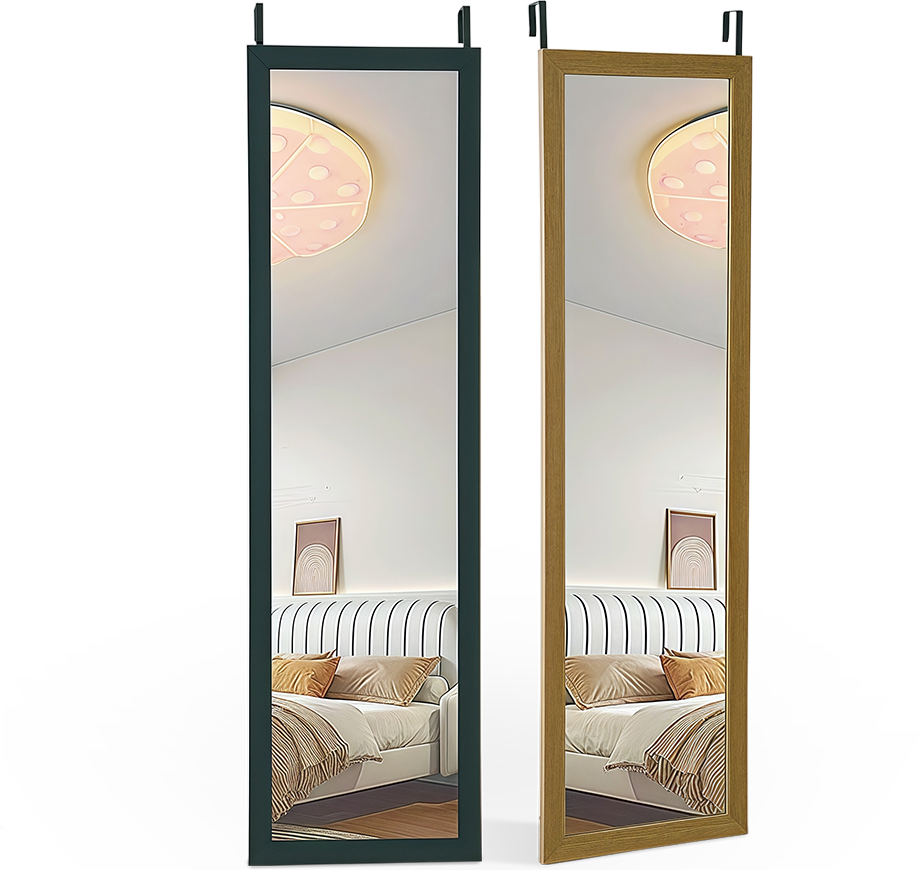
Mirror
Sold by brand JinHuan
-
Glass Picture Frame
Sold by brand JinHuan

-
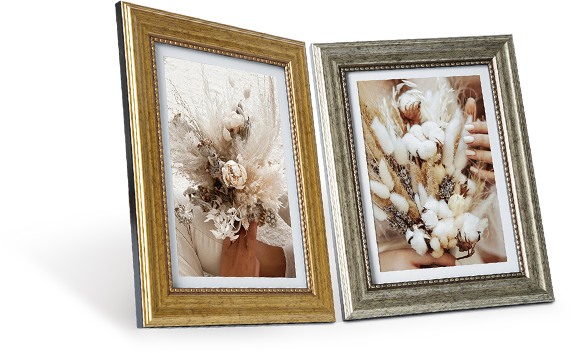
PS Picture Frame
Sold by brand JinHuan
-
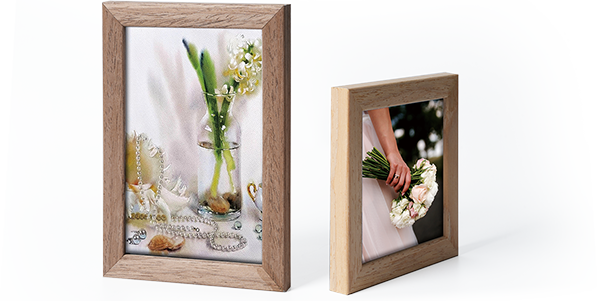
Solid Wood Picture Frame
Sold by brand JinHuan
-
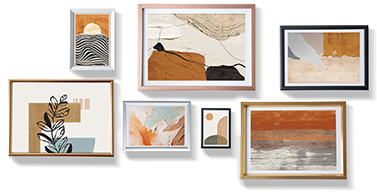
Aluminum Alloy Picture Frame.
Sold by brand JinHuan
Why Choose a 16x20 Aluminum Frame?

Jinhuan's professional manufacturing solutions empower your premium product production.
The 16x20 aluminum picture frame has become a common choice for medium to large prints, posters, or photographs. Its size is versatile enough for displaying important pieces, while the aluminum construction provides durability and a modern aesthetic. However, one key decision buyers face is whether to select a wall-mounted or freestanding frame.
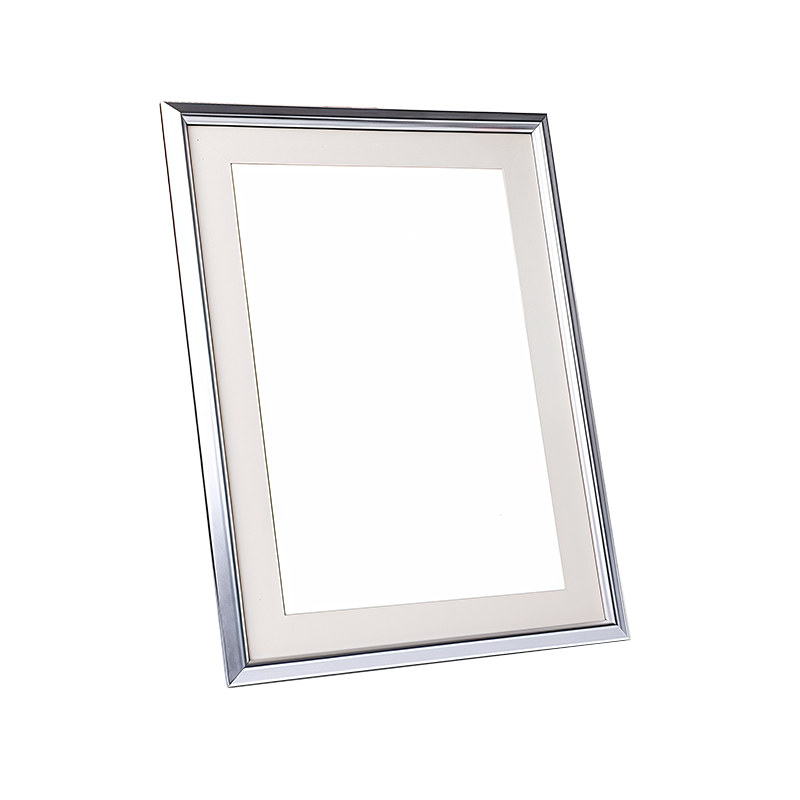
Before comparing mounting styles, it is important to understand why aluminum frames in this size are popular:
Durability: Aluminum is strong yet lightweight, making it resistant to warping or cracking over time.
Modern Look: Its sleek lines and metallic finish complement contemporary decor, though it can also blend with traditional styles depending on the color and design.
Versatility: The 16x20 size is large enough to hold posters, prints, or portraits, while still manageable for home or office use.
Low Maintenance: Aluminum frames are generally easy to clean and do not require refinishing like wood frames.
Given these benefits, the choice between wall-mounted and freestanding depends on how and where the frame will be displayed.
Wall-mounted frames are designed to be hung on vertical surfaces. They are suitable for showcasing larger or more formal pieces in areas where visibility is important.
Key Characteristics:
Space-Saving: By being placed on walls, they do not occupy floor or tabletop space.
Permanent Placement: Wall-mounted frames provide a more fixed display option, giving artwork or photos a stable and prominent location.
Variety of Hanging Methods: They may include hooks, wire systems, or brackets, allowing flexibility in installation.
Professional Presentation: Larger pieces, such as posters or portraits, often appear more polished when framed and hung on a wall.
Better Uses:
Displaying family portraits in a living room.
Hanging artwork in offices or studios.
Creating gallery-style arrangements with multiple frames.
Characteristics of Freestanding Aluminum Frames
Freestanding frames are designed to rest on flat surfaces such as desks, shelves, or tables. Although less common for 16x20 sizes compared to smaller frames, they remain practical in certain situations.
Key Characteristics:
Portability: They can be easily moved from one location to another without needing hardware or tools.
Flexible Placement: Freestanding frames can be displayed on bookshelves, mantels, or side tables, making them suitable for more casual settings.
Dual Functionality: Many freestanding designs can be placed either horizontally or vertically, offering flexibility in orientation.
Accessibility: They allow for quick changes of photographs or artwork without requiring wall adjustments.
Uses:
Displaying art or photos on office desks.
Highlighting prints on shelves or entryway tables.
Temporary exhibitions or displays that do not require permanent mounting.
Comparison Between Wall-Mounted and Freestanding Frames
When considering which style to choose, the following factors help guide the decision:
Space Availability: Wall-mounted frames are ideal if wall space is available and a fixed display is desired. Freestanding options suit smaller rooms or rented spaces where wall mounting is less convenient.
Formality of Display: Wall-mounted frames often convey a more formal and structured look, while freestanding frames provide a relaxed and casual display.
Flexibility: Freestanding frames offer more flexibility in repositioning, while wall-mounted frames provide long-term stability.
Room Design: The choice should align with the layout and function of the room. A minimalist office may benefit from a clean wall-mounted frame, while a cozy home corner might be enhanced by a freestanding frame.
How to Choose the Right Option
When deciding between a wall-mounted or freestanding 16x20 aluminum picture frame, consider the following:
Intended Use: For permanent art displays, wall-mounted frames are preferable. For temporary or changeable displays, freestanding options provide convenience.
Room Layout: Evaluate available wall space versus tabletop space.
Mobility Needs: If you anticipate moving the frame often, a freestanding style is more practical.
Aesthetic Goals: Choose a style that complements the overall decor and enhances the prominence of the photograph or artwork.
Your email address will not be published. Required fields are marked *
China Picture Frames Online Factory
Copyright © JinHuan Art & Craft Products Co., Ltd. All Rights Reserved.
