

 English
 Español
 日本語
日本語 عربى
عربى русский
-
PVC Picture Frame
Sold by brand JinHuan

-
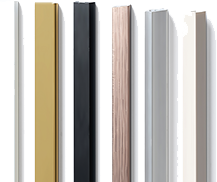
PVC Moulding
Sold by brand JinHuan
-
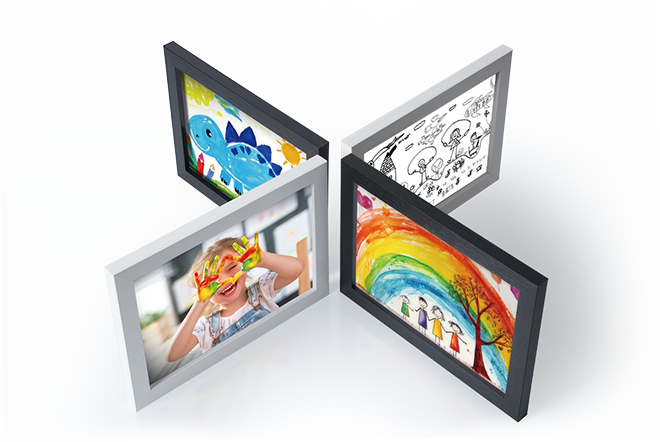
MDF Picture Frame
Sold by brand JinHuan
-
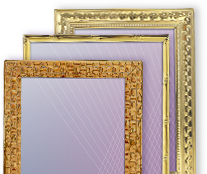
Iron Photo Frame
Sold by brand JinHuan
-
Plastic Injection Frame
Sold by brand JinHuan

-
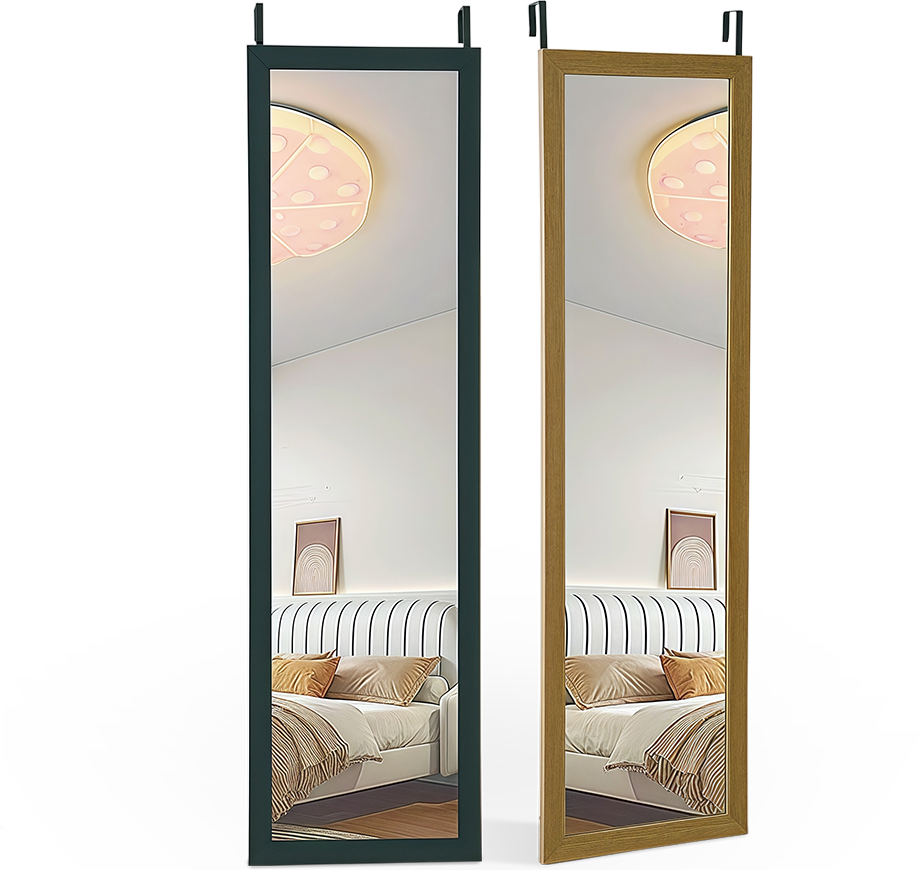
Mirror
Sold by brand JinHuan
-
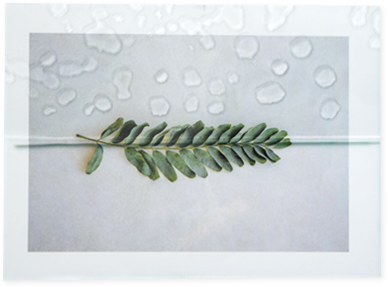
Glass Picture Frame
Sold by brand JinHuan
-
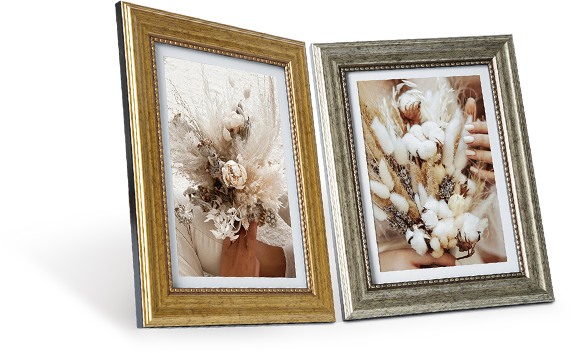
PS Picture Frame
Sold by brand JinHuan
-
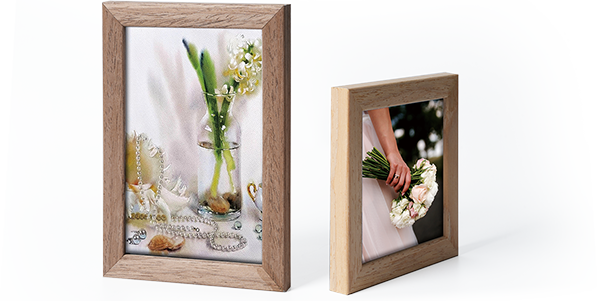
Solid Wood Picture Frame
Sold by brand JinHuan
-
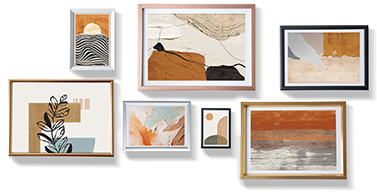
Aluminum Alloy Picture Frame.
Sold by brand JinHuan
How to Choose Wood Molding for Picture Frames

Jinhuan's professional manufacturing solutions empower your premium product production.
Wood molding plays a crucial role in the overall appearance and durability of a picture frame. Selecting the right molding ensures that the frame not only protects the artwork or photo but also complements its visual appeal. Several factors should be considered when choosing wood molding for picture frames.
Type of Wood
Different woods offer unique qualities. Hardwoods such as oak, maple, and walnut are durable and feature rich grain patterns, making them ideal for high-end or long-lasting frames. Softwoods like pine are more affordable and easier to work with, often chosen for casual or decorative uses.
Style and Profile
The profile of the molding determines the frame’s aesthetic. Simple, flat moldings create a modern, minimalist look, while carved or beveled profiles add depth and traditional charm. Matching the molding style to the artwork helps enhance the display.
Finish and Color
Wood moldings can be finished with paint, stain, or natural coatings. Stained finishes highlight the natural grain, while painted finishes allow for bold colors. Choosing a finish that complements the artwork’s tone and the room decor is important.
Size and Proportion
The width and depth of the molding should be proportionate to the artwork. Large artworks often require wider moldings for balance, while small photos look better with narrower moldings. Proportion ensures that the frame enhances rather than overwhelms the piece.
What Are the Different Types of Raw Wood Picture Frames Available?
Raw wood picture frames appeal to those who value natural beauty and customization. Unlike finished frames, raw wood frames are untreated or minimally processed, giving consumers the flexibility to paint, stain, or finish them according to their preferences. Several types of raw wood picture frames are available, each with distinct characteristics.
Oak Frames
Oak is a popular hardwood choice for raw frames due to its strength and visible grain patterns. Oak frames are durable and versatile, making them suitable for both rustic and formal settings.
Maple Frames
Maple wood is known for its smooth texture and light color. Raw maple frames are easy to stain or paint, allowing users to adapt them to various design styles. Their fine grain makes them ideal for sleek and modern finishes.
Pine Frames
Pine is a softwood that is lightweight and affordable. Raw pine frames are easy to work with and can be left natural for a casual look or stained to resemble more expensive hardwoods. They are commonly used in DIY projects.
Walnut Frames
Walnut is valued for its dark, rich tones and natural elegance. Raw walnut frames provide a sophisticated appearance even without finishing. They are often chosen for artworks or photographs that require a refined presentation.
Unfinished Custom Frames
In addition to common wood types, unfinished custom frames are available in specialty woods such as cherry or mahogany. These frames allow complete personalization, giving users the freedom to choose stains or finishes that suit specific interiors.
Raw wood frames offer flexibility, natural appeal, and creative opportunities. Whether made from oak, maple, pine, walnut, or other specialty woods, they allow individuals to tailor the final look of their picture frames while enjoying the authentic character of real wood.
Your email address will not be published. Required fields are marked *
China Picture Frames Online Factory
Copyright © JinHuan Art & Craft Products Co., Ltd. All Rights Reserved.
