

 English
 Español
 日本語
日本語 عربى
عربى русский
-
PVC Picture Frame
Sold by brand JinHuan

-
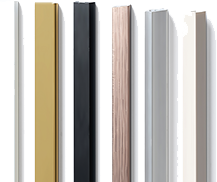
PVC Moulding
Sold by brand JinHuan
-
MDF Picture Frame
Sold by brand JinHuan

-
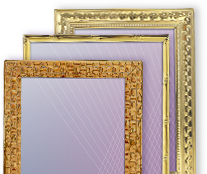
Iron Photo Frame
Sold by brand JinHuan
-
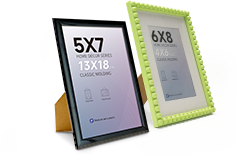
Plastic Injection Frame
Sold by brand JinHuan
-
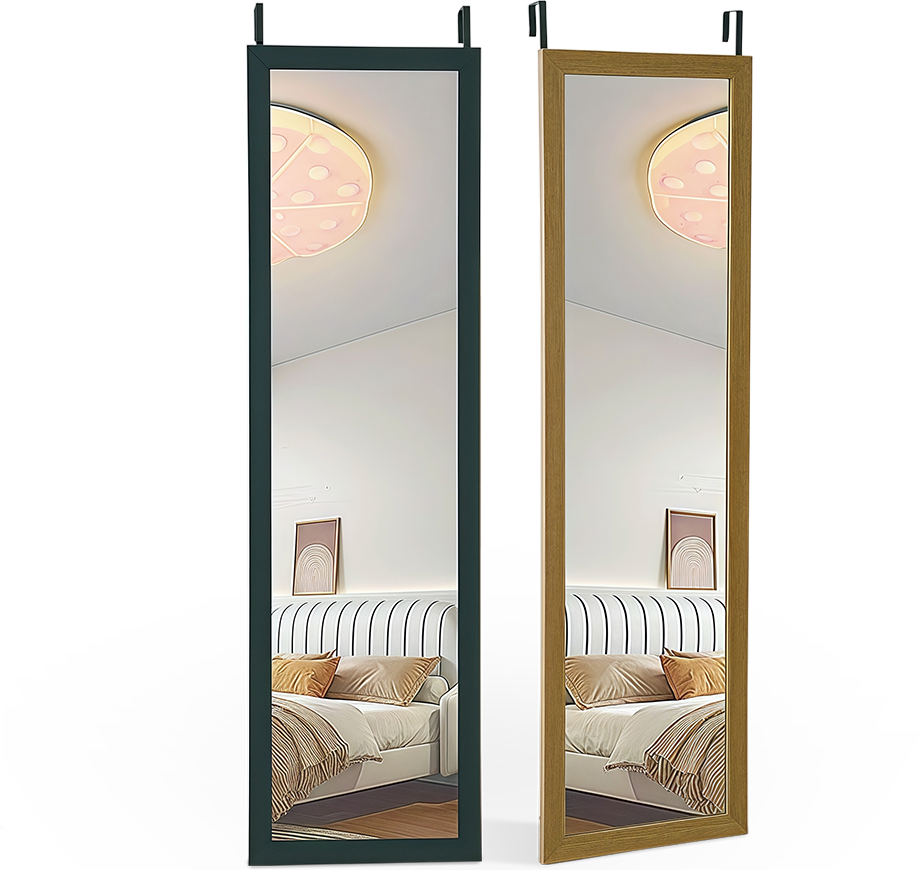
Mirror
Sold by brand JinHuan
-
Glass Picture Frame
Sold by brand JinHuan

-
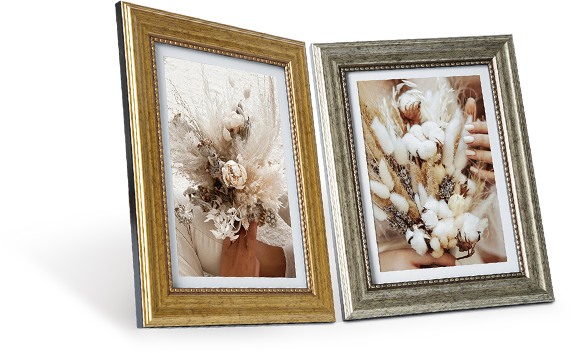
PS Picture Frame
Sold by brand JinHuan
-
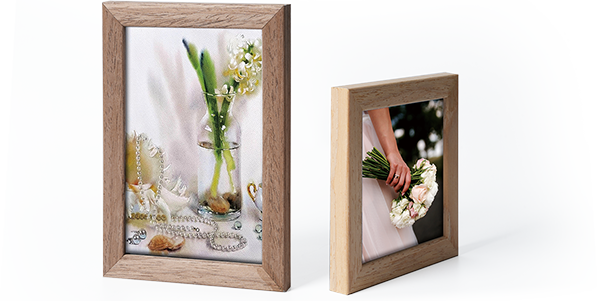
Solid Wood Picture Frame
Sold by brand JinHuan
-
Aluminum Alloy Picture Frame.
Sold by brand JinHuan

PS Picture Frames: A Practical Guide

Jinhuan's professional manufacturing solutions empower your premium product production.
Types of PS Picture Frames on the Market
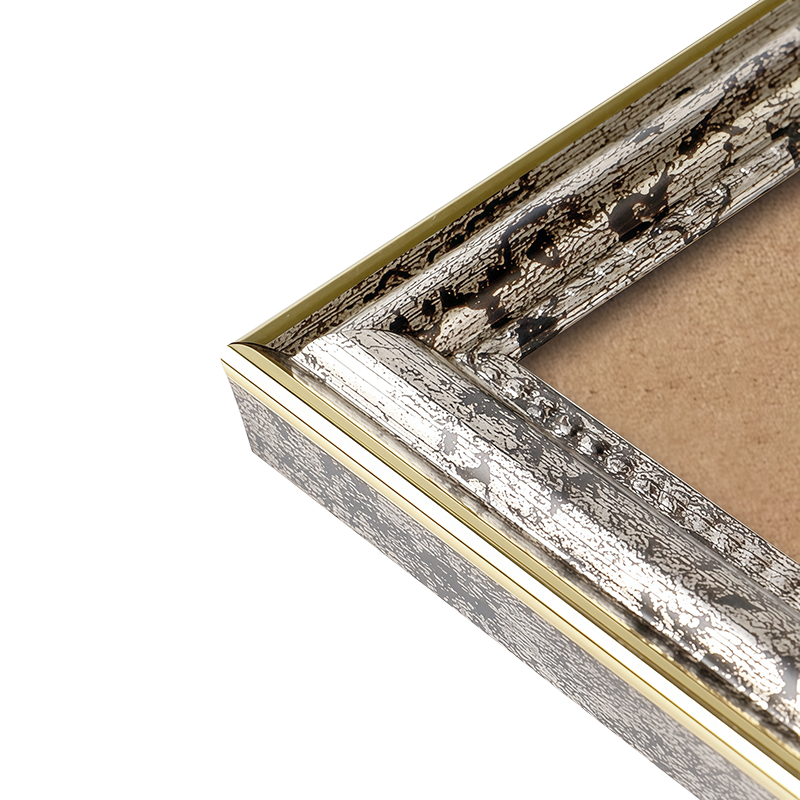
PS picture frames are widely available because they are lightweight and less expensive than wood or metal alternatives.
Standard Profile Moulding Frames resemble traditional wood frames in shape, with a flat back and a slightly raised outer edge. The PS extrusion is cut at 45-degree angles and joined at the corners using V-nails or adhesive. These frames are available in widths from 15 mm to 50 mm and depths from 15 mm to 30 mm. They are intended for general home use for photos, certificates, and art prints. The surface is either smooth or textured to imitate wood grain.
Ornate and Embellished Frames have decorative profiles including raised ridges, scalloped edges, or corner rosettes. These shapes are created during the extrusion process through specially shaped dies, not by separate attachment. Common ornament styles include Baroque (curved, flowing lines) and Gothic (pointed arches and floral motifs). These frames frequently accompany religious art, wedding photos, or classic painting reproductions. Their weight is typically 20 to 30 per cent higher than standard profile frames because of additional material in the decorative sections.
Poster or Large Format Frames are designed for artwork larger than 18 × 24 inches. The PS moulding is thicker (20 to 25 mm width) and often includes a metal or wood reinforcing bar (hidden within the hollow PS extrusion) to prevent bowing over spans longer than 90 cm. These frames typically come with hanging wire and D-rings rated for 10 to 15 kg. Corner joints may include metal brackets in addition to adhesive for extra strength.
Snap-Open or Clip Frames consist of a front PS sheet (transparent or opaque) that snaps onto a back plate. There are no mitred corners; the frame is a single moulded piece. These are used for temporary displays, event signage, or children's artwork. Sizes range from 4 × 6 inches to 11 × 17 inches. The front panel is removable without tools, allowing quick artwork changes. However, they offer less protection against dust than closed-corner frames because the snap closure is rarely fully airtight.
Collage and Multi-Opening Frames contain multiple apertures within one PS frame body, typically 2 to 8 openings arranged in a grid or irregular pattern. The back has individual easels or a single sawtooth hanger. Common configurations include 3 × 3 for 4 × 6 inch photos or 2 × 2 for 5 × 7 inch photos. The dividers between openings are PS material, 8 to 12 mm wide. These frames are often used for family photo collections.
Deep Box or Shadow Box Frames have a PS moulding depth of 40 to 60 mm, allowing display of three-dimensional objects such as medals, shells, or small memorabilia. The interior depth accommodates objects up to 25 mm thick without pressing against the glass. The back is fitted with a foam core or corrugated plastic board with fabric covering. These frames require additional corner reinforcement, usually metal brackets glued and screwed into the PS.
Floating Frames have a clear plastic sheet sandwiched between two PS frames, allowing the artwork to appear suspended between two glass or acrylic layers. The artwork is held only by the pressure of the frame layers, not by a backing board. This style is used for double-sided artworks or for floating mat presentations. The PS material is often transparent or translucent to enhance the floating visual effect.
Magnetic Frames incorporate small neodymium magnets embedded in the PS moulding during injection moulding (not extrusion). The frame separates into two halves that snap together magnetically, eliminating corner joints. They are common for refrigerator-mounted photos in smaller sizes (4 × 6 inches). The magnetic force is typically 1 to 2 kg pull strength, sufficient for vertical mounting on steel surfaces.
Your email address will not be published. Required fields are marked *
China Picture Frames Online Factory
Copyright © JinHuan Art & Craft Products Co., Ltd. All Rights Reserved.
