

 English
 Español
 日本語
日本語 عربى
عربى русский
-
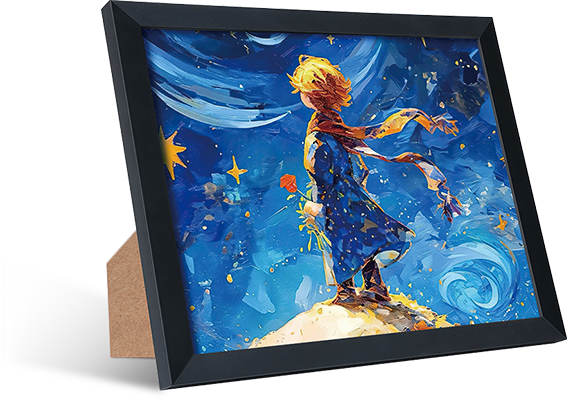
PVC Picture Frame
Sold by brand JinHuan
-
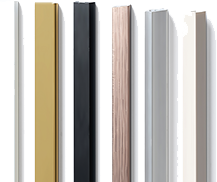
PVC Moulding
Sold by brand JinHuan
-
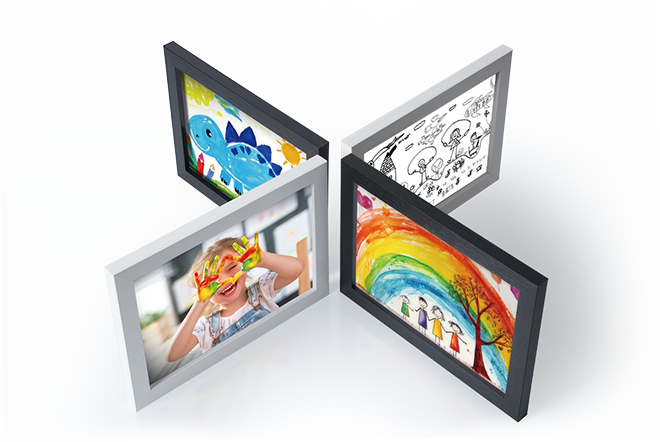
MDF Picture Frame
Sold by brand JinHuan
-
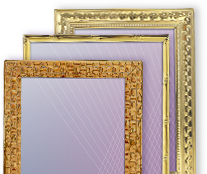
Iron Photo Frame
Sold by brand JinHuan
-
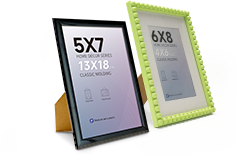
Plastic Injection Frame
Sold by brand JinHuan
-
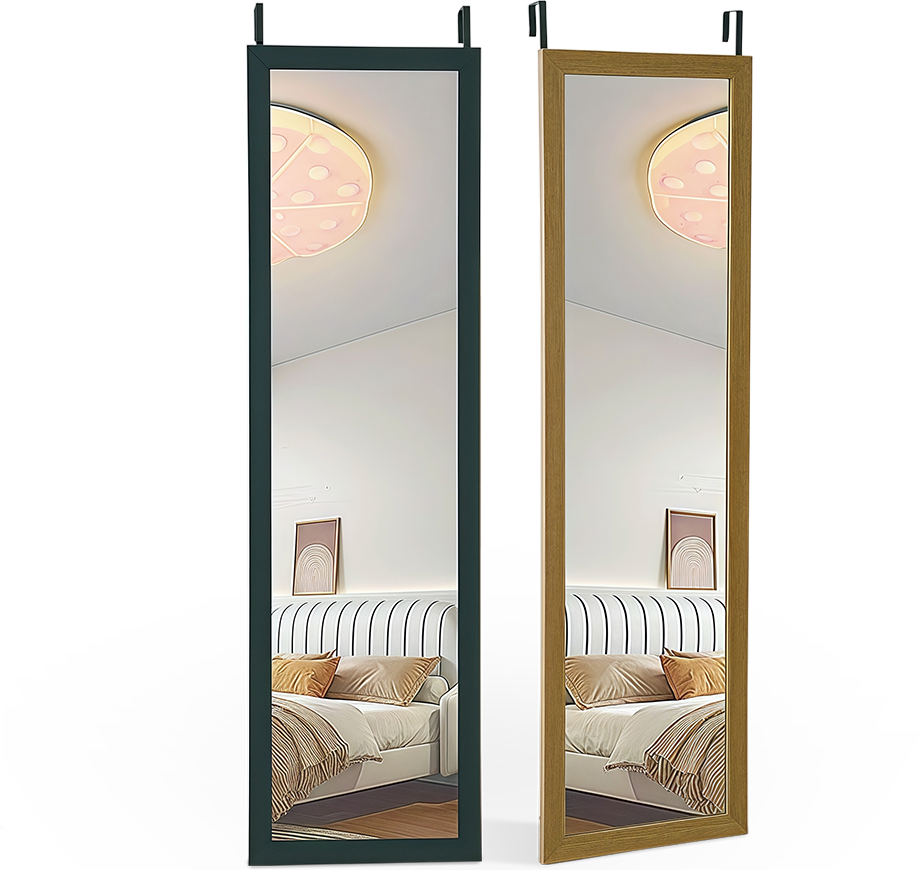
Mirror
Sold by brand JinHuan
-
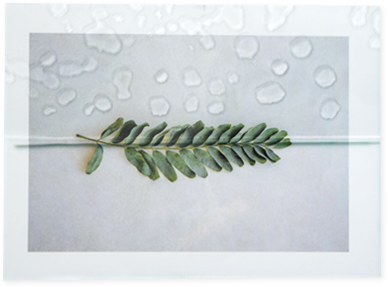
Glass Picture Frame
Sold by brand JinHuan
-
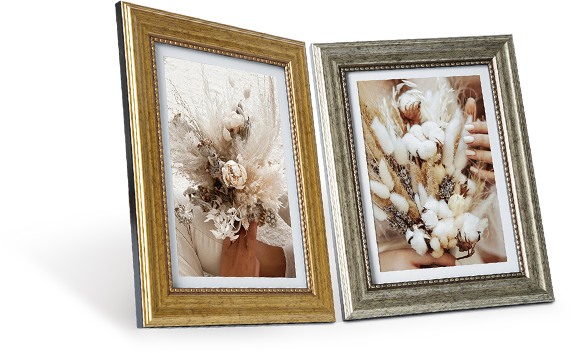
PS Picture Frame
Sold by brand JinHuan
-
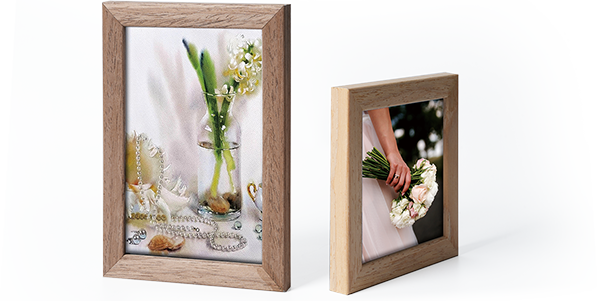
Solid Wood Picture Frame
Sold by brand JinHuan
-
Aluminum Alloy Picture Frame.
Sold by brand JinHuan
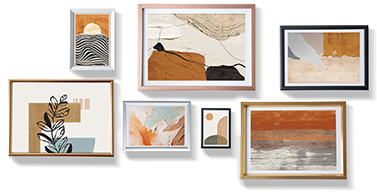
Custom Aluminum Picture Frames: Regional Profile Standards

Jinhuan's professional manufacturing solutions empower your premium product production.
Material Selection and Construction Methods for Custom Aluminum Frames
Alloy grades and their practical differences.
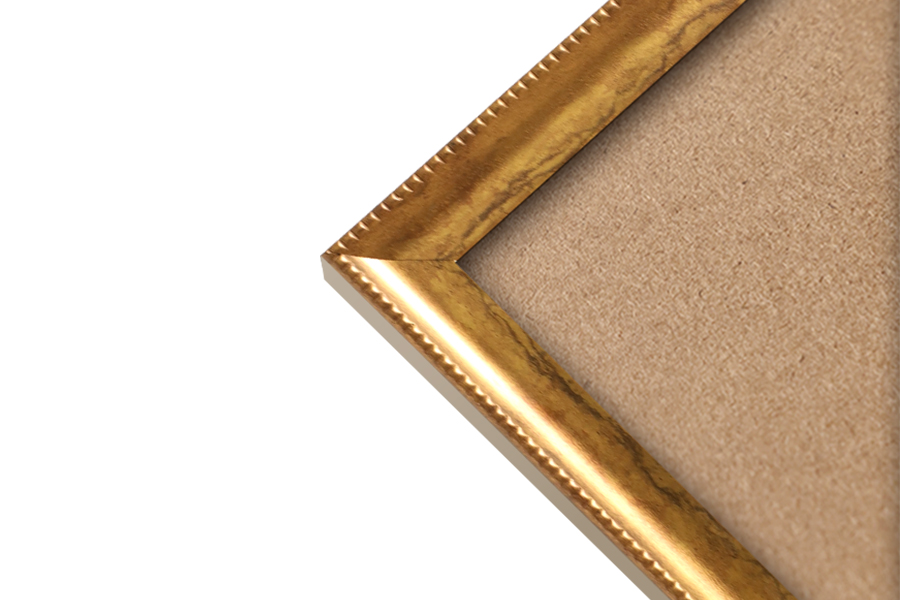
Custom aluminum picture frames are made from extruded aluminum profiles, typically 6063 or 6061 alloy. 6063 aluminum (common in architectural applications) offers a good surface finish for anodizing and painting. It has a tensile strength of about 150–190 MPa and is easy to extrude into complex hollow shapes. Most ready-made aluminum frames use 6063 because the surface comes out smooth and consistent. 6061 aluminum is stronger (tensile strength 240–310 MPa) but harder to extrude with fine detail. You'd find 6061 in heavy-duty frames meant for large artwork (over 1 meter per side) or frames that will be mounted in high-traffic commercial spaces. The difference matters when you hang a 30×40 inch piece with glass: a 6063 frame with 1.2 mm wall thickness will bow slightly in the center (maybe 2–3 mm visible deflection) under the weight of the glass, while 6061 with the same profile would stay straight.
Profile shapes and hollow versus solid sections.
Aluminum picture frame profiles come in three basic shapes, each with trade-offs. The simplest is an L-shaped channel (two walls at 90 degrees). This gives a minimal look—just a thin front lip holding the glass and a back lip for hardware. L-profiles are lightweight and inexpensive but offer little protection to the glass edge. The most common profile is the hollow-back design: a front face, a back wall with a channel for spring clips or turn buttons, and internal ribs for stiffness. Hollow-back profiles are 15–30% stiffer than L-profiles of the same external dimensions. For very large artwork, manufacturers use profiles with a separate strainer frame system—the decorative outer frame attaches to a hidden inner frame that bears the weight. This two-piece approach allows the visible frame to be as narrow as 15 mm while still supporting a 1.5-meter-tall painting.
Glass retention and mounting hardware.
How glass and artwork are held in place distinguishes cheap frames from better ones. The lowest-cost method uses small metal spring clips that press against the back of the backing board. These work for frames up to 50 cm per side. Above that size, spring clips don't apply even pressure, and the glass can shift during handling. Turn buttons (flat metal tabs that rotate into place) are more secure. A frame for a 60×90 cm print with glass should have at least 8 turn buttons—two per side. Some custom fabricators use a flexible plastic spline (like window screen spline) pushed into a groove behind the frame. This applies continuous pressure around the entire perimeter, which keeps the glass flat against the frame lip. The downside is that disassembling a spline-mounted frame for cleaning or artwork replacement is more work.
Joining methods for mitered corners.
Custom aluminum frames are almost always mitered at 45 degrees and joined at the corners. The most reliable joining system uses pre-installed corner keys (small metal brackets) that slide into channels in both profiles, then screws draw the corners tight. A variation uses plastic corner gussets that snap into hollow profiles and are secured with set screws. For very large frames (over 1.5 meters), some fabricators use external metal corner braces screwed into the outer face of the frame—visible but very strong. The least durable method is simple adhesive bonding. Epoxy-joined aluminum corners can hold for a few years, but temperature changes (aluminum expands about 23 µm per meter per degree Celsius) stress the bond. Over a 1.2-meter frame with a 30°C temperature swing, the gap at each corner changes by about 0.2 mm. Adhesive alone eventually fatigues.
Your email address will not be published. Required fields are marked *
China Picture Frames Online Factory
Copyright © JinHuan Art & Craft Products Co., Ltd. All Rights Reserved.
