

 English
 Español
 日本語
日本語 عربى
عربى русский
-
PVC Picture Frame
Sold by brand JinHuan

-
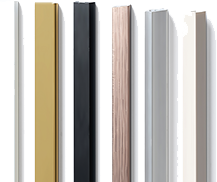
PVC Moulding
Sold by brand JinHuan
-
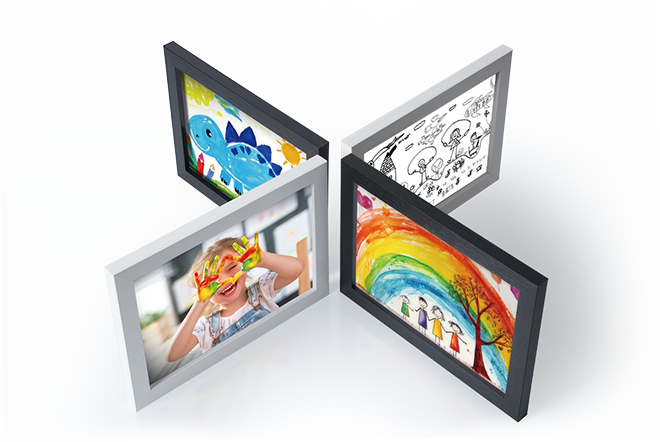
MDF Picture Frame
Sold by brand JinHuan
-
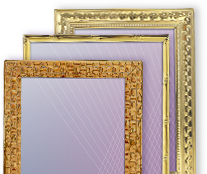
Iron Photo Frame
Sold by brand JinHuan
-
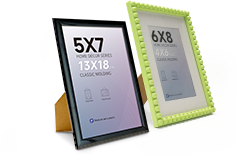
Plastic Injection Frame
Sold by brand JinHuan
-
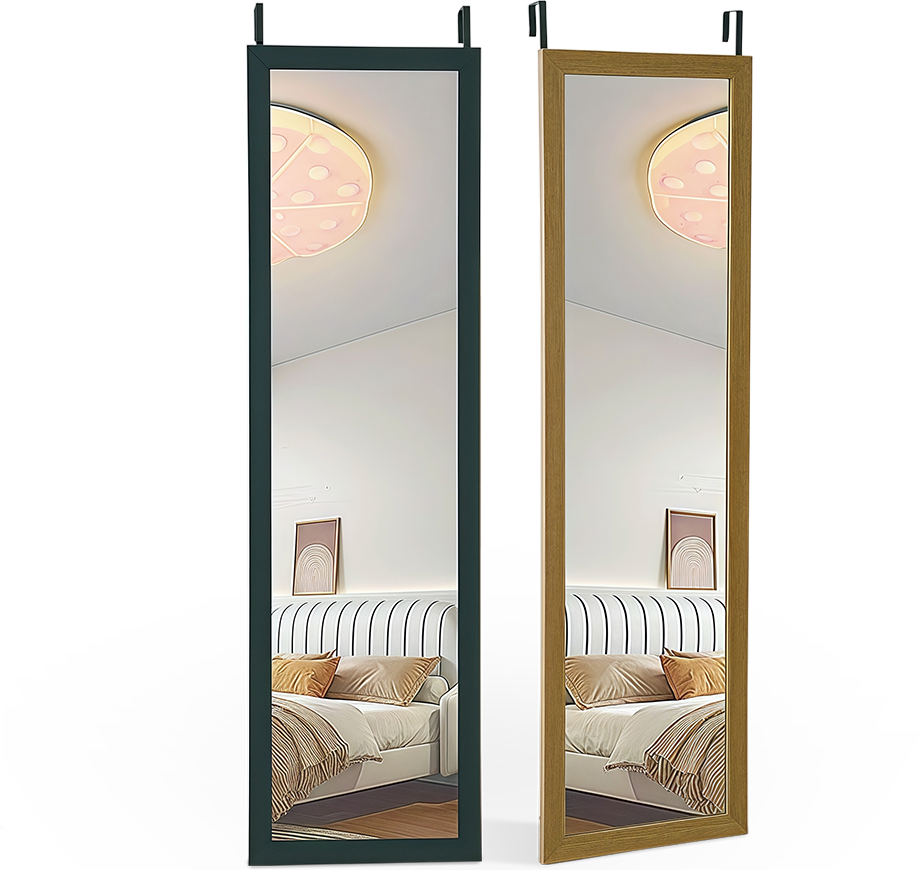
Mirror
Sold by brand JinHuan
-
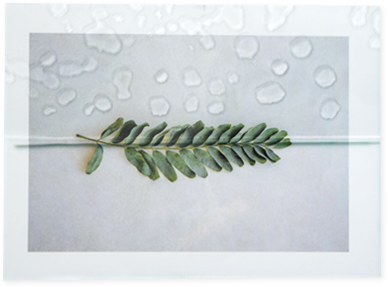
Glass Picture Frame
Sold by brand JinHuan
-
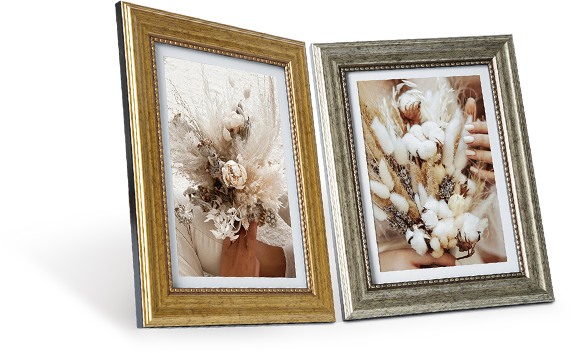
PS Picture Frame
Sold by brand JinHuan
-
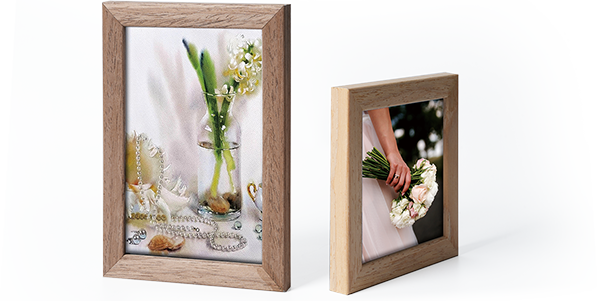
Solid Wood Picture Frame
Sold by brand JinHuan
-
Aluminum Alloy Picture Frame.
Sold by brand JinHuan
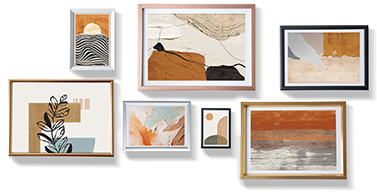
What types of glass are available for custom frames

Jinhuan's professional manufacturing solutions empower your premium product production.
How do they perform differently?
The glass you choose affects how the framed item looks today and how well it survives over time. Here's a breakdown of the common options:
- Standard clear float glass (2–3 mm thick). This is regular window glass—clear, no coatings, about 88–92% light transmission (the rest is reflected). It offers no UV protection (blocks only about 20–30% of UV light). It reflects light like a mirror, which can make seeing the art difficult in bright rooms. Best for: inexpensive framing, temporary displays, items that don't have high sentimental or monetary value. Downside: breaks easily, and broken glass can scratch the art underneath.
- Non-glare (matte) glass. One surface is etched with acid or sandblasted to diffuse reflections. Light transmission drops to 85–88%. The etched surface softens the image slightly—fine details (like pencil drawings or small text) can appear less crisp. UV protection is still low (30–40% UV block). Best for: documents or photos in brightly lit hallways where glare is a problem and image sharpness isn't critical. Downside: the matte surface can look slightly cloudy or hazy.
- UV-protective glass (also called conservation or museum glass). A thin coating (often a metal oxide layer less than 0.1 µm thick) blocks 97–99% of UV light between 300–400 nm. Visible light transmission remains high (90–95%). Some versions include anti-reflection coatings as well. This glass costs 3–5 times more than standard glass. Best for: valuable art, historical documents, signed photographs, fabric pieces, or anything that will be displayed for more than 2–3 years in a room with natural light. Without UV glass, paper yellows and fades within 2–5 years in direct sunlight; with UV glass, the same paper can last 30–50 years with noticeable fading.
- Acrylic (plexiglass or Plexiglas). Not actually glass—it's a clear plastic (polymethyl methacrylate, PMMA). It weighs 40–50% less than glass (important for large frames—a 24×36 inch acrylic sheet weighs about 1.5 kg, while glass of the same size weighs 3.0–3.5 kg). It resists shattering, so it's used for kids' rooms, dorms, or shipping framed art. But it scratches easily—even wiping with a dry paper towel can create fine scratches (0.05–0.1 mm wide) visible under bright light. Anti-scratch coated acrylic is available but adds 30–50% to the cost. Acrylic also has a high static charge, which attracts dust to the inside of the frame. UV-protective acrylic blocks 97–98% of UV. Best for: large frames, mail-order framing, children's art, or places where breakage is a real risk.
How does frame depth affect what you can put in a custom glass photo frame?
Frame depth is the distance from the front lip (where the glass sits) to the back edge of the frame. Ready-made frames typically have a depth of 10–15 mm. Custom frames can be ordered with a depth of 20–60 mm. What fits depends on that depth.
- Standard depth (10–15 mm): Holds glass (2–3 mm), a single mat (1–2 mm thick), the artwork (paper thin), and a backing board (3–5 mm). Total stack height: 6–10 mm. This leaves 0–4 mm clearance. Cannot hold objects thicker than about 2 mm—no coins, medals, fabric, or 3D items.
- Medium depth (20–30 mm): Holds glass, multiple mats (2–4 layers), thicker backing, and objects up to 5–8 mm thick (pressed flowers, thin memorabilia, a small key). Also allows for a "spacer" between glass and artwork (more on that below).
- Deep profile (35–60 mm): Used for shadow boxes. Can hold objects up to 15–40 mm thick—sports jerseys (folded to 20–30 mm thickness), small sculptures, military medals in display cases, baby shoes, or a cork from a special wine bottle. The deeper the frame, the heavier the finished piece, and the more careful you need to be about wall mounting (deep frames often require two hanging points, not one).
How does a customer ensure the custom frame is square and strong enough for the intended use?
Custom frames are made from molding—a long strip of wood (pine, oak, maple, poplar, walnut) or metal (aluminum) that is cut at 45-degree angles at the corners and joined. The strength comes from three things: the type of join, the corner reinforcement, and the backing.
Corner joints matter more than wood type. A frame joined with glue alone (butt joint) will pull apart at the corners over time, especially in seasonal humidity changes. Wood expands and contracts across its width (about 0.1–0.2 mm per 100 mm for every 10% humidity change). With poorly reinforced corners, the frame will literally pull apart at the miter—you'll see a gap of 0.5–2 mm at the corner. Good custom frames use one of these reinforcements:
- V-nail (also called a corrugated fastener or wedge): A small steel nail shaped like a V is driven into the back of the corner. This is standard for mid-range frames. Works well for frames up to 24×36 inches.
- Spline: A thin strip of wood or plastic is glued into a slot cut across the miter. Stronger than V-nails, used for large frames (30×40 inches and up) or heavy art.
- Corner brackets: Metal L-brackets (often brass or zinc) screwed into the back of the frame. Visible from the back, but very strong.
Checking for square. A frame that isn't square will cause the glass to fit poorly (it may not seat all the way, or it may rock inside the frame). To check before you leave the shop or before you hang it, measure from one outer corner to the opposite outer corner. Then measure the other diagonal. On a truly square frame, the two diagonal measurements are equal within 1 mm for a 20-inch frame (tolerance is roughly 1 mm per 500 mm). If the difference is 2–3 mm on a 20-inch frame, the frame is visibly out of square—the glass will not seat evenly, and the art will look crooked.
Your email address will not be published. Required fields are marked *
China Picture Frames Online Factory
Copyright © JinHuan Art & Craft Products Co., Ltd. All Rights Reserved.
