

 English
 Español
 日本語
日本語 عربى
عربى русский
-
PVC Picture Frame
Sold by brand JinHuan

-
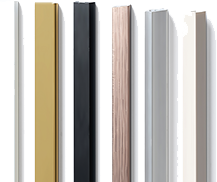
PVC Moulding
Sold by brand JinHuan
-
MDF Picture Frame
Sold by brand JinHuan

-
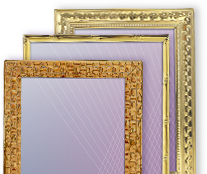
Iron Photo Frame
Sold by brand JinHuan
-
Plastic Injection Frame
Sold by brand JinHuan

-
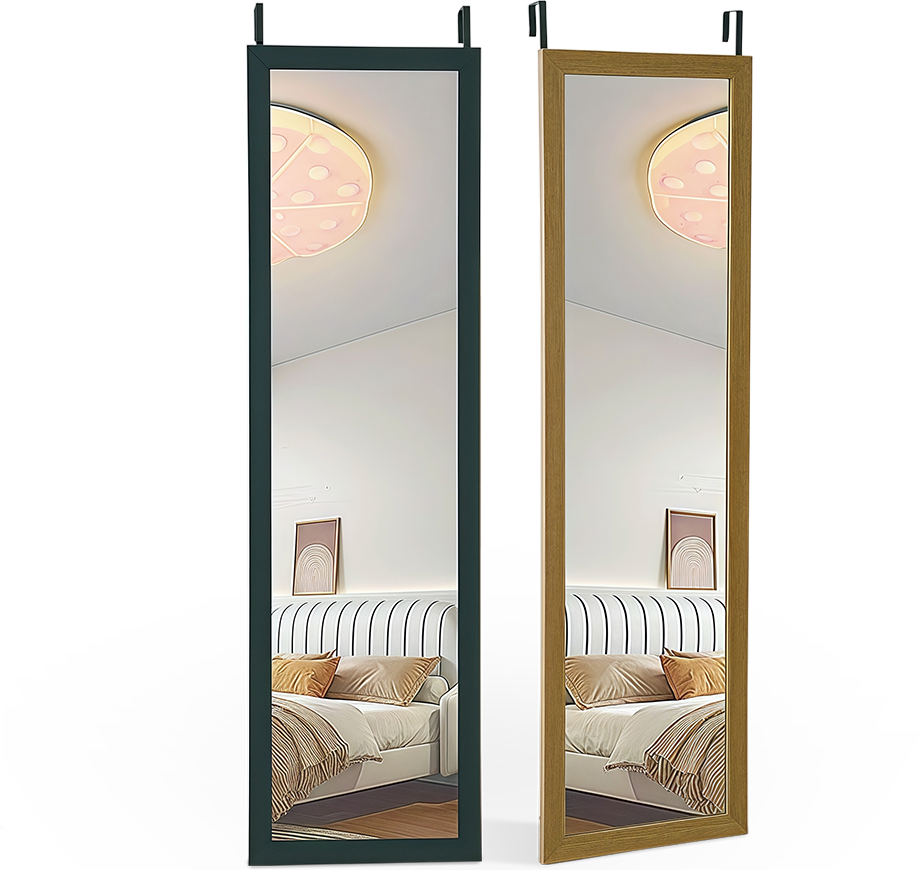
Mirror
Sold by brand JinHuan
-
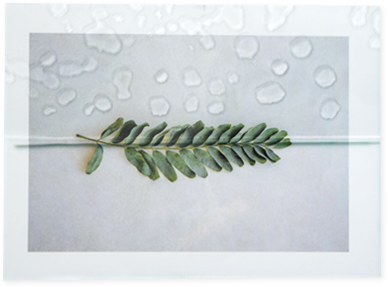
Glass Picture Frame
Sold by brand JinHuan
-
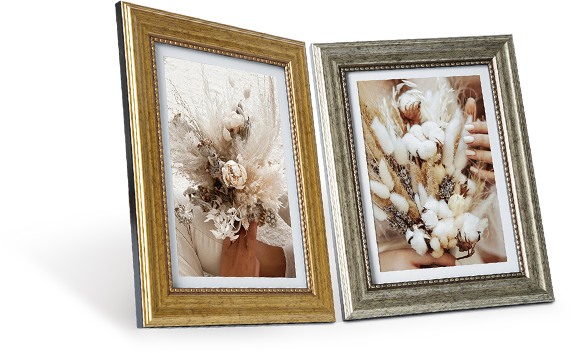
PS Picture Frame
Sold by brand JinHuan
-
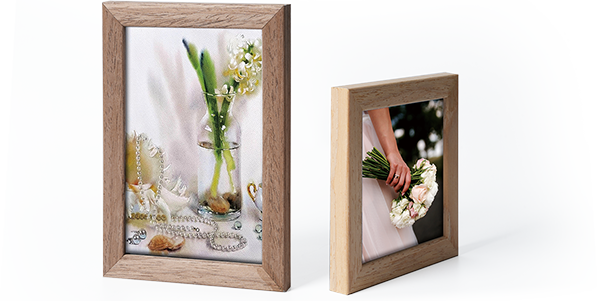
Solid Wood Picture Frame
Sold by brand JinHuan
-
Aluminum Alloy Picture Frame.
Sold by brand JinHuan

The Enduring Appeal of Natural Wood Photo Frames

Jinhuan's professional manufacturing solutions empower your premium product production.
The selection of a picture frame is a decision that influences both the presentation of the image and its preservation over time. Natural wood frames have remained a perennial favorite, offering a combination of aesthetic warmth and structural integrity that synthetic materials often struggle to match. Their inherent quality and durability are derived from the type of wood, the construction methods, and the finishing techniques employed, making them a considered choice for both personal and professional display.
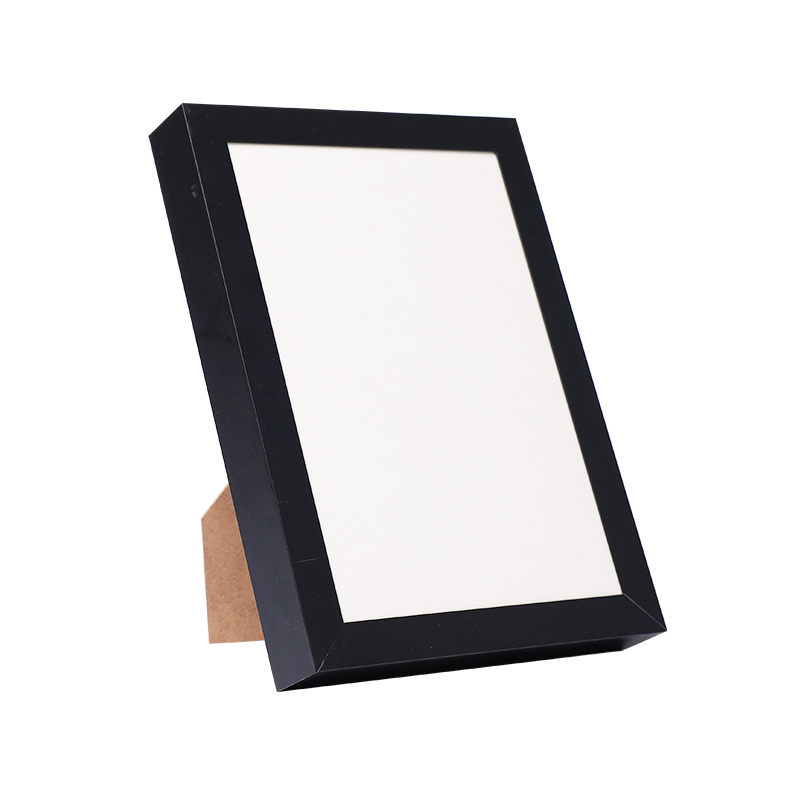
The foundation of a frame's durability lies in the species of wood selected for its construction. Hardwoods, such as oak, walnut, maple, and cherry, are densely packed and highly resistant to physical damage like dents and scratches. Their robust nature makes them ideal for frames intended for high-traffic areas or valuable artwork, as they provide a sturdy, long-lasting border. Softer woods, like pine, offer a different set of advantages. They are more easily shaped and carved, allowing for intricate, ornate profiles that are difficult to achieve with hardwoods. While potentially more susceptible to surface wear, a well-applied finish can provide ample protection, making them a durable and often more affordable option.
Beyond the raw material, the quality of construction is paramount. A well-made wood frame will feature strong, cleanly cut corner joints. Techniques such as mortise and tenon or dovetail joints, where pieces interlock precisely, are good to simple stapling or gluing. These traditional methods ensure the frame remains square and stable over decades, resisting warping or separation that can compromise its structural role. The final layer of protection is the finish. A quality sealant, whether a varnish, lacquer, or oil, does more than enhance the wood's natural grain; it acts as a vital barrier. This seal protects the wood from its two greatest environmental enemies: moisture and ultraviolet light. By preventing moisture absorption, the finish guards against warping, cracking, and mold. Furthermore, a UV-resistant topcoat helps prevent the wood from fading or discoloring when exposed to sunlight, preserving its original rich color for generations.
The longevity and appearance of a natural wood picture frame are directly supported by consistent and appropriate maintenance. Unlike their metal or plastic counterparts, wood is an organic material that responds to its environment, requiring a care routine that is simple yet essential for its preservation. This maintenance primarily involves regular dusting, occasional deeper cleaning, and mindful environmental control to mitigate potential damage.
The fundamental and effective maintenance task is regular, gentle dusting. Accumulated dust is not merely a cosmetic issue; it can eventually scratch the frame’s finish and become ingrained if left unattended. The recommended method is to use a soft, clean, lint-free cloth—such as microfiber or a cotton flannel. For carved frames with intricate details, a soft-bristled brush, like a clean paintbrush or makeup brush, can be used to carefully dislodge dust from crevices without causing abrasion. It is important to avoid feather dusters or rough cloths, as these can inadvertently leave micro-scratches on the finish over time.
For more thorough cleaning, the approach must be cautious. Harsh chemical cleaners, abrasives, or furniture polishes should be strictly avoided, as they can degrade or cloud the protective finish, sometimes permanently damaging the wood underneath. If a frame becomes smudged or stained, the safest method is to slightly dampen a cloth with water—ensuring it is well-wrung and not wet—and wipe the surface gently, immediately following with a dry cloth. For stubborn grime, a small amount of mild, oil-based soap specifically designed for wood can be used sparingly. The primary goal of maintenance is preventative, focusing on controlling the frame’s environment. Keeping frames away from direct sunlight slows fading and prevents the finish from becoming brittle. Similarly, placing them away from heat sources like radiators and maintaining a stable indoor humidity level helps prevent the wood from drying out, cracking, or warping. By following these straightforward steps, the natural beauty and structural integrity of a wood frame can be effortlessly maintained for years to come.
Your email address will not be published. Required fields are marked *
China Picture Frames Online Factory
Copyright © JinHuan Art & Craft Products Co., Ltd. All Rights Reserved.
