

 English
 Español
 日本語
日本語 عربى
عربى русский
-
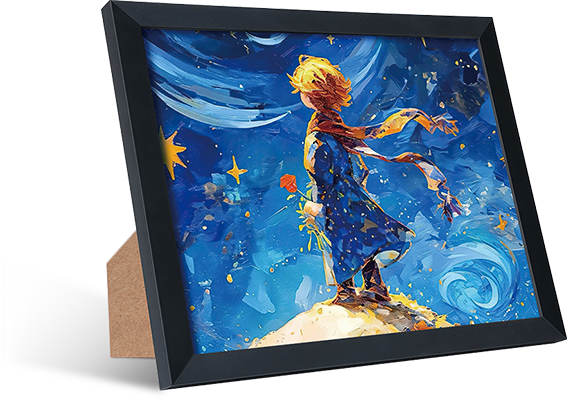
PVC Picture Frame
Sold by brand JinHuan
-
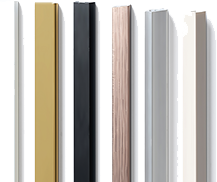
PVC Moulding
Sold by brand JinHuan
-
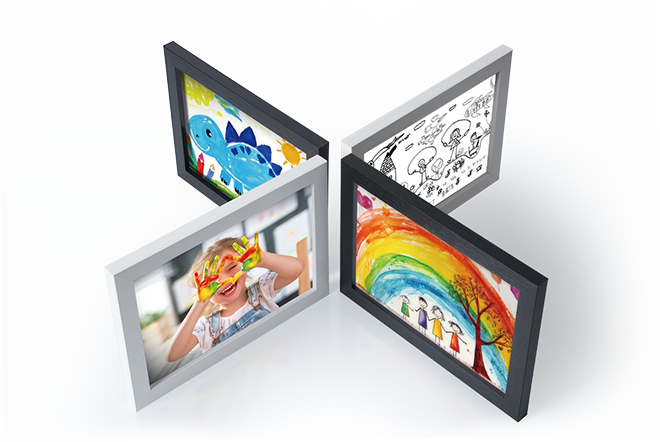
MDF Picture Frame
Sold by brand JinHuan
-
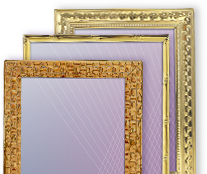
Iron Photo Frame
Sold by brand JinHuan
-
Plastic Injection Frame
Sold by brand JinHuan

-
Mirror
Sold by brand JinHuan
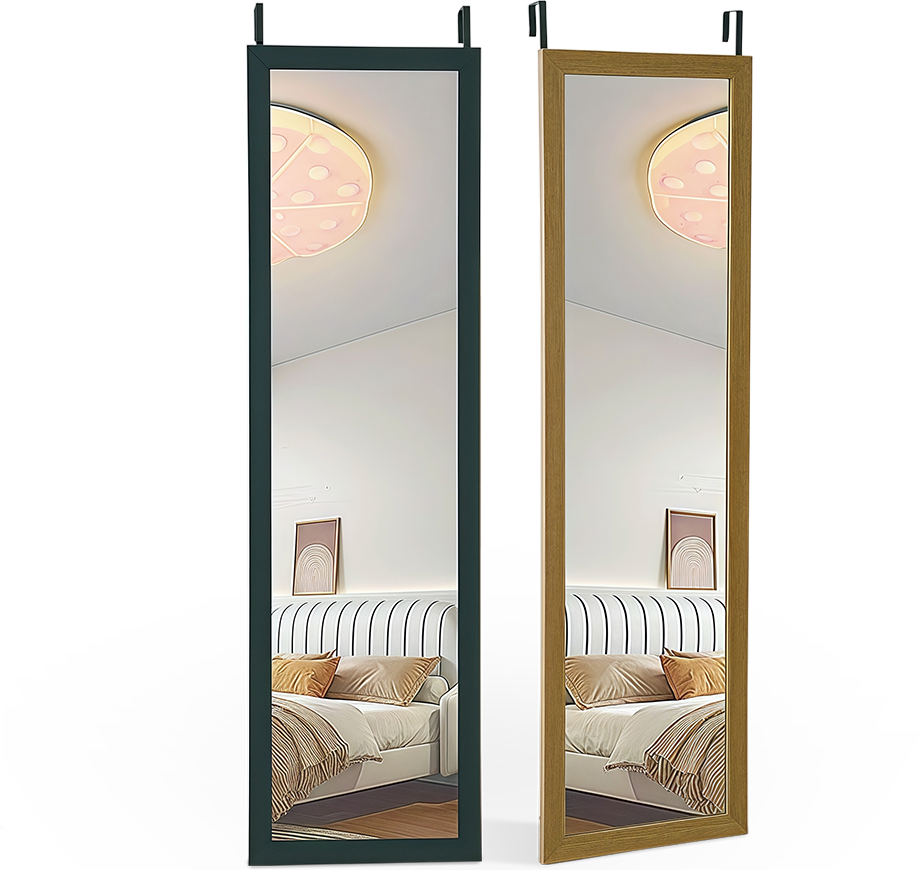
-
Glass Picture Frame
Sold by brand JinHuan
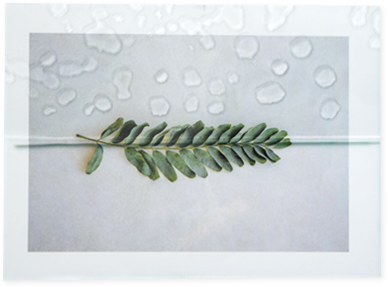
-
PS Picture Frame
Sold by brand JinHuan
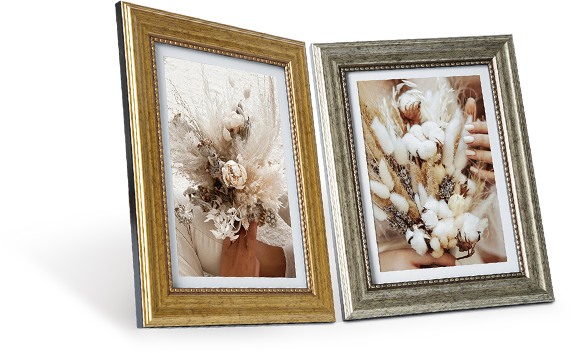
-
Solid Wood Picture Frame
Sold by brand JinHuan
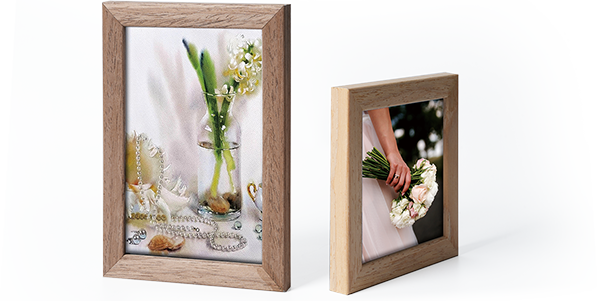
-
Aluminum Alloy Picture Frame.
Sold by brand JinHuan
What are some common materials used in solid wood photo frames?

Jinhuan's professional manufacturing solutions empower your premium product production.
The selection of a solid wood photo frame involves considerations that extend beyond mere aesthetics. The chosen wood species dictates the frame's character, durability, interaction with finishes, and its long-term presence in an interior space. Unlike composite or plastic alternatives, solid wood offers a unique grain pattern and material integrity. The common materials used represent a range of hardness, color, and grain characteristics, each contributing distinct visual and physical properties to the final product.
Part 1: Hardwoods with Prominent Grain Patterns
This category comprises woods known for their durability and distinctive, often open, grain structures that become a primary visual feature of the frame.
1.1. Oak
Oak is a prevalent choice for picture frames, available primarily in two varieties: Red Oak and White Oak.
Characteristics: Oak has a prominent, open grain pattern that is coarse and easily recognizable. It is a hard and heavy wood, imparting a sense of sturdiness.
Workability and Finish: Its porous structure requires a filler to achieve a smooth surface under a finish. It stains consistently, with Red Oak taking on warmer, pinkish tones and White Oak leaning towards drier, brown and tan hues. Its durability makes it suitable for larger frames that require structural strength.
1.2. Ash
Ash is valued for its contrasting appearance and mechanical properties.
Characteristics: The wood is generally light in color, ranging from pale cream to light brown, with a grain that can be straight and pronounced. It is known for its good bending strength and shock resistance.
Workability and Finish: Ash is relatively easy to work with and takes stains well. However, its porous grain, similar to oak, often benefits from filling for a glossy finish. It provides a modern, clean look while showcasing a clear wood character.
1.3. Walnut
Walnut is a premium hardwood favored for its rich coloration and elegant grain.
Characteristics: American Black Walnut typically features a straight, open grain and a color spectrum from a lighter pale brown to a deep, chocolate brown, often with darker streaks. The heartwood is naturally dark, reducing the need for dark stains.
Workability and Finish: It is a strong, stable wood that is generally easy to work with. Its natural color is often enhanced with clear coats or oil finishes rather than being obscured with stain, allowing its inherent beauty to be the focal point.
Part 2: Hardwoods with Finer or Varied Grain
These woods are often chosen for their ability to provide a smoother, more uniform background for the artwork or to offer unique colorations.
2.1. Maple
Maple offers a subtler wood aesthetic compared to oak or ash.
- Characteristics: Hard Maple has a fine, uniform texture and a generally closed grain. Its color is typically a light, creamy white, sometimes with reddish or golden tones. Figured varieties, such as birdseye or curly maple, are highly prized for their decorative patterns.
- Workability and Finish: Maple is a hard and dense wood, which can make it challenging to work with but results in a very smooth surface. It can sometimes react unpredictably to stains, tending to blotch, so it is often finished with clear coats or paint to preserve its consistent appearance.
2.2. Cherry
Cherry is appreciated for its aging process and warm tones.
- Characteristics: The heartwood of cherry ranges from rich red to reddish-brown and is known for darkening significantly when exposed to light over time. Its grain is fine, straight, and smooth.
- Workability and Finish: It is a moderately hard wood that is very stable and easy to work with. It sands to a very smooth surface and, like walnut, is often finished with clear coats to allow its natural color evolution to become part of the frame's character.
2.3. Mahogany
While less common today due to sustainability concerns, genuine mahogany remains a benchmark for fine woodworking.
- Characteristics: It has a straight, fine, and uniform grain with minimal porosity. Its color is a distinctive reddish-brown.
- Workability and Finish: Mahogany is known for its stability and ease of working. It carves beautifully and takes a wide range of finishes exceptionally well, contributing to its historical use in ornate, classically styled frames.
JinHuan Art & Craft Products Co., Ltd. is located in Lanxi, a historic commercial hub in southern China, close to Shanghai Port and Ningbo Port. Specializing in the production of PVC photo frames, picture frames, and frame moldings, as well as PS frame moldings, photo frames, and picture frames.
Your email address will not be published. Required fields are marked *
China Picture Frames Online Factory
Copyright © JinHuan Art & Craft Products Co., Ltd. All Rights Reserved.
