

 English
 Español
 日本語
日本語 عربى
عربى русский
-
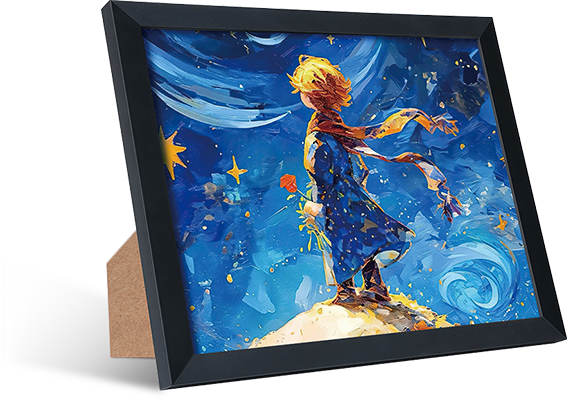
PVC Picture Frame
Sold by brand JinHuan
-
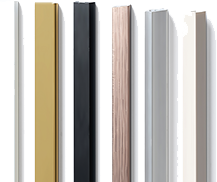
PVC Moulding
Sold by brand JinHuan
-
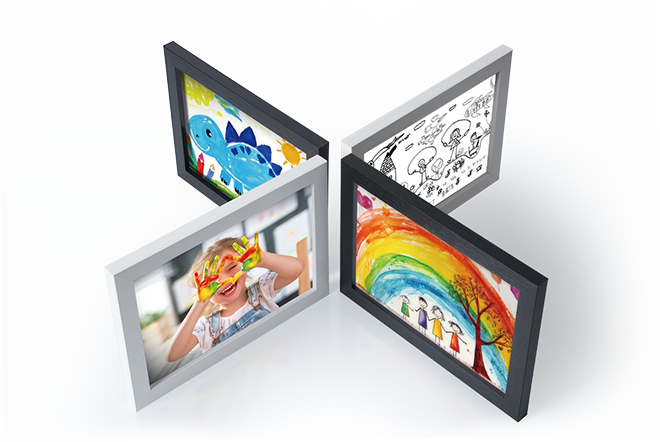
MDF Picture Frame
Sold by brand JinHuan
-
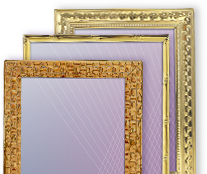
Iron Photo Frame
Sold by brand JinHuan
-
Plastic Injection Frame
Sold by brand JinHuan
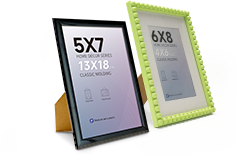
-
Mirror
Sold by brand JinHuan
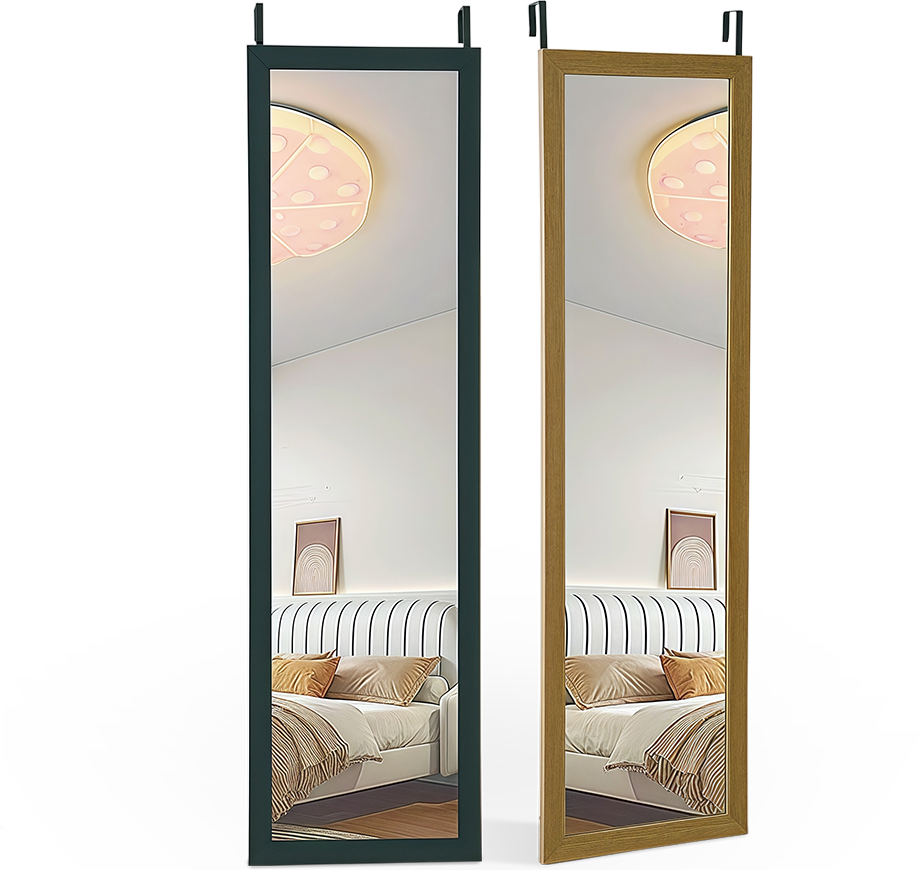
-
Glass Picture Frame
Sold by brand JinHuan
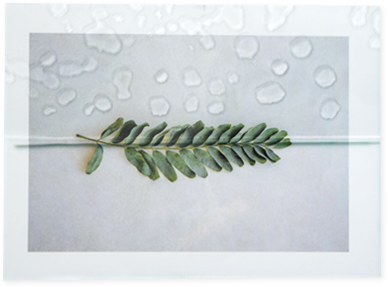
-
PS Picture Frame
Sold by brand JinHuan
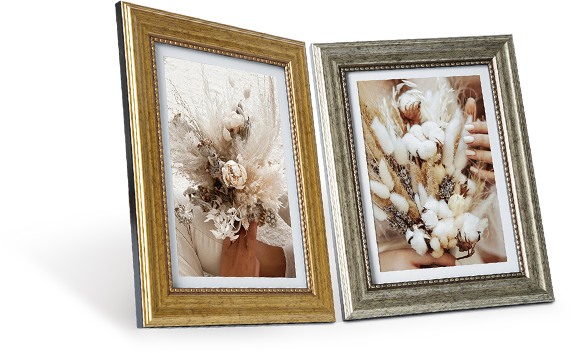
-
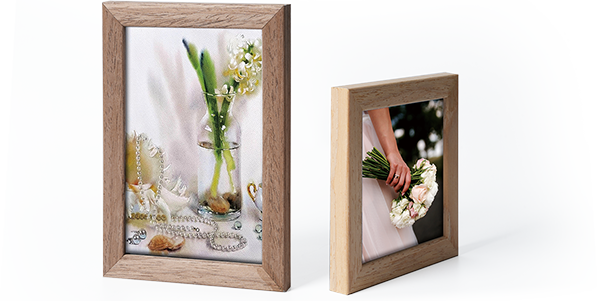
Solid Wood Picture Frame
Sold by brand JinHuan
-
Aluminum Alloy Picture Frame.
Sold by brand JinHuan
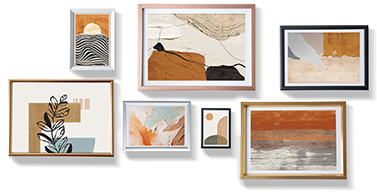
How Can You Select and Design the Perfect Custom Picture Frame?

Jinhuan's professional manufacturing solutions empower your premium product production.
Custom picture frames are a practical way to enhance artwork, photographs, or decorative pieces while protecting them from damage. Choosing the right frame involves considering materials, style, and the specific characteristics of the artwork. A thoughtfully selected frame can complement both the piece and the surrounding decor, creating visual harmony.
How to Choose the Right Custom Picture Frame for Your Artwork?
Selecting an appropriate frame involves several factors to ensure both aesthetic appeal and functional protection:
Artwork Size and Dimensions
Measure the artwork accurately, including any matting space, to ensure the frame fits properly.
Consider the depth of the piece, especially for canvases or multi-layered works.
Frame Material
Wood: Offers warmth and traditional appeal, available in various stains and finishes.
Metal: Provides a sleek, modern appearance and durability.
Composite or acrylic: Lightweight and versatile for informal or contemporary displays.
Style and Color
Choose a frame that complements the artwork’s style, whether traditional, modern, rustic, or minimalist.
Neutral or subtle colors often work well for vibrant artwork, while bold frames can accentuate understated pieces.
Protective Features
UV-resistant glass or acrylic reduces fading from sunlight.
Acid-free matting prevents discoloration or deterioration over time.
Room Decor Compatibility
Match or coordinate frame style with existing furniture, wall colors, and decorative elements.
Consider the visual weight of the frame relative to other pieces in the space.
By carefully evaluating these points, buyers can ensure that the custom frame enhances both the artwork and the room where it is displayed.
What is the Process of creating a Custom Picture Frame?
Creating a custom picture frame involves several steps to ensure a precise and professional finish.
Measurement and Design
Accurate Measurements
Measure the artwork carefully, including width, height, and depth. Include space for matting or glazing if required.
Design Selection
Choose the frame profile, color, and material. This design phase may involve sketches or 3D mock-ups to visualize the final product.
Cutting and Assembly
Frame Cutting
Frame pieces are cut at precise angles, typically 45 degrees, to form clean corners. Materials may include wood, metal, or composite.
Joining and Reinforcement
Frame corners are joined using adhesives, nails, or screws. Reinforcements such as corner brackets or spline joints ensure stability.
Finishing and Glazing
Surface Treatment
Wood frames may be stained, painted, or varnished, while metal frames are powder-coated or anodized.
Matting and Glass Installation
Acid-free mats are inserted around the artwork, and protective glazing (glass or acrylic) is added. This protects the piece from dust, light, and environmental damage.
Final Assembly
The backing board is placed, and the frame is sealed. Hanging hardware, such as D-rings or wire, is attached to allow proper display.
This step-by-step process ensures that the frame is tailored to the artwork and meets quality standards for both aesthetics and protection.
What Are Some Unique Custom Picture Frame Ideas for Home Decor?
Layered or Shadow Box Frames
Create depth by using a shadow box, allowing space for 3D objects like pressed flowers, small memorabilia, or layered paper art.
Floating Frames
Suspend the artwork between two panes of glass or acrylic to create a modern, minimalist look where the edges of the piece appear to float.
Mixed Material Frames
Combine wood, metal, or resin to achieve a unique texture or visual contrast, suitable for eclectic or contemporary interiors.
Customized Matting Designs
Use colored, textured, or patterned mats to enhance the artwork. Layer multiple mats for added visual interest.
Thematic Frames
Frames can reflect seasonal, cultural, or personal themes, such as nautical motifs for coastal decor or geometric patterns for modern rooms.
Reclaimed or Upcycled Frames
Old frames can be restored, repainted, or combined with other materials to create a distinctive and sustainable option.
Interactive or Modular Frames
Modular frames allow swapping artwork frequently, ideal for dynamic gallery walls or rotating photo displays.
By exploring these design options, homeowners can create frames that not only protect their artwork but also become an integral part of interior decoration.
Your email address will not be published. Required fields are marked *
China Picture Frames Online Factory
Copyright © JinHuan Art & Craft Products Co., Ltd. All Rights Reserved.
