

 English
 Español
 日本語
日本語 عربى
عربى русский
-
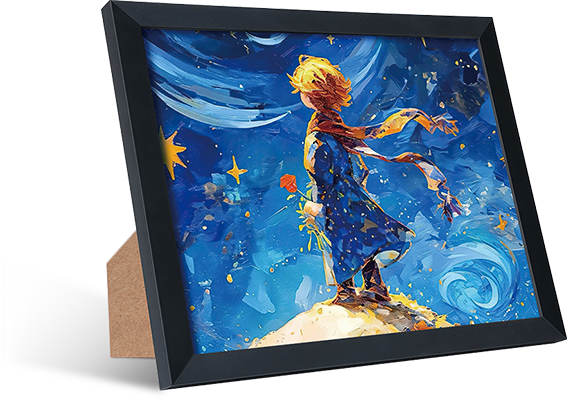
PVC Picture Frame
Sold by brand JinHuan
-
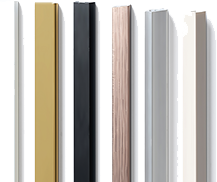
PVC Moulding
Sold by brand JinHuan
-
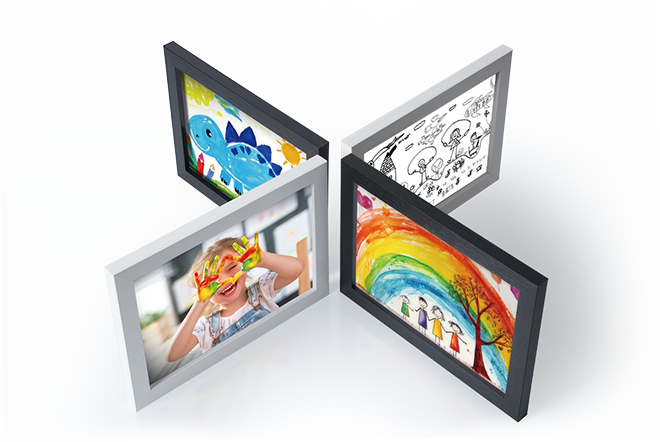
MDF Picture Frame
Sold by brand JinHuan
-
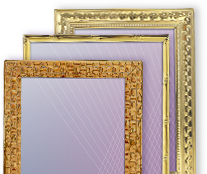
Iron Photo Frame
Sold by brand JinHuan
-
Plastic Injection Frame
Sold by brand JinHuan

-
Mirror
Sold by brand JinHuan
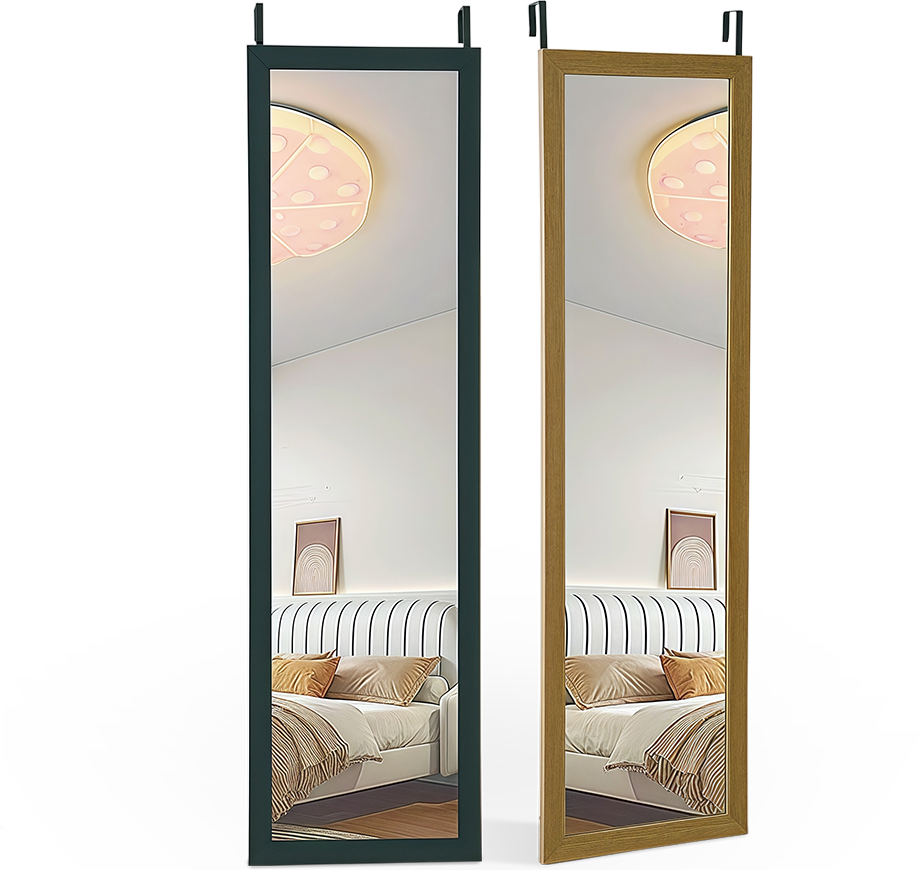
-
Glass Picture Frame
Sold by brand JinHuan
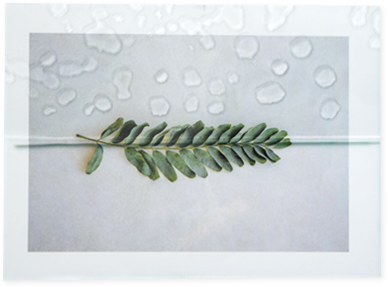
-
PS Picture Frame
Sold by brand JinHuan
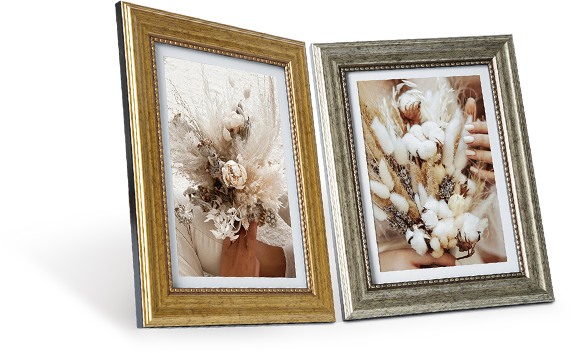
-
Solid Wood Picture Frame
Sold by brand JinHuan
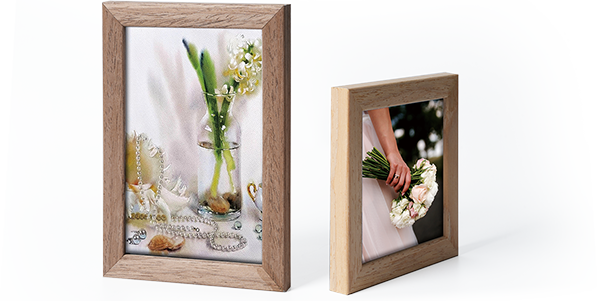
-
Aluminum Alloy Picture Frame.
Sold by brand JinHuan
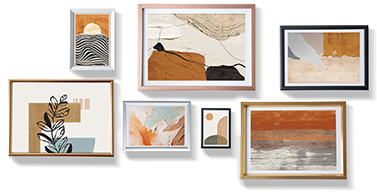
What Are the Options and Materials for Wall Picture Frames?

Jinhuan's professional manufacturing solutions empower your premium product production.
Wall picture frames are essential elements in interior decoration, serving both functional and aesthetic purposes. They protect artwork, photographs, or certificates while complementing the surrounding decor. Choosing the right frame involves understanding the different types, materials, styles, and sizes available. This ensures that the selected frame enhances the visual appeal of the piece and integrates well into the space.

What Are the Different Types of Wall Picture Frames?
Wall picture frames are available in a variety of materials, styles, and sizes, each suited to specific types of artwork and interior design themes.
|
Frame Type |
Description |
Typical Use |
|
Wood Frames |
Made from hardwood or softwood, stained, painted, or varnished |
Traditional art, family photos, certificates |
|
Metal Frames |
Aluminum or steel with polished, brushed, or painted finishes |
Modern, minimalist, or office decor |
|
Plastic or Acrylic Frames |
Lightweight, often molded with various finishes |
Casual photos, children's artwork |
|
Composite Frames |
Engineered materials combining wood or resin for durability |
Affordable option, versatile style |
|
Floating Frames |
Artwork appears suspended between two panes of glass or acrylic |
Modern art, minimalistic decor |
|
Shadow Box Frames |
Deep frames allowing display of objects or layered artwork |
Memorabilia, 3D art, collections |
|
Multi-Opening Frames |
Contain several openings for multiple photos or art pieces |
Collages, family galleries |
Styles and Sizes
- Traditional: Ornate wood or gilded frames with detailed carvings
- Contemporary: Clean lines, minimal ornamentation, often metal or matte wood
- Rustic or Vintage: Distressed wood, reclaimed materials for a homey or antique look
- Large vs. Small Frames: Sizes vary from small 4x6-inch photo frames to oversized art frames exceeding 30x40 inches
These variations allow consumers to match frames to the style of the artwork and the room. Frames can serve as subtle accents or as prominent design elements, depending on size, style, and material choice.
What Are the Best Materials for Wall Picture Frames?
Natural Materials
Wood
Wood is one of the most traditional materials used for picture frames. It offers durability, ease of customization, and a range of finishes from light natural tones to dark stains. Wood frames can be carved or shaped for intricate designs, making them suitable for both classical and rustic interiors.
Metal
Metal frames, typically aluminum or steel, are known for their strength and sleek appearance. They are corrosion-resistant, lightweight, and easy to maintain. Metal frames are often used for modern art, photography, and office settings because of their minimalist look.
Glass and Acrylic Accents
Some frames incorporate glass or acrylic elements, not just as the protective cover, but as part of the frame design. These materials enhance visibility, reduce glare, and create a sense of depth, particularly in floating or layered designs.
Engineered Materials
Composite Materials
Engineered wood, MDF, or resin-based frames are common for affordability and versatility. These frames can mimic the appearance of natural wood or metal and often come pre-finished. They are suitable for casual home decor or large-format artwork.
Plastic
Plastic frames are lightweight, low-cost, and available in numerous colors and shapes. While not as durable as wood or metal, they are suitable for children's rooms, temporary displays, or spaces where frequent handling occurs.
Hybrid Designs
Many modern frames combine materials, such as wood and metal or acrylic and composite, to achieve durability, aesthetic flexibility, and functional performance. These hybrid options allow for customized finishes and unique visual effects.
Material choice affects the frame's longevity, ease of maintenance, and compatibility with the artwork. Wood and metal are preferred for long-term display, while composite and plastic materials provide practical solutions for cost-effective or lightweight applications.
Your email address will not be published. Required fields are marked *
China Picture Frames Online Factory
Copyright © JinHuan Art & Craft Products Co., Ltd. All Rights Reserved.
