

 English
 Español
 日本語
日本語 عربى
عربى русский
-
PVC Picture Frame
Sold by brand JinHuan

-
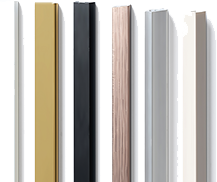
PVC Moulding
Sold by brand JinHuan
-
MDF Picture Frame
Sold by brand JinHuan

-
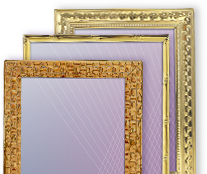
Iron Photo Frame
Sold by brand JinHuan
-
Plastic Injection Frame
Sold by brand JinHuan

-
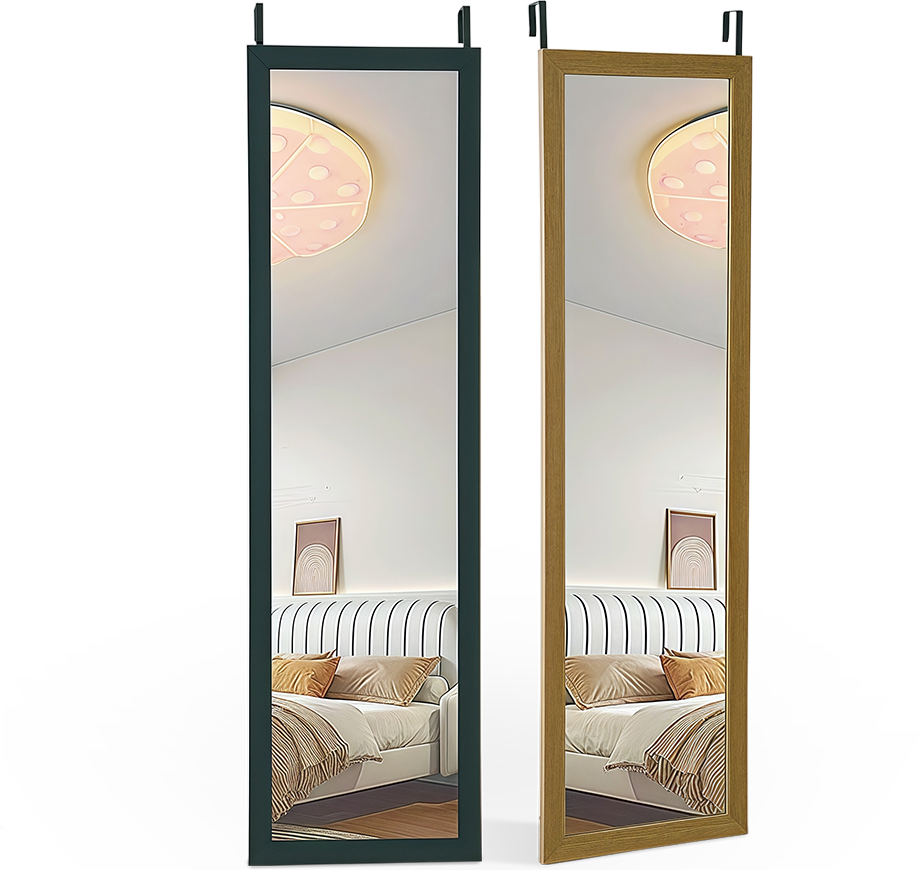
Mirror
Sold by brand JinHuan
-
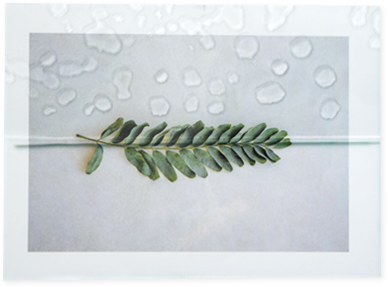
Glass Picture Frame
Sold by brand JinHuan
-
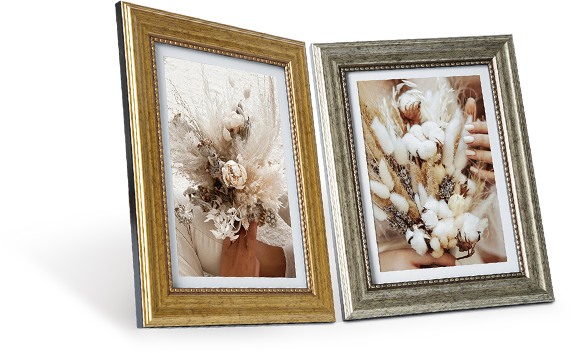
PS Picture Frame
Sold by brand JinHuan
-
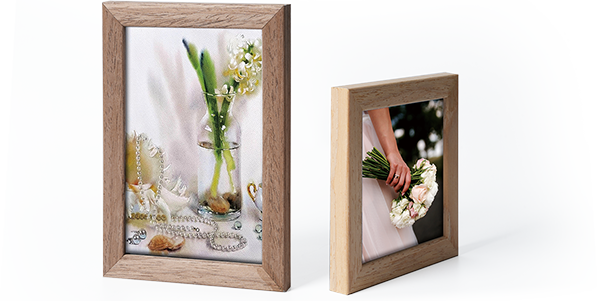
Solid Wood Picture Frame
Sold by brand JinHuan
-
Aluminum Alloy Picture Frame.
Sold by brand JinHuan

How to Select, Hang, and Maintain Solid Wood Photo Frames

Jinhuan's professional manufacturing solutions empower your premium product production.
Solid wood photo frames are popular for their durability, natural appearance, and classic aesthetic. They provide sturdy protection for photographs and artwork while complementing home or office interiors. Choosing the right wood type, proper hanging methods, decor coordination, and maintenance practices are key to maximizing both function and visual appeal.
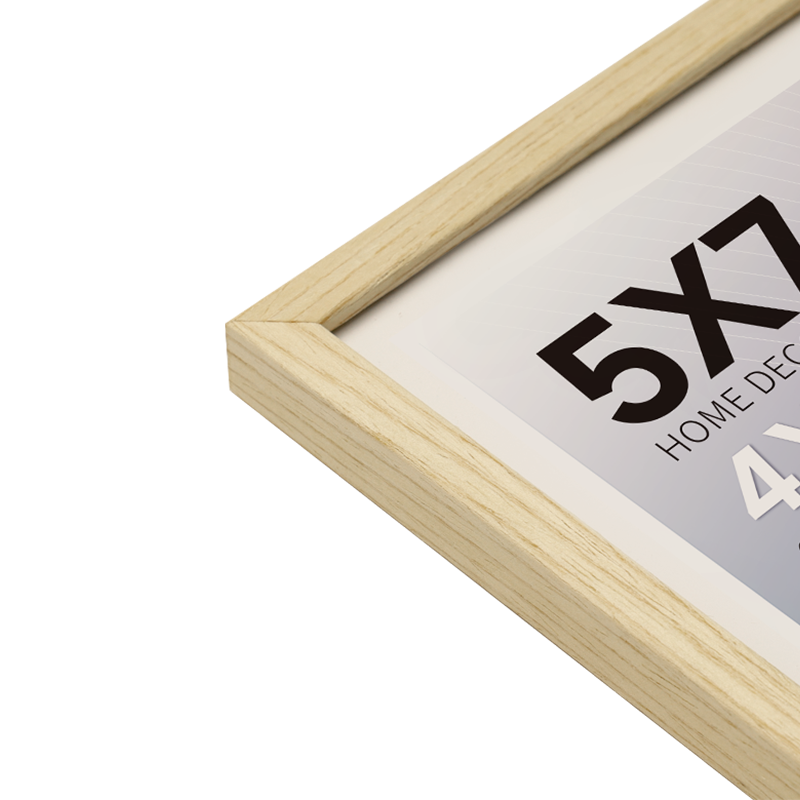
Which Types of Wood Are Best for Solid Wood Photo Frames?
Oak
Oak is a dense hardwood known for its strength and fine grain. It is commonly used for traditional or rustic-style frames. Oak frames can be stained or left natural to highlight the wood grain, providing a warm and stable appearance.
Maple
Maple is a light-colored hardwood with a smooth texture and minimal grain patterns. Its neutral appearance allows for versatile finishes, making it suitable for modern or minimalist interiors. Maple frames are also durable and resistant to warping over time.
Walnut
Walnut is a darker hardwood with rich brown tones and pronounced grain. Walnut frames are often chosen for elegant or classic decor. They provide a sense of depth and sophistication while remaining strong and stable.
Cherry
Cherry wood frames feature reddish-brown hues that deepen over time. This wood is moderately hard, easy to finish, and commonly used for traditional or transitional interior styles. Its warm tones complement artwork and photographs with neutral or earthy colors.
Pine
Pine is a softwood that is lightweight and easy to work with. Pine frames are often used for casual, cottage, or rustic decor. Although softer than hardwoods, pine can be painted or stained to mimic other wood types.
How to Hang a Solid Wood Photo Frame on the Wall
Hanging a solid wood frame requires proper hardware and measurement to ensure stability and correct placement.
|
Step |
Instruction |
Notes |
|
1 |
Measure and mark |
Determine desired height and alignment using a tape measure and pencil |
|
2 |
Select hardware |
Use D-rings, sawtooth hangers, or wall anchors appropriate for the frame weight |
|
3 |
Drill pilot holes |
For heavy frames, drill pilot holes for screws to prevent splitting |
|
4 |
Attach hardware |
Secure D-rings or sawtooth hangers to the back of the frame |
|
5 |
Install wall anchors or hooks |
Use anchors for drywall to support weight; otherwise, screws or nails may suffice |
|
6 |
Hang and level |
Position the frame on the hooks and use a level to ensure it is straight |
Proper hanging techniques reduce the risk of the frame falling and prevent damage to both the wall and the frame.
How to Match a Solid Wood Photo Frame with the Room's Decor
Consider Room Color Scheme
Select frame finishes that complement wall colors and furniture tones. Light wood frames suit neutral or pastel rooms, while darker frames work with deeper or contrasting tones.
Style Coordination
Match frame style with room design. Traditional rooms pair well with ornate or carved frames, while modern spaces favor simple, clean-lined frames.
Texture and Material
Ensure the wood grain or finish aligns with other wooden elements in the room, such as tables, shelves, or flooring, for visual consistency.
Size and Proportion
Choose frame sizes proportionate to the wall space and artwork dimensions. Oversized frames may dominate a small room, while small frames can appear lost on large walls.
Grouping and Arrangement
Consider grouping multiple frames of similar wood tones for gallery walls. Varying frame sizes can create visual interest without disrupting harmony.
How to Repair Damaged Solid Wood Photo Frames
Repairing a solid wood frame depends on the type of damage:
- Scratches or Surface Marks
Lightly sand the affected area, then apply a matching wood stain or polish to restore the finish.
- Cracks or Splits
Fill small cracks with wood filler or glue. Clamp the frame until dry to maintain alignment. Sand and refinish as needed.
- Loose Joints
Apply wood glue to corners or joints, then clamp or use corner braces until the adhesive sets. This restores stability.
- Chipped Edges
Minor chips can be filled with wood putty or a color-matched wax repair stick. For severe damage, a small wood veneer patch can be applied and stained to blend with the frame.
Regular maintenance, such as dusting and avoiding direct sunlight or high humidity, helps prevent damage and prolongs the life of solid wood photo frames.
Your email address will not be published. Required fields are marked *
China Picture Frames Online Factory
Copyright © JinHuan Art & Craft Products Co., Ltd. All Rights Reserved.
