

 English
 Español
 日本語
日本語 عربى
عربى русский
-
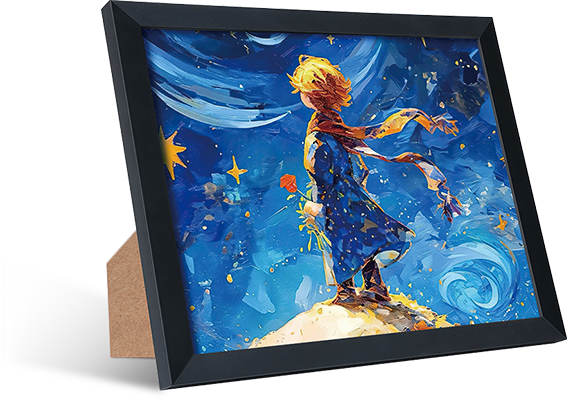
PVC Picture Frame
Sold by brand JinHuan
-
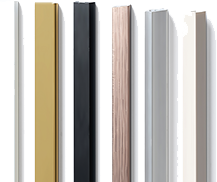
PVC Moulding
Sold by brand JinHuan
-
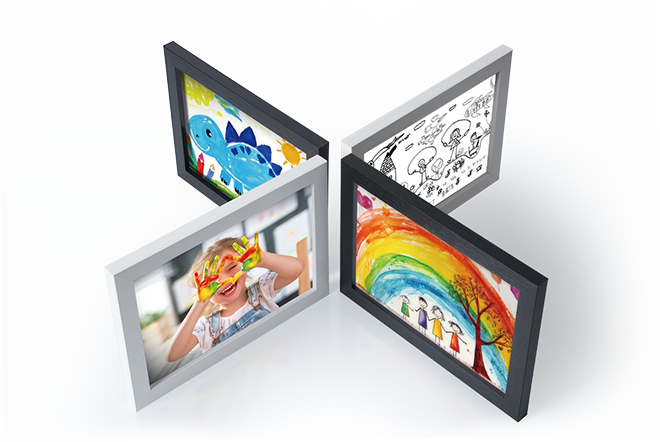
MDF Picture Frame
Sold by brand JinHuan
-
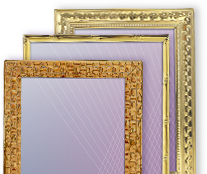
Iron Photo Frame
Sold by brand JinHuan
-
Plastic Injection Frame
Sold by brand JinHuan
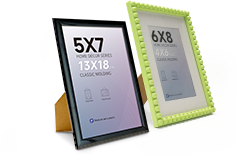
-
Mirror
Sold by brand JinHuan
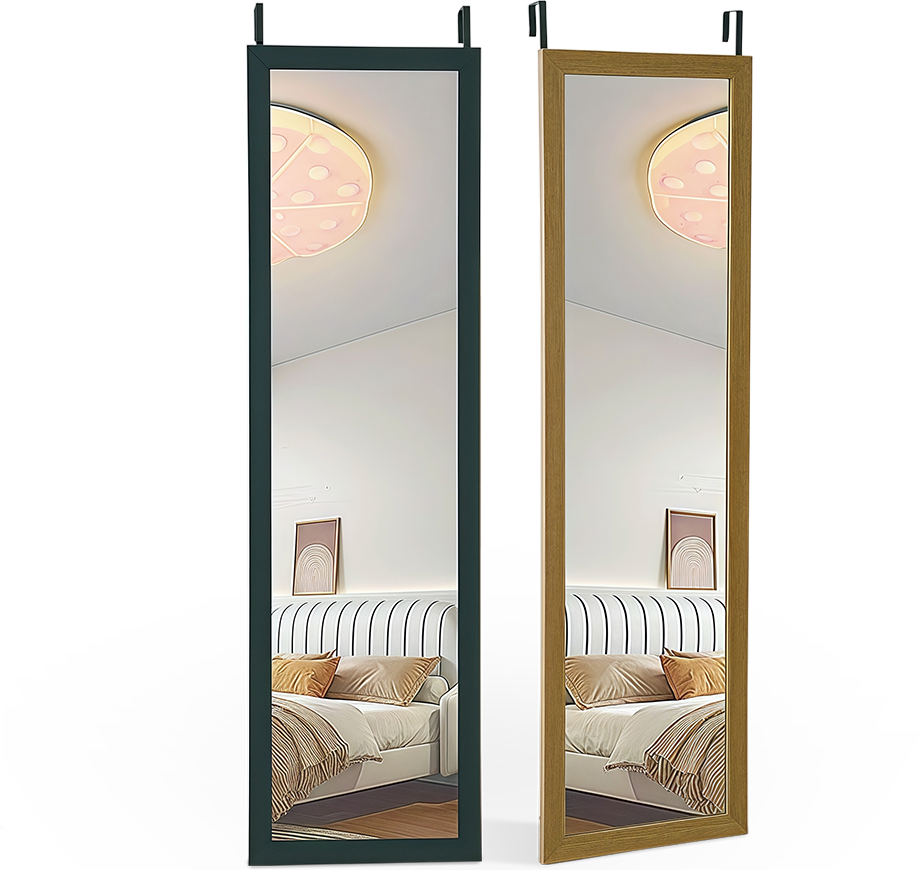
-
Glass Picture Frame
Sold by brand JinHuan
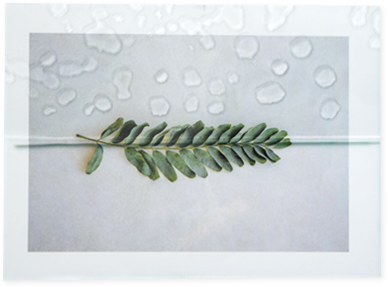
-
PS Picture Frame
Sold by brand JinHuan
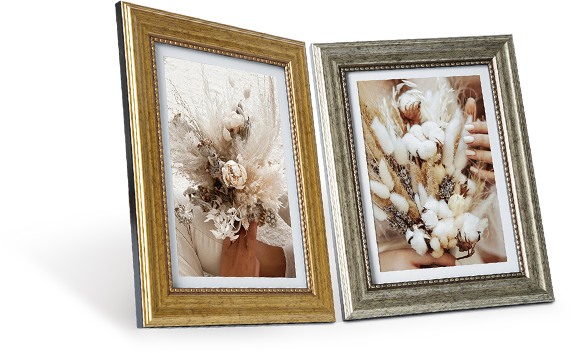
-
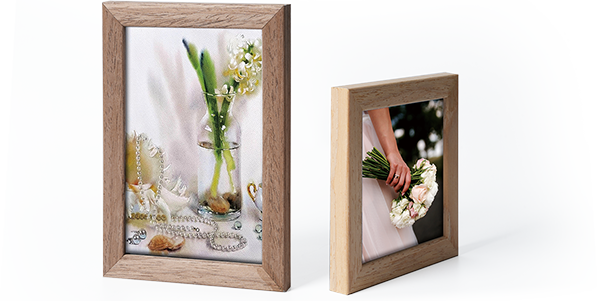
Solid Wood Picture Frame
Sold by brand JinHuan
-
Aluminum Alloy Picture Frame.
Sold by brand JinHuan
The Aluminum Frame: A Practical Guide to Choosing Photo Frames

Jinhuan's professional manufacturing solutions empower your premium product production.
How to Choose the Right Aluminum Alloy Photo Frame
Selecting a frame involves matching the frame's characteristics to the room, the art, and the conditions it will face. Several practical considerations guide this choice.
Consider the Room Environment
The location where the frame will be placed is a primary factor. For rooms with high humidity, such as bathrooms or kitchens, aluminum's resistance to moisture is a distinct advantage over wood, which can absorb moisture and warp. In areas with direct sunlight, such as near a window, the frame's finish becomes important. Powder-coated aluminum frames are generally more resistant to fading from UV exposure than anodized finishes, though both are more stable than many painted wood frames. For outdoor or covered patio use, only frames specifically designed for exterior use, with appropriate weather-resistant finishes and sealed backs, should be considered.
Match the Frame Style to the Decor
Aluminum frames are available in a range of profiles and finishes that suit different interior design styles. For modern, minimalist, or industrial interiors, a sleek, narrow-profile frame with a brushed or matte metallic finish can complement the clean lines of the space. For more traditional settings, some aluminum frames are designed with more ornate profiles or are finished to mimic the look of aged metals or even wood grain. The color of the frame should be chosen to either contrast with or complement the wall color and the tones within the artwork itself. Neutral colors like silver, black, and white offer the most versatility.
Assess the Artwork and Mounting Needs
The weight and size of the artwork influence the required frame strength. Aluminum is inherently strong for its weight, making it a good choice for larger pieces where a wood frame of equivalent strength would be significantly heavier. For heavy pieces, ensure the frame has a robust backing and hanging hardware rated for the total weight. Consider also the glazing—the glass or acrylic front. Aluminum frames can accommodate standard glass, but for larger frames, the combined weight may be considerable, and lightweight acrylic might be a practical alternative to reduce wall load.
Evaluate the Finish and Construction
The two most common finishes for aluminum frames are anodizing and powder coating. Anodizing is an electrochemical process that thickens the natural oxide layer on the aluminum, creating a durable, corrosion-resistant surface. It maintains the metallic look of the aluminum. Powder coating involves applying a dry powder that is then baked onto the surface, creating a colored, textured, or gloss finish. Powder coating offers a wider range of color options and is generally very durable. Inspect the corners of the frame; well-constructed frames have tightly mitered corners with no visible gaps, indicating quality assembly.
Different Types of Aluminum Alloys Used in Photo Frames
The mechanical properties and finishing characteristics of an aluminum frame are determined by the specific alloy used in its extrusion. While the end user may not see the alloy designation, it influences the frame's durability and suitability.
6000 Series Alloys (Aluminum-Magnesium-Silicon): This is the most common series for extruded aluminum profiles, including those used for picture frames. Alloy 6063 is particularly prevalent, often referred to as "architectural aluminum." It offers a good balance of strength, corrosion resistance, and an excellent surface finish, which makes it ideal for anodizing. It is easily extruded into the complex hollow shapes often required for frame profiles that hold glass, matting, and backing. Alloy 6061 is slightly stronger than 6063 and may be used for heavier-duty or larger frames where additional structural rigidity is needed. It can also be anodized or powder-coated effectively.
1000 Series Alloys (Commercially Pure Aluminum): These alloys, such as 1050 or 1060, are very soft and ductile with excellent corrosion resistance. They are less commonly used for the main structural profiles of frames because they lack the strength of the 6000 series. However, they might be found in very simple, thin, formed sections or in decorative trim components where high formability is required.
5000 Series Alloys (Aluminum-Magnesium): These alloys have good strength and excellent corrosion resistance, particularly in marine environments. They are less common in standard picture frame extrusions but may be used in specialty frames designed for outdoor or high-humidity applications where maximum corrosion resistance is desired.
7000 Series Alloys (Aluminum-Zinc): These are high-strength alloys used in aerospace and other demanding structural applications. They are not typically used for standard picture frames due to their higher cost and the fact that the strength is unnecessary for this application.
Surface Finish Considerations: The alloy choice affects the final appearance. Alloys like 6063, with low iron content, are preferred for bright anodized finishes because they yield a clearer, more consistent color. Alloys with higher silicon content may anodize to a slightly grayish tone. For powder coating, the alloy is less critical as the coating provides the color and surface texture, though proper surface preparation, such as a chromate conversion coating, is often applied to the aluminum before powder coating to ensure adhesion and corrosion resistance.
Disadvantages of Using Aluminum Alloy Photo Frames
While aluminum frames offer many benefits, they also have certain limitations that should be considered when making a selection. These disadvantages are not universal but may be relevant depending on the user's preferences and the specific application.
- Aesthetic Limitations: Aluminum frames are predominantly associated with modern and contemporary design. For those seeking a traditional, ornate, or highly decorative look, a wood frame with carved details and gilded finishes may be more appropriate. Although some aluminum frames are finished to simulate wood, the texture and depth often do not perfectly replicate natural wood grain. The material has a certain inherent coolness that may not suit all interior styles.
- Thermal Conductivity: Aluminum is an excellent conductor of heat. In a climate-controlled indoor environment, this is generally not a concern. However, if a frame is placed on a wall that experiences significant temperature fluctuations, such as near an exterior door or a poorly insulated wall, the frame may feel cold to the touch. More importantly, if the frame is used outdoors or in an unheated space, the metal can become very hot in direct sunlight or very cold in winter, which could affect the stability of the artwork inside if the frame lacks proper insulation.
- Potential for Dents and Scratches: While aluminum is strong for its weight, it is not as hard as steel. The exposed surfaces of an aluminum frame can be dented or scratched if struck with sufficient force. Depending on the finish, scratches may be more or less visible. On a brushed or textured finish, minor abrasions may blend in, while on a high-gloss or polished finish, they will be readily apparent. Deep scratches that penetrate the anodized layer or powder coating can expose the bare metal underneath.
- Cost Relative to Other Materials: While not always the case, a well-made aluminum frame with a quality anodized or powder-coated finish can be more expensive than a basic plastic or MDF (medium-density fiberboard) frame. The extrusion process and the finishing steps add to the manufacturing cost. For budget-conscious projects, particularly for temporary displays or large quantities of inexpensive frames, other materials may be more cost-effective.
- Perceived Value or Warmth: Some individuals simply prefer the look and feel of natural materials like wood. Wood has a warmth and organic variation that metal lacks. An aluminum frame, while modern and clean, may be perceived as less "warm" or inviting in certain settings, such as a cozy living room filled with antique furniture. This is a subjective but valid consideration.
- Recyclability and Environmental Impact: While aluminum is highly recyclable, the production of new aluminum from ore is energy-intensive. However, many aluminum extrusions now contain a significant percentage of recycled content. For the environmentally conscious consumer, it is worth investigating the source and recycled content of the frame, as this varies by manufacturer.
Your email address will not be published. Required fields are marked *
China Picture Frames Online Factory
Copyright © JinHuan Art & Craft Products Co., Ltd. All Rights Reserved.
